Why Middle East Stability Matters to Global Trade
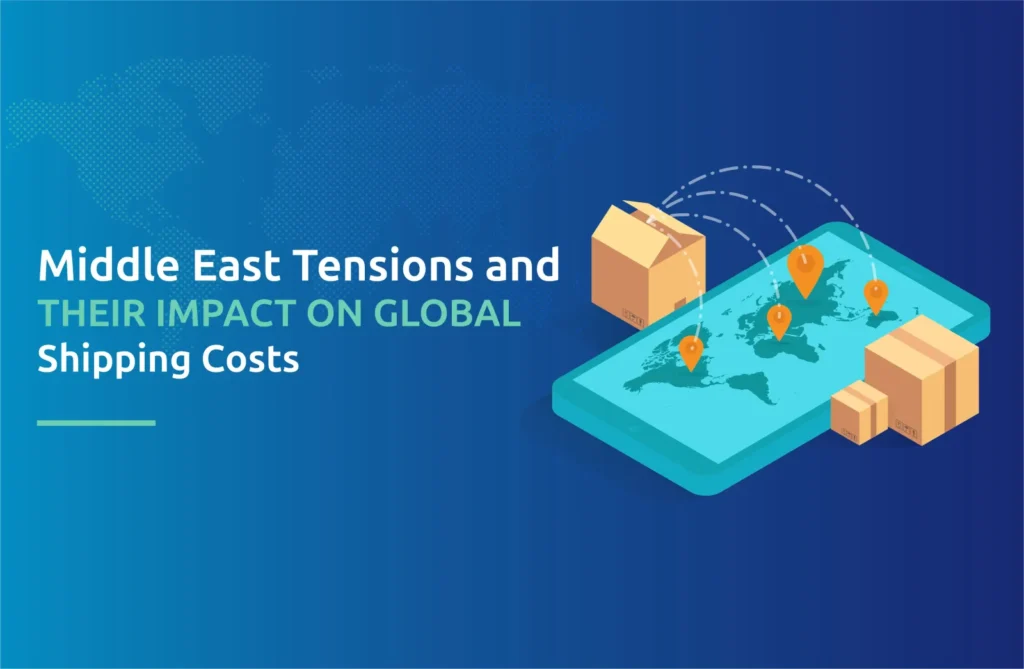
The Middle East is really important for commerce. It is like a bridge that connects markets in Asia, Europe and Africa. The Middle East has shipping routes where lots of things like raw materials, industrial equipment, electronics, automotive components, and medical supplies move through the region’s key maritime routes. Because the Middle East is in a location any problems there can quickly cause issues with trade all around the world. This makes it hard for companies that need to move things across borders. The Middle East is a place for trade and it needs to be stable so that businesses can keep operating smoothly. The Middle East plays a role in making sure that trade, between countries runs well.
The Middle East is a place where a lot of countries do not get along. This makes it hard for ships to move things around the world. It costs money to ship things because it is not safe. Companies have to pay more for insurance. It takes longer to get things from one place to another. Industries such as IT, aviation, medical equipment, and automotive manufacturing they need to get parts and products on time. When things are not sure, in the shipping business companies have to change how they do things to keep costs down and make sure they have what they need. They have to keep running even when the world is changing. The Middle East and its problems affect shipping costs and supply chain performance.
Why the Middle East Remains the Backbone of Global Trade Routes
The Middle East is really important for trade. It connects Asia, Europe and Africa. The Strait of Hormuz is a passage for ships for a lot of the worlds energy and goods move through it and this not only includes oil, gas but also other important products like electronics and avitaion and medical healthcare equipment. The Middle East helps move these goods from one place to another but when problems happen in this region it can affect how goods are delivered everywhere. The Middle East plays a role in global commerce.
A delay or restriction in one shipping corridor often makes carriers change their route. This increases how long it takes to ship how fuel they use, insurance costs and how much they charge for shipping. As a result businesses in the IT, aviation automotive sectors can have more expensive transportation and supply chain problems. This happens even when their shipments are not directly moving through the area.
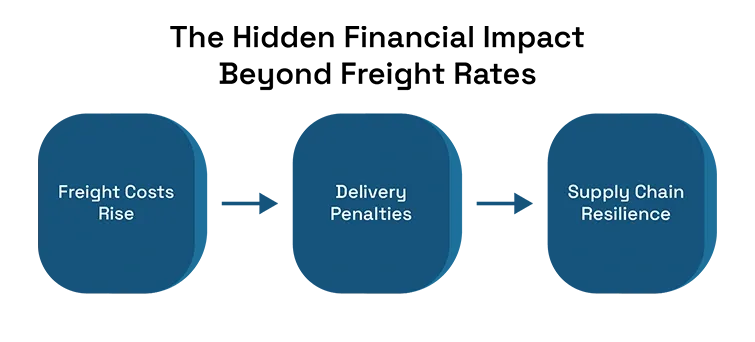
The Hidden Financial Impact Beyond Freight Rates
When freight rates go up companies usually talk about that during times of trouble around the world. Many companies do not think about the other costs that can affect how much money they make. Shipping is often late when trade routes are disrupted. This means companies have to hold stock so they do not run out. They have to pay more to keep this stock. It also takes longer to get things from one place to another. This means companies have to pay more for warehouses. When ports are busy companies have to pay fees for keeping their things there too long.
Businesses can get in trouble if they do not deliver things on time. They may have to pay penalties for this. These extra costs can add up without businesses noticing. This is why managing risks and making the supply chain is so important for businesses.
Technology-Driven Resilience in Modern Supply Chains
Technology is really important for businesses when it comes to dealing with problems in trade and shipping. These days companies use digital platforms to keep an eye on their shipments in real time. This means they can see where their cargo is and do something about it if there are any delays because of changes in the route or things that are happening in the world. Technology like analytics is also very useful. It helps businesses figure out what might go wrong and make decisions about how to move their stuff around. This makes the whole supply chain work better.
At the same time, companies use systems that manage inventory and orders together. This helps businesses have the amount of stock and have to deal with unexpected problems. Companies are also using software that are designed to follow import and export rules. This software helps with paperwork and this helps to getting through customs. It also helps companies follow the rules in markets. Companies can make their supply chains better by using data to make decisions and by automating some tasks. Companies can build agile supply chains and more resilient supply chains and more efficient supply chains by combining data-driven insights, with automation tools and visibility tools.

Building Resilience in an Uncertain Trade Environment
To deal with the problems that are happening now with countries and the increasing costs of shipping companies who import and export need to be prepared to manage risks. If importers and exporters have places to get materials then they will not have to rely on just one place. Importers and exporters can also use to move around which helps when the usual routes are blocked. Importers and exporters should also regularly check for problems that might occur so they can find weaknesses before they cause trouble.
So when you work with people who’re good at Importer of Record Services and you also use exporter of record services it can make it easier to follow the rules when you are doing business across borders. This helps make sure that your business can keep running. If you do this and you also make your supply chain better and manage your inventory and orders well then your business can handle changes, in the market. You will have a business that can work well all around the world.
Conclusion
As we go into 2026 and the years after that the way companies handle their supply chains will be affected by politics and trade rules that are changing all the time and where manufacturing are made around the world. Companies will want to make sure they are not relying much on just one place for the things they need so they will try to find suppliers in different areas. This is called supplier diversification. It helps companies be more flexible and able to deal with problems. At the time companies will spend more money on supply chain digitization and being able to see where their shipments are in real time. They will also use analytics and advanced systems to manage their inventory and orders. This will help them have control when things do not go as planned with their supply chains.
Businesses in the IT, aviation, medical, and automotive sectors are changing the way they move things around. They want to be able to respond when things change in the market or when there are problems with getting things from one place to another. The people in charge of these companies are not just trying to save money. Companies want to be strong so they can handle problems. Companies need to keep working when things get tough. This is what companies are trying to do. They want their companies to be strong and keep going. Companies have to be able to handle times and still work. This is because the world of trade is getting more complicated
DID YOU KNOW
“Air cargo operations connecting the Indian subcontinent and Asia to Europe and North America have been heavily pressured, causing rates to increase up to 2-3x on specific lanes due to supply-demand imbalances.”
FAQS
1. How much have freight rates increased due to the crisis?
When it comes to shipping from Asia to Europe the prices, for exporting have often gone up two or three times what they normally are bad compared to what they usually cost.
2. How much extra time does bypassing the Suez Canal add?
Going around Africas Cape of Good Hope takes about 10 to 14 days and it is about 4,000 miles longer, for a one way trip.
3. What are “War Risk Surcharges” and who pays them?
War Risk Surcharges are fees that shipping companies charge when they have to pay a lot more for insurance. The companies who send the ships have to pay these fees.
4. Does this crisis affect routes that do not cross the Middle East?
Yes, the thing is that ships are stuck on trips and that means there are not enough ships to go around. This is a problem because it gets really expensive to ship things on other routes like the one that goes across the Pacific Ocean.
5. Are consumer prices impacted by these shipping delays?
Yes when ships are delayed for a time it eventually means that we have to pay more money for equipment that come from other countries like electronics and medical equipment.