Logistics has changed a lot in recent years. It is no longer only about transporting goods from one place to another. Today, it focuses on speed, accuracy, & smooth operations across the whole supply chain. As businesses develop globally, covering shipments, inventory, & deliveries has become more difficult. To handle this, companies are using smart tools & automated systems that help improve planning, minimize delays, & increase usability. These technologies also make it easier to track goods, cover large volumes, & provide better service to customers, making logistics more easy & organized than ever before.
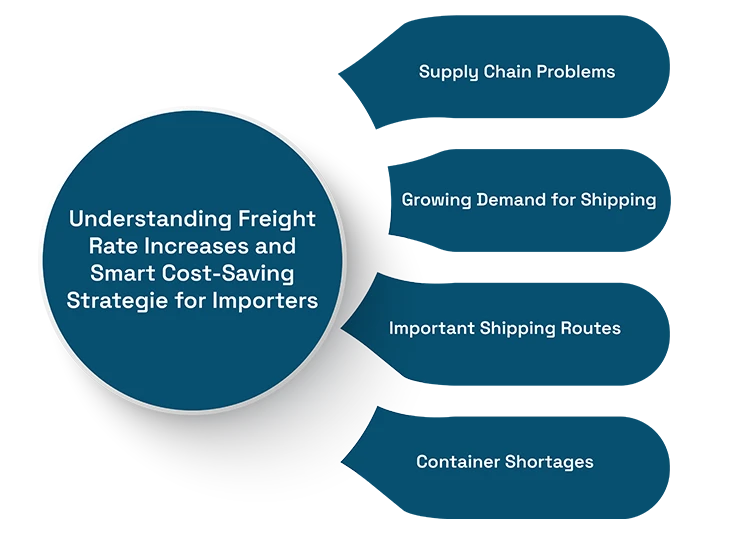
Understanding Freight Rate Increases and Smart Cost-Saving Strategies for Importers
Supply Chain Problems
Shipping routes can also change because of safety concerns or political issues. Disruptions near the Red Sea have forced some shipping companies to use longer routes. Longer routes increase travel time. They also minimize the number of ships available for regular shipping schedules. This often leads to higher freight prices.
Growing Demand for Shipping
Demand for global shipping is also growing. Global trade continues to grow. Many companies are shipping more goods across borders. Online shopping & global manufacturing have increased the need for international transportation. Because of this, demand for containers & shipping space is higher. However, during busy periods, container space can still become limited. When this happens, freight rates often increase.
Important Shipping Routes
Some shipping routes are very important for global trade. The Panama Canal connects major trade routes between Asia & the Americas. Limits on ship traffic there can cause delays. The Suez Canal connects Asia & Europe. A large amount of global cargo passes through this route. If problems occur in these areas, shipping schedules can change, & costs may increase.
Container Shortages
Container supply also affects freight prices. Some countries export more goods than they import. Because of this, empty containers can remain in certain ports while other regions need more containers. Shipping companies must move empty containers to the places where they are needed. This adds extra cost & time. During busy shipping seasons, container shortages can lead to higher freight rates.
How Importers Can Reduce Costs
Importers can take some steps to cover the developing freight rates. Making shipments early is important. Early booking can help businesses secure better shipping rates. Shipment consolidation can also help. This means combining many smaller shipments into one container. It helps companies use container space more easily. Working with experienced freight forwarders can also help businesses find better shipping options.
Key Factors Driving Rising Freight Rates in 2026
Freight rates are expected to rise significantly in 2026 due to a combination of global supply chain disruptions, increasing fuel costs, and ongoing geopolitical uncertainties. Ocean freight prices are being impacted by port congestion, limited container availability, and stricter environmental regulations, while air freight rates continue to climb due to high demand for fast and reliable shipping. Additionally, labor shortages and increased compliance requirements are adding to operational costs across logistics networks. Importers must stay proactive by planning shipments in advance, diversifying transport modes, and working with experienced logistics partners to manage expenses and avoid delays in an increasingly volatile shipping environment.

Conclusion
Freight rates in 2026 show how global shipping is improving. Supply chain problems, container shortages, & challenges at major routes like the Suez Canal & the Panama Canal continue to affect shipping costs. Importers who understand these changes can plan better. Good planning helps businesses control costs & keep their supply chains stable.
Did you know?
Freight rates surge over 200% amid West Asia crisis despite fee waiver
According to exporters and freight forwarders, both air and sea freight rates have risen sharply, with air freight charges increasing by nearly 250-300%.
FAQ
Why are freight rates rising in 2026?
Freight rates are increasing due to supply chain disruptions, port congestion, container shortages, and higher global trade demand. Challenges at major shipping routes and infrastructure limitations have also contributed to increased transportation costs.
How do rising freight rates affect importers?
Higher freight rates increase overall import costs, which can impact product pricing, profit margins, and delivery timelines. Importers may need to adjust logistics strategies to maintain supply chain efficiency and control expenses.
Which global shipping routes influence freight rates the most?
Major trade corridors such as the Suez Canal and the Panama Canal play a critical role in global shipping. Disruptions or congestion in these routes can affect freight capacity and increase shipping costs worldwide.
Can importers reduce the impact of rising freight rates?
Yes, businesses can reduce the impact by planning shipments in advance, consolidating cargo, optimizing container space, and working with experienced freight forwarders to identify efficient shipping routes.
Will freight rates continue to rise in the future?
Freight rates may fluctuate depending on global trade demand, supply chain stability, and shipping capacity. While temporary increases can occur, improved logistics infrastructure and better supply chain management may help stabilize rates over time.