Rising Cargo Insurance Costs Are Reshaping Global Trade
Rising cargo insurance costs are becoming an increasing challenge for global trade. Global conflicts, cargo crime, port delays, shifting shipping routes, or extreme weather are increasing risks for businesses moving goods across borders. As a result, companies are paying higher insurance costs & meeting stronger coverage requirements. Industries such as IT, aviation, healthcare devices, or automotive, which ship valuable equipment, are particularly impacted. To reduce risks & control costs, businesses are improving supply chain visibility, planning shipments more carefully, & using reliable logistics solutions.
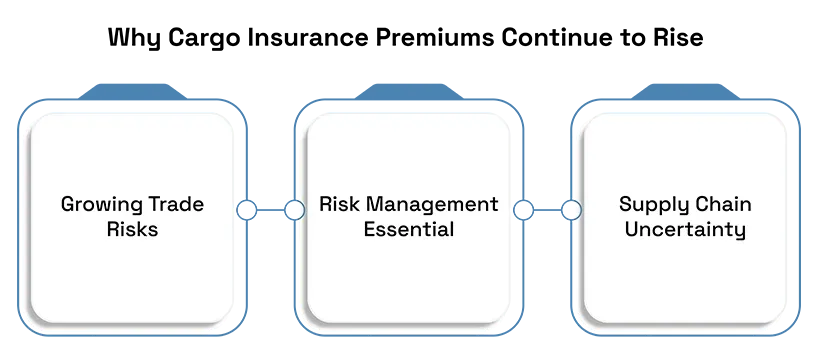
Why Cargo Insurance Premiums Continue to Rise
Cargo insurance is getting more expensive because there are a lot of problems and uncertainties with trade right now. There are wars going on in some areas where a lot of ships travel so insurance companies think these places are very dangerous. This means they are charging extra for war risks and they want rules for what they will cover. At the time ships have to take different routes because of security concerns, which makes the trip longer. This means the cargo is at risk for a time so it is more likely that something will go wrong and there will be delays. Sometimes the whole supply chain gets messed up which is a problem for insurance companies.
The thing is, cargo damage, loss and delay claims are happening more often. This has made insurance companies take a look at the risks they are taking. As a result the cost of insurance is going up for a lot of shipping routes. For businesses moving high-value automotive, aviation, medical, and IT equipment, is becoming a really important part of how they move things around and deal with risks. Cargo insurance is something that these companies really need to think about when they’re coming up with their transportation plans and trying to manage risks.
The Ripple Effect of High-Risk Trade Routes on Global Freight
There are problems with shipping on routes especially in areas where there is a lot of fighting between countries. The Red Sea crisis and other routes that are not safe are making it hard for ships to get from one place to another. Because of this shipping companies have to take routes, which means it takes longer to get to where they are going. This also means they use fuel and have to pay more to run their ships. These changes often mean that shipping companies charge fees people have to pay more for insurance and it is harder to know when things will be delivered.
For companies in the aviation, medical and IT sectors delayed shipments can mess up production schedules. This can also affect how stock they have available. These delays can happen with sea freight, air freight or a combination of both. So it’s crucial for businesses to make their supply chains stronger. They need to find ways to manage risks before they happen. Companies, in these sectors should focus on shipment delays and their supply chains.

High-Value Industries Under Greater Insurance Pressure
Valuable industries such as aviation, healthcare, and IT are facing increased cargo insurance costs due to the shipping of expensive or sensitive equipment. Aviation companies often move aircraft parts & maintenance tools that require secure handling & timely delivery. Healthcare equipment businesses rely on safe shipping of medical devices and diagnostic equipment to avoid delay. Similarly, IT and data center sectors ship servers, networking hardware, and advanced infrastructure with high value and working importance. Rising insurance premiums & stricter coverage requirements are encouraging companies to improve shipment tracking, risk management, and supply chain planning to protect valuable cargo.
Conclusion
Rising cargo insurance costs have become a key factor in global trade planning & supply chain management. Geopolitical tensions, shipping delay, and security risks continue to affect global shipments. Businesses can manage these challenges by improving risk planning, improving supply chain planning, & using better shipment visibility. A proactive approach helps protect valuable cargo, maintain working continuity, and support reliable global trade operations.
DID YOU KNOW
“Escalating geopolitical conflicts (especially in West Asia and the Red Sea) have driven cargo war-risk insurance premiums up by 200% to over 1000%”
Frequently Asked Questions
1. How are cargo war risk premiums calculated?
Cargo war risk premiums are calculated based on factors such as geopolitical conditions, route risks, cargo type, and current security situations. Insurance providers regularly adjust rates according to changing risk levels.
2. What are shipping companies doing to avoid these jumps in insurance costs?
A lot of the shipping companies, like Maersk and Hapag-Lloyd have decided to stop or change their cargo war risk services that go through the Suez Canal and instead go around the Cape of Good Hope.
3. How do the extra surcharges affect shippers?
Carriers pass these expenses on to the shipper as “Emergency Risk Surcharges” or “War Risk Surcharges (WRS)”. These can range from $1,000 to $4,000 per TEU (Twenty-foot Equivalent Unit) depending on the destination and cargo type (e.g., reefers).
4. Are there resources, for Indian exporters dealing with these risks?
Yes there are. The Government of India has set up something to help exporters. They started the Bharat Maritime Insurance Pool. This is to help Indian ships and goods get insurance.
5. Can cargo insurance cover the cost of transit delays caused by rerouting?
No it does not. Regular cargo insurance and war risk policies do not cover delays. They also do not cover losses if goods get delayed or damaged because of rerouting.