As carriers restart some Asia-Europe shipping routes that had been shifted around the Cape of Good Hope, container ships are slowly making a path back to the Suez Canal. The Asia-Europe trade route now has more capacity available because to this change, which already has resulted in reduced freight costs on multiple routes. The recovery is not a full return to normal, though; it is still selected. Supply chain planning, port congestion, freight costs, delivery times, & cargo capacity can all be affected by changes in shipping routes. Red Sea security conditions will also remain an important factor in carrier routing decisions.
Why the Suez Canal Matters for Asia-Europe Trade
Because it connects the Red Sea and the Mediterranean Sea, the Suez Canal serves an important part in the trade route between Asia and Europe. It gives ships a faster route between Asia & Europe than going around the Cape of Good Hope. The Suez Canal Authority states that container ship traffic grew by 54.2% from 46.7 million tons in 2025 to 72.1 million total tons in 2026. The shorter route can reduce shipping times and improve ship rotations and container supply for container shipping between Asia and Europe. As a result, the Suez Canal shipping route is a major international shipping route for both Europe-Asia and Asia-Europe container traffic. Longer routes around Africa may increase the time that ships and containers are in transit when they avoid Suez.
Why Are Container Ships Returning to the Suez Canal?
Carriers Are Restoring Selected Suez Services
Carriers are gradually bringing some Asia-Europe shipping services back through the Suez Canal instead of using the longer Cape of Good Hope route. The change is happening service by service, as carriers check current shipping conditions, costs and security risks.
Longer Cape Routes Are Using More Vessel Capacity
Carriers are slowly returning some maritime services from Asia to Europe via the Suez Canal rather than the longer Cape of Good Hope route. As carriers review current shipping situations, rates, & security issues, the change is happening service by service.
Congestion in Asian Ports Is Changing Carrier Decisions
Carrier decisions are also affected by port congestion in Asia. Congestion is projected at 4.3 million TEU based on recent industry data.
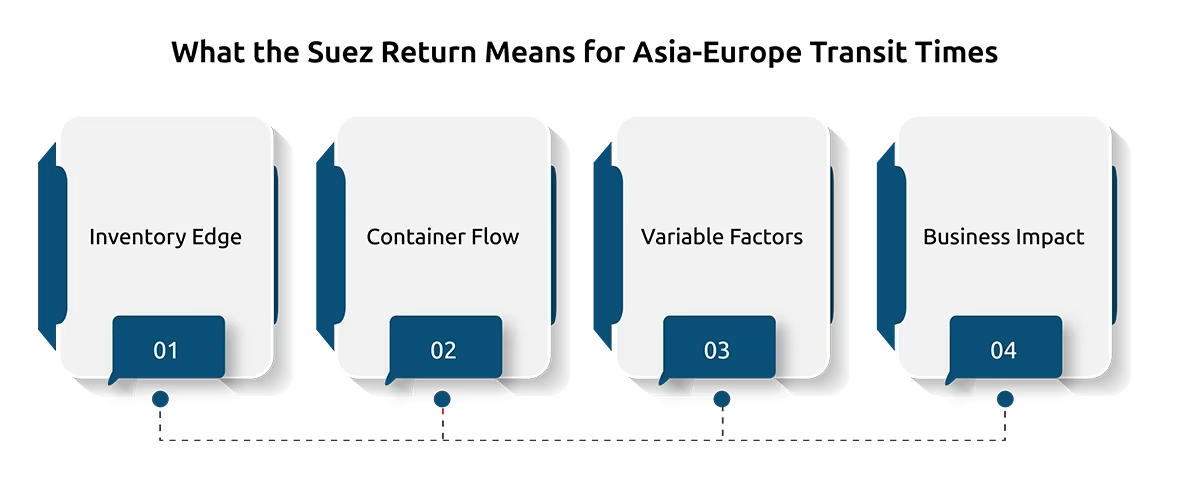
What the Suez Return Means for Asia-Europe Transit Times
Shipping routes between Asia and Europe can be shorter when container ships return to the Suez Canal rather than taking the longer transit across the Cape of Good Hope. While ships that use the Cape route transit southern Africa, ships using Suez cross the Red Sea & Mediterranean before reaching in Europe. Ships can complete their shifts faster by using the shorter Suez route, which can reduce traveling time. For businesses, shorter transit times can support better inventory planning, production schedules, warehouse planning and customer delivery dates. It can also improve container availability because ships and containers spend less time at sea. Actual transit times will still depend on the carrier, port congestion, port calls and the route used for each service.
How Suez Returns Could Affect Asia-Europe Freight Rates
Compared to the longer Cape of Good Hope route, ships that return to the Suez Canal may improve effective capacity on Asia-Europe routes because they spend lesser time at sea. More available capacity can increase competition for cargo and put pressure on Asia-Europe freight rates. In 2026, Shanghai-Genoa rates fell 10% to US$4,368 per 40ft container, while Shanghai-Rotterdam rates fell 5% to US$4,092. Lower prices, however, are not certain. Shipping costs can still be affected by port congestion, peak times, blank ships, fuel prices, safety risks, cargo capacity, and equipment availability. Additionally, Asian port congestion was calculated to be 4.3 million TEU, which put extra pressure on the market.
Suez Return and Global Container Shipping Capacity
The return of container ships to Suez can improve vessel utilization because ships spend less time on the shorter route than on the Cape of Good Hope route. This can increase available container capacity and allow carriers to adjust vessel rotations and fleet deployment on Asia-Europe services. It may also improve container equipment circulation as ships and containers return to Asian ports sooner. When need, traffic, or safety issues require it, airlines may still use blank ships or change schedules. Whenever looked at, the Suez return can increase Asia-Europe service levels without requiring a major growth of the global fleet.
Red Sea Security Still Matters for Suez Shipping
The return of container ships to the Suez Canal is still gradual because Red Sea security concerns remain. Carriers are reviewing each route based on safety, war-risk insurance, vessel conditions and their own carrier risk assessments. Some services may use Suez while others continue around the Cape of Good Hope. If conditions change, carriers can make route changes or use temporary diversions, creating operational uncertainty for shippers. Companies should therefore keep checking carrier advisories before planning shipments, as current services can still be changed when security conditions deteriorate.
Conclusion – What the Return to Suez Means for Asia-Europe Trade
The return of container ships to the Suez Canal is changing Asia-Europe container shipping. The shorter route can reduce voyage time, improve effective vessel capacity and may put some pressure on freight rates. It can also change vessel and cargo flows at Asian and European ports. Shipping routes and times may still be affected by port congestion and Red Sea security issues. Instead of assuming that every Asia-Europe service is back to Suez, shippers should check real carrier routes and service changes.
Did You Know
In 2025, approximately 19.6 million TEUs will be transported from Asia to Europe—representing 10.3% of all global container movements.
FAQ
What does the Suez return mean for Asia-Europe supply chains?
Businesses may need to change their supply chain planning because it can change arrival patterns, freight costs, transit times, and ship capacity.
What should shippers check before using a Suez service?
They should check the carrier’s latest route, sailing schedule, transit time and service advisory before planning the shipment.
Can Asian port congestion affect Suez routing decisions?
Yes. Heavy congestion can delay ships and use up available capacity, so carriers may change routes and schedules based on port conditions.
Will freight rates fall because ships are returning to Suez?
In addition to supply, traffic, fuel costs, and other market factors, they could face lower pressure when extra space becomes available.
Can the Suez return increase container shipping capacity?
Yes. Shorter voyages can help ships complete more rotations and make more capacity available on Asia-Europe routes.