Global supply chains are facing growing challenges from port bottleneck, international conflicts, changing trade rules, or climate-related delays, making single-port planning increasingly risky. To improve resilience, businesses are adopting multi-port shipping planning that routes cargo across multiple gateways based on efficiency & working needs. This approach reduces delays, minimizes supply chain risks, & makes sure greater flexibility during supply chain delays. It also supports faster inventory restocking, improves delivery performance, & helps industries such as IT, healthcare device, automotive, aviation, or telecom maintain reliable global operations.
Why Global Supply Chains Need a New Method
International supply chains have become more connected, making them increasingly at risk to challenges such as port delays, regional conflicts, weather change, or shifting trade rules. Depending on a single shipping gateway can cause to delays, product shortages, or higher logistics costs when sudden events occur. A multi-port shipping plan provides greater flexibility by allowing organization to shift shipments, adapt to regulatory changes, & improve customs efficiency. This flexible approach helps organizations improve supply chain stability, minimize risks, & maintain reliable global operations.
What Is a Multi-Port Shipping Plan?
A multi-port transport plan is a logistics method where companies use multiple seaports, airports, or inland logistics hubs rather than rely on a single gateway for global shipments. Cargo is routed across different ports based on points such as transit time, shipping costs, customs efficiency, network, & customer location. This flexibility helps businesses reduce delays, improve supply chain security, & maintain smooth operations during delays. By growing shipping routes, companies can improve delivery performance while reducing risks related to unexpected delays or trade challenges.
Why Traditional Single-Port Models Are Losing Effectiveness
Depending on a single port is becoming increasingly risky in today’s sudden trade environment. Port crowding, extreme weather, labor shortages, cyberattacks, & international tensions can delay shipments or delays complete supply chains. These delays usually lead to higher costs, involving storage, production downtime, or missed delivery deadlines. In contrast, businesses are adopting multi-port planning to improve flexibility, reduce working risks, & develop stronger & more sustainable supply chains.
Minimizing Stock Risk Without Increasing Stock Levels
Traditional supply chain models usually depend on keeping large safety stock to handle shipping risks, increasing warehousing, insurance, or stock holding costs. A multi-port shipping planning minimize this dependency by positioning stock closer to demand centers, allowing faster restocking with lower stock levels. This method improves cash flow, improves warehouse space, & gives businesses greater flexibility to respond to changing customer demand.
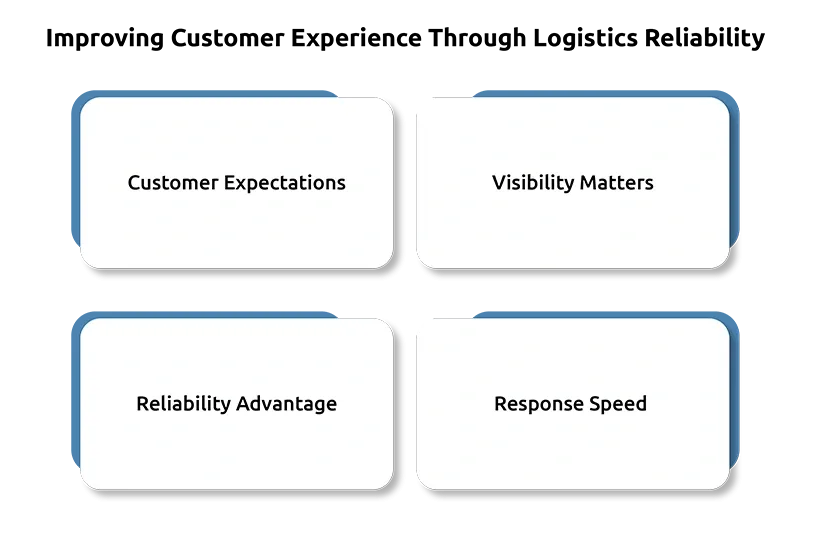
Improving Customer Experience Through Logistics Reliability
Customer requirements have changed greatly during the past decade.
Business buyers increasingly assess suppliers not only on product quality or cost but also on delivery, shipment visibility and working consistency.
Late deliveries affect customer confidence regardless of whether delays result from port delays, customs inspections, or shipping delays.
A varied shipping plan improves service performance by handling multiple logistics pathways capable of supporting customer duties during sudden events.
Organizations with flexible logistics networks are better positioned to offer correct delivery estimates, maintain legal service levels, or respond quickly when shipping conditions change.
In competitive markets, logistics reliability has become a major differentiator.
Financial Return on Investment Beyond Freight Savings
One of the most common confusions is that multi-port shipping always increases logistics costs.
While shipping costs may sometimes rise on individual shipments, the overall financial return is typically calculated across the complete supply chain rather than on a single freight invoice.
Businesses often generate value by minimizing emergency shipments, reducing production delays, lowering detention charges, improving stock sales, increasing customer retention, & reduced working downtime.
The total financial benefit frequently exceeds any extra shipping costs related to maintaining multiple shipping gateways.
As companies expand internationally, supply chain resilience becomes an investment in business continuity rather than an additional operating expense.

Industry Applications Across Global Trade
The value of multi-port logistics varies across industries, with supply chain reliability playing a critical role in business success. Technology companies use diversified shipping networks to support data center deployments and global hardware distribution. Medical equipment production depends on efficient logistics to maintain healthcare device supply chains, while automotive or aviation companies use multiple ports to ensure smooth movement of critical components. Renewable energy developers or industrial producers also benefit from flexible routing that supports major & urgent global projects.
Multi-Port Shipping and Importer of Record IOR: A Powerful Combination
Managing imports across multiple countries includes varying customs rules, documentation requirements, licensing, or compliance standards. An expert Importer of Record IOR partner simplifies this process by ensuring regulatory compliance across different regions, allowing businesses to move shipments effectively without setting up a local entity. For organizations shipping valuable technology, medical equipment, telecom networks, aerospace components, or industrial machinery, combining multi-port logistics with IOR services enhances working flexibility while reducing compliance risks.
Conclusion
As global trade becomes more complex, depending on a single shipping gateway increases supply chain risks and delays. A multi-port shipping plan helps businesses improve flexibility, improve supply chain stability, simplify customs processes, and make sure more reliable deliveries. By expanding shipping routes, companies can adapt quickly to changing market conditions, minimize logistics risks, and develop a more efficient & future-ready global supply chain.
Did You Know?
The World Bank’s Container Port Performance Index (CPPI) 2025 analyzed 400+ container ports worldwide using 2024 data, highlighting how port congestion and operational challenges impact global supply chains. This is driving businesses to adopt multi-port shipping strategies for greater flexibility and resilience.
Frequently Asked Questions
Is multi-port shipping suitable for small or medium-sized businesses?
Yes. Businesses of all sizes can benefit from varied shipping planning, specifically when importing valuable products or serving customers across multiple regions. The plans can be grown according to shipment volume & business requirements.
Does using multiple ports increase logistics costs?
Not automatically. Though individual freight rates may vary, businesses often minimize overall supply chain costs by avoiding delays, reducing emergency shipping , lowering stock holding expenses, or improving working efficiency.
Which industries benefit the most from multi-port shipping?
Industries including information technology, telecom, healthcare equipments, aviation, automotive manufacturing, renewable energy, industrial equipment, semiconductor production, & data center network frequently benefit because delivery reliability directly impacts operations.
How does an Importer of Record support multi-port shipping?
An Importer of Record manages customs compliance, import documentation, regulatory requirements, & local legal requirements across multiple countries, allowing businesses to expand globally without establishing local entities.
When should a company adopt a multi-port strategy?
Organizations experiencing shipment delays, expanding into new international markets, managing high-value cargo, or seeking greater supply chain stability should evaluate multiple shipping networks.