Introduction
Growing your business into new countries can help you reach more customers & grow faster. But shipping products into another country is not as simple as shipping them. Every shipment must follow customs rules, tax needs, & local import laws. If the documents are not correct or incomplete, your goods can be delayed at the border.
Many governments are making customs checks stricter. They want importers to provide correct information & follow the rules more carefully. Foreign companies may need to change how they plan their imports. By staying updated & preparing in advance, businesses can avoid delays, minimize extra costs, & keep their shipments shipping without any issues.
Why Are Importer of Record Rules Changing?
Global trade has developed mainly in the last few years. Companies now ship products to more countries than ever before. Customs officials have found more cases of incorrect product costs, wrong HS codes, & unpaid duties.
To handle these problems, many countries are enhancing their customs systems. They are using digital platforms & updated technology to check shipments. This allows customs officers to find issues faster & verify shipments that may need extra verification.
Governments also want clear information. They want organization to submit complete & correct data about every transportation. Customs compliance has become much more important than it was in the past.
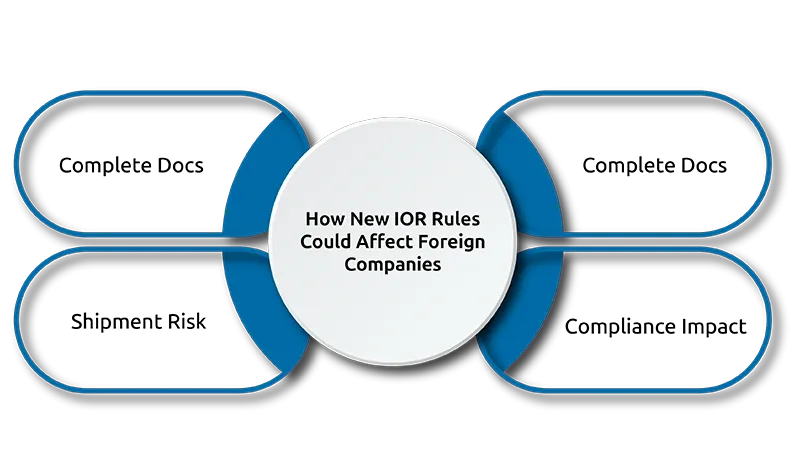
How New IOR Rules Could Affect Foreign Companies
Foreign companies that use Importer of Record services may notice some changes.
The main change is complete documentation. Customs officials may ask for more details about the products, their cost, country of origin, & HS codes. If the data is incorrect or incomplete, the shipment may be held.
Organizations may also handle more customs verification. Officials are verifying shipments more carefully to make sure all information is accurate. Companies with poor compliance records may be selected for more reviews or audits.
Another main change is better record-keeping. Businesses should keep invoices, transportation paperwork, purchase orders, & customs records organized. Having complete records makes it easier to answer questions from customs authorities if they request additional information.
How These Changes Affect Customs and Tax Planning
New Importer of Record rules do not only affect customs clearance. They also affect how businesses plan their import costs. When goods enter a country, companies may need to pay import duties, VAT, GST, or other local taxes. If these costs are not calculated correctly, businesses may face unexpected costs later.
Planning before transporting is the best way to avoid these problems. Businesses should check product verification, confirm product values, & understand local tax rules before goods leave the supplier. Good planning also helps companies estimate the total cost of importing products. This makes it easier to prepare budgets, set product prices, & avoid unexpected customs charges. It is always easier to secure customs problems than to solve problems after the shipment reaches the final location.
Why selecting the correct Importer of Record Is Important
A good Importer of Record does much more than complete documents. An experienced IOR understands local customs regulations & knows what papers are needed. They help businesses prepare correct customs declarations & make sure duties & taxes are calculated correctly. Working with the correct IOR also minimizes the risk of shipment delays, customs penalties, & compliance issues. For companies that do not have a local office in the country, an IOR provides a simple & legal way to import goods. This helps organizations mainly focus on consumer & organizational development instead of dealing with complex customs procedures.

How Businesses Can Prepare
Customs rules will continue to develop, so businesses should cheak their import process mainly. They should make sure material information is accurate, use the correct HS codes, & keep all import paperwork updated. It is also important to stay up to date on new customs laws in the countries where they do business. Even small rule changes can affect import procedures & tax payments. Using digital customs handling tools can also help businesses minimize documentation & enhance record-keeping. Working with an experienced Importer of Record & customs experts can help businesses stay updated & avoid unnecessary risks.
Conclusion
Customs laws are becoming stronger in the world. Organizations need to pay more focus to customs compliance & tax handling. Foreign companies should verify their shipping process, keep correct records, & work with a trusted Importer of Record. These simple steps can help minimize delays, avoid fines, & control import costs. Organizations that prepare for these changes today will be better prepared for future customs needs. Good planning & high compliance will help businesses ship goods across borders with fewer problems and greater confidence.
Did you know?
In 2025, world trade in goods and commercial services, on a balance of payments basis, increased by 8% to US$ 34.89 trillion, up from 4% growth in the previous year. Goods trade grew by 8%, and services trade grew at the same pace.
FAQ
How could new Importer of Record rules impact foreign companies?
New IOR rules may increase compliance requirements, documentation needs, and customs responsibilities. Foreign companies may need to update their import strategies to avoid delays and additional costs.
Why are governments introducing stricter Importer of Record requirements?
Governments are strengthening IOR regulations to improve customs control, prevent duty evasion, and ensure accurate reporting of imported goods and taxes.
How can new IOR rules affect customs and tax planning?
Companies may need to reassess duty calculations, tax obligations, and import structures. Better planning can help reduce unexpected expenses and compliance risks.
What role does an Importer of Record play in international trade compliance?
An IOR manages customs declarations, import documentation, duties, and regulatory responsibilities. It ensures goods enter a country while meeting local trade requirements.
Why is accurate product classification important under new IOR rules?
Correct HS codes and product details help determine proper duties and taxes. Incorrect classification can result in shipment delays, penalties, or customs investigations.