Insight
Import documentation plays a critical role in ensuring smooth customs clearance and global trade compliance. Even the most well-planned shipments can face in-transit delays if required paperwork isn’t accurate or aligned with customs tariff codes and Incoterms 2025. To avoid penalties and shipment hold-ups, importers must follow precise documentation and adhere to trade regulations, DDP shipping terms, and harmonized system codes (HS Code/HTS). Partnering with a reliable Importer of Record (IOR) or freight forwarder helps businesses maintain compliance, streamline warehousing services, and achieve faster clearance through automated and sustainable logistics practices.
Why Import Documentation Matters in Global Trade
In global trade, documentation serves two key purposes to prove ownership and to comply with foreign trade policy regulations. The correct documentation system enables authorities to perform customs duty assessments while applying tariff harmonization codes to fulfill shipment requirements. A country bases its customs tariff system on the goods classification along with their declared value and connected taxation levels. To clear customs, importers must present particular papers to official government departments. These documents not only determine the customs duties meaning but also verify the authenticity of the shipment and its compliance with international trade rules.
Integrating Documentation with Smart Supply Chain Practices
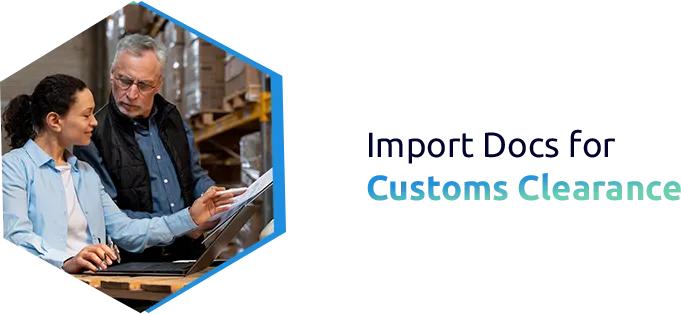
In today’s connected trade environment, importers are shifting toward digital documentation and AI-powered compliance tools to simplify customs procedures. At One Union Solutions, we combine freight forwarding services, warehousing solutions, and third-party logistics expertise to ensure that your shipments move efficiently through every stage — from origin to delivery. Our team aligns HS code classification, DDP service execution, and multimodal transport coordination to meet both regulatory and sustainability goals. By following supply chain best practices and staying updated on AEO certifications and Incoterms 2025, importers can reduce risks, accelerate customs processing, and strengthen their global trade operations.
Essential Documents for Import Customs Clearance
Every importer must prepare and submit key documents that form the backbone of import customs clearance. The most common documents required include:
Commercial Invoice: This is essential because it lists the merchandise worth and shipment regulations with the harmonized tariff system code. The customs tariff calculation starts from this document because it contains the essential information required to determine customs values and duties.
Bill of Lading or Airway Bill: The documentation named Bill of Lading or Airway Bill is an essential requirement for conducting customs clearance procedures. The document lists the transportation terms that define whether the shipment moved with DDP conditions or other arrangements.
Packing List: Each packing list supports invoice documents by revealing what items appear inside each shipment. Handling procedures during customs operations will be optimized with this documentation.
Import License: An import license is a requirement for customs duty clearance when specified
Under the foreign trade policies of destination countries.
Certificate of Origin: The Certificate of Origin demonstrates where the products were manufactured, and this document affects the customs duties that international trade agreements specify.
Insurance Certificate: Insurance authorities need proof of coverage to validate that shipping terms include damage protection during transportation.
Customs Clearance Process: How It Works
Import customs clearance begins with the submission of the documents to the customs department. The importer or their appointed import customs broker handles the process, ensuring all requirements are met. Customs authorities review the documents, verify compliance with regulations, & assess the applicable customs tariff.
Key Shipment Terms Every Importer Should Know
The responsibilities of sellers and buyers during shipment transit are specified through terms including Delivered Duty Paid / DDP and Free on Board. Partakers under DDP must bear all customs duties until the seller completes customs clearance of the shipment before delivery. Learning these shipping terms is essential for traders to prevent misunderstandings, which could result in additional fees when conducting international deals.
Role of Import Customs Brokers in Clearance
An import customs broker is a licensed professional who assists importers in managing their import documentation and customs clearance procedures. They ensure all documents meet the requirements of the customs tariff regulations and assist in the filing process. Their expertise can be vital when navigating complex customs clearance services.
Compliance with Regulations and Tariffs
Trade compliance in a global setting requires roles that go beyond administrative functions. Importers must keep up to date on their target market’s trade policy and any requirements surrounding their country’s customs tariff structures, including customs duty obligations. Companies that do not comply face costly penalties, shipping delays, and reputational damage to their businesses. Harmonized tariff codes are used by authorities to classify products so they can assign the appropriate customs duty clearance. Proper product classification by importers will enable them to avoid delays in customs clearance operations.
Challenges in Import Customs Clearance
Import customs clearance is an important step in international trade, but it often comes with many challenges. One of the most common problems is incorrect or incomplete documentation. Missing or inaccurate details in invoices, product descriptions, HS codes, or country of origin can cause customs delays, inspections, or even penalties. Another major challenge is wrong HS code classification, which can lead to higher duties and longer clearance times. Customs valuation issues also create problems when the declared value does not match what authorities expect, resulting in reassessments and extra charges.
Guidelines for Importers to Guarantee Seamless Customs Clearance
This preparation is the key to successful customs clearance. Importers must create a checklist of essential documents & inquire from an experienced import customs broker whenever needed. It is also vital to keep updated with changes in the foreign trade policy and harmonized tariff codes of the destination country. Customs clearance services provided by professionals can help avoid costly errors and ensure the entire customs clearance process runs smoothly.
Conclusion
All global trade operations depend on accurate documentation for their success. Accurate preparation and following paperwork regulations are crucial factors in determining the success of customs clearance for shipments. We at One Union Solutions provide specific import customs clearance services because they help your shipments pass all regulations to achieve effortless shipping and operational success.
Did You Know?
According to recent government data from the International Trade Center, customs clearance in progress delays account for nearly 30% of shipment holdups globally. In India, for example, the Central Board of Indirect Taxes and Customs (CBIC) has launched initiatives to digitize the customs clearance completion process, reducing average clearance time from 8 days to just 2-3 days in major ports
FAQs
1. Why is customs clearance important for international imports?
Customs clearance is important because it allows goods to legally enter a country. Without proper clearance, shipments can be delayed, fined, or rejected.
2. What happens if import documents are incorrect or missing?
Incorrect or missing documents can cause shipment delays, inspections, extra charges, or penalties. In some cases, goods may be held until the issues are corrected.
3. Who is responsible for paying import duties and taxes?
The responsibility depends on the agreed shipping terms. In many cases, the importer pays the duties, but under certain terms, the seller may handle all customs costs.
4. Which document is essential for customs clearance?
Commercial invoices and transport documents such as the air waybill are among the most important documents required for customs clearance. Depending on the shipment and destination, additional documents such as certificates of origin or import permits may also be necessary.
5. How much is a customs clearance fee?
Customs clearance fees vary depending on the shipment value, product type, destination country, and the service provider handling the import process. These charges are separate from applicable customs duties and taxes and may differ based on the complexity of customs requirements.