How do companies import automotive electronics and EV components across borders?
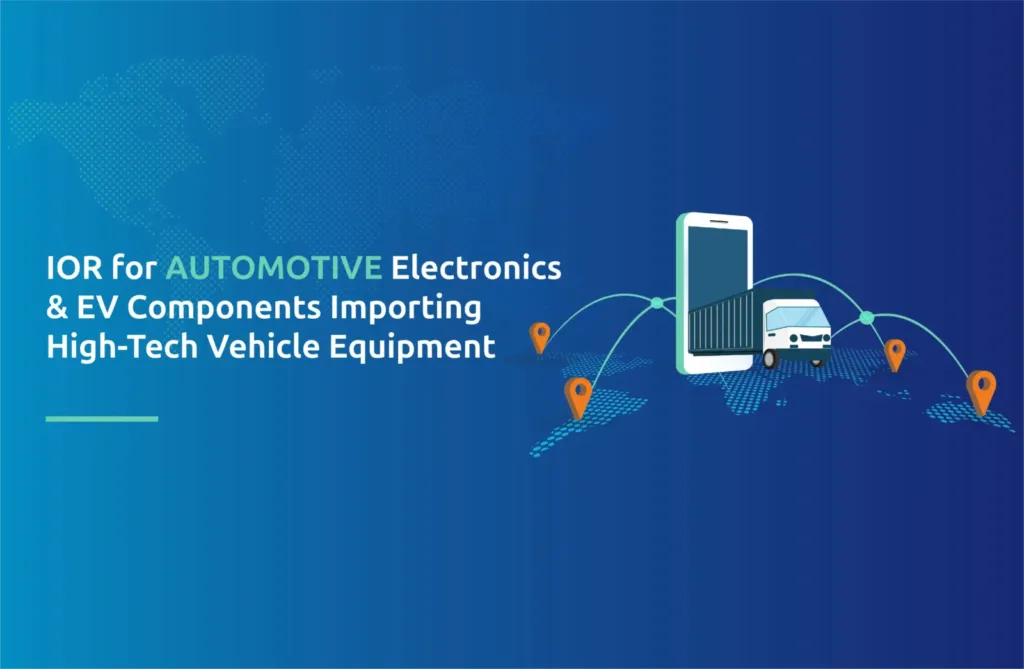
Modern vehicles rely on a growing range of electronic technologies, including ADAS sensors, ECUs, cameras, telematics systems, battery-management systems and EV charging equipment. These products are often shipped internationally for vehicle production, testing, repair or replacement.
Importing these components involves more than transportation. Companies may need to handle customs classification, import documentation, product standards or market-specific certification or homologation requirements.
The Growth of Electronics in Automotive Equipment
Modern vehicles use a wide range of electronic systems, involving ADAS, sensors, ECUs, telematics and battery-management systems. These technologies help functions such as vehicle control, safety, network & driver help.
EVs also depend on electronic components such as battery-management systems, built-in chargers, power-control units or charging equipment.
As these products are increasingly shipped across borders , companies need to identify each component correctly for customs & applicable market requirements.
Which Automotive Technology Products Are Commonly Shipped Cross-Border?
Automotive technology is shipped internationally for vehicle production, testing, repair and replacement. Common products include ADAS cameras, radar sensors, ECUs, telematics units, battery-management controllers, power modules and diagnostic equipment.
EV shipments may also include charging controllers, DC charging modules and other electronic assemblies. Replacement units such as ECUs and sensors may move between manufacturers, service centres and distribution locations.
Each product should have a clear technical description rather than a broad label such as “automotive parts.” Accurate descriptions help support correct customs classification and applicable import requirements.
Customs vs. Technical Requirements
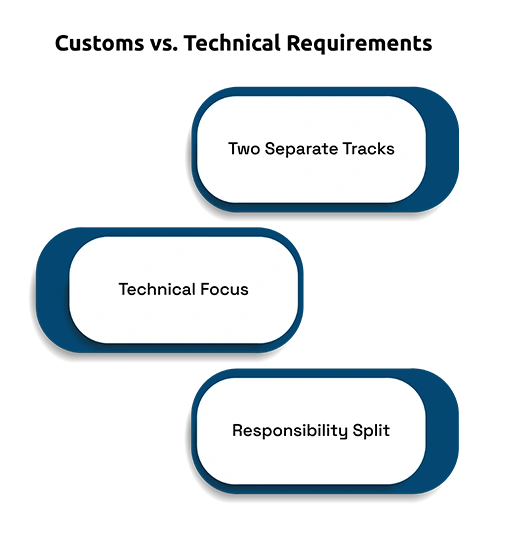
Customs clearance and technical approval are two separate requirements. Customs focuses on the product description, value, origin, HS classification and import documentation. Classification can also affect duties, licences and restrictions.
An IOR supports the importing process, including customs documentation and coordination with the customs broker where applicable.
Technical requirements depend on the product and destination market. Some automotive components may require certification, or other approvals before they can be used or placed on the market.
Therefore, companies should check what the product is, how it will be used and which requirements apply in the destination country.
Batteries and Dangerous-Goods Considerations
Battery requirements depend on the actual product and shipment. Not every EV component is classified as dangerous goods.
Products containing lithium-ion batteries, battery modules or standalone batteries may have specific transport requirements based on the battery type, configuration and mode of transport.
For air shipments, IATA Dangerous Goods Regulations cover applicable battery shipments, including packaging, labelling and documentation. Road transport may follow ADR requirements.
Before shipping, companies should confirm whether the product contains a battery and identify the correct transport requirements for that configuration.
Common Mistakes When Importing Automotive Electronics
One common mistake is using broad details such as “electronic parts“. Customs authorities may need a more precise description that identifies the product and its function.
Another issue is assuming that customs clearance automatically means the product is approved for vehicle use. Customs acceptance and automotive homologation are not the same thing. A shipment can be correctly declared for import while separate technical requirements still apply before the component can legally be used or placed on the market.
Battery information is another area that requires attention when batteries are actually present. Incorrect or incomplete battery specifications can affect transport preparation, packaging and documentation.
Companies can also overlook the difference between a production component and a replacement unit. The same ECU may travel under different commercial circumstances depending on whether it is being imported for manufacturing, testing, repair or warranty replacement.
Finally, software-enabled automotive electronics require careful coordination between physical hardware and regulatory documentation. Changes to software can affect the regulatory status of certain systems, making product and software information important during technical assessment.
How an IOR Supports Automotive Electronics Imports
An IOR can provide an importing structure for automotive technology shipments where the customer does not have an appropriate importing entity in the destination market.
For an automotive electronics shipment, the process can begin with reviewing the product type, shipment purpose, destination, importer requirements and available commercial and technical documentation. Customs classification, valuation and import documentation can then be assessed alongside any applicable market-specific requirements.
The IOR role can be particularly useful for cross-border movements of ADAS sensors, ECUs, telematics equipment, charging hardware, diagnostic systems, electronic replacement units and other automotive technology equipment.
However, the IOR does not replace the manufacturer, certification holder, technical authority or product owner. Each party’s role should be established before shipment.
Conclusion
Automotive electronics imports require a coordinated view of customs, product requirements and transport conditions. ADAS sensors, ECUs, telematics modules, battery-management systems and charging equipment can each have different technical and import considerations depending on their function and destination.
An IOR for automotive electronics can address the importing side of the shipment while technical approvals, product conformity and manufacturer responsibilities remain separate. Battery-related transport requirements should also be assessed only when the shipment actually contains applicable batteries.
Did You Know?
Global electric car sales exceeded 20 million in 2025, with electric vehicles accounting for one in four new cars sold worldwide, according to the International Energy Agency (IEA).
Frequently also asked
Can an IOR import automotive electronics?
Yes. An IOR can act as the importing entity for eligible automotive electronics where an IOR arrangement is appropriate. Technical certification, homologation and manufacturer responsibilities remain separate.
Do automotive electronics need certification before import?
It depends on the product, intended use and destination market. Some components and systems may fall under automotive type-approval or other technical requirements, while others may not.
How are ADAS sensors imported internationally?
ADAS sensors should be assessed based on their technical function, classification, destination-market requirements and intended use. The IOR can support the import and customs side where applicable.
Are EV components always treated as dangerous goods?
No. Dangerous-goods requirements depend on whether the shipment contains applicable batteries or other regulated materials and on the transport configuration. An electronic component without such materials does not automatically become dangerous goods.
Can an IOR handle automotive warranty and replacement parts?
An IOR can support eligible warranty, RMA and replacement imports where the destination requirements permit the arrangement. The shipment still needs accurate product, value, origin and customs information.