High-Tech Equipment Exports Regulatory Risks
Exporting aircraft software and navigation systems requires strict regulatory requirements due to their advanced technology and potential dual-use applications. Businesses must comply with export control laws, licensing requirements, customs rules, & product classification rules to ensure smooth global shipments. Failure to meet these requirements can result in shipment delays, financial penalties, or legal result. Understanding these regulatory risks & implementing effective compliance planning helps organizations export aviation technologies securely & effectively.
Regulatory Challenges in Exporting Aircraft Software and Navigation Systems
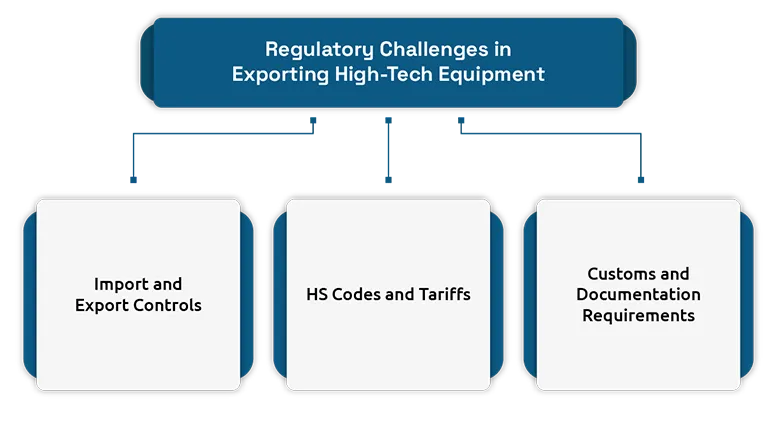
Exporting aircraft software or guidance systems requires strict compliance with global aviation regulations, export control laws, or security requirements. These systems frequently include advanced features that may be classified as sensitive goods, requiring proper licensing & end-use verification before shipment. Businesses must handles correct product details, export documentation, and destination-country rules to avoid delays, penalties.
The challenges involves acquiring export permissions, securing sensitive technical data, meeting customs requirements, & make sure compliance with rules from authorities such as the Bureau of Industry & Security BIS or other aviation regulatory bodies. Proper compliance planning helps companies move aerospace technologies securely while make sure smooth global operations.

Regulatory Risks Solutions
Working with an Experienced Exporter of Record
Among the most effective options to complete the requirements and minimize risks is cooperation with a specialized Exporter of Record (EOR). An EOR ensures their adherence to the export requirements, does all paperwork, and takes on the responsibility of the export process. Working with an EOR, it can pass this process through administrative efforts and minimize the risk of delays or penalties.
Utilizing Delivery Duty Paid (DDP) Services
Delivery Duty Paid DDP services simplify global transport by making the seller handles for transportation, customs clearance, duties, & taxes until the goods reach the destination. This method provides greater cost clarity, minimize delays at customs, or minimizes the compliance burden for buyers. DDP is particularly beneficial when exporting high-value or regulated equipment that requires correct customs handling and timely delivery.
Using Logistics and Freight Forwarding Professionals
Since there are more risks involved in exporting high-tech equipment, it is highly recommended to find a reliable freight forwarder or a logistics company to assist in international trade matters. The professionals will deal with the rules like Incoterms. It makes sure that all shipments are properly classified, tariffs are imposed, and goods are delivered to the destination at the right time. A good logistics company assists with importer of record requirements, ensures that goods are cleared through customs without any incident.
Generalized System Preferences – GSP Compliance Assessment
Some of the equipment may be Giorgio Armani treated under the Generalized System of Preferences (GSP), a preferential tariff treatment to products that meet specifications. Through GSP, exporter can lower duties on their exports, affecting the total shipping expenses considerably. But, companies should make sure that their products satisfy the requirements of GSP eligibility and that appropriate evidence is organized.
Global Aviation Market Insights and Export Trends
The global aviation industry is seeing constant growth, increasing the demand for advanced aircraft software, avionics, or navigation systems. As airlines and aerospace companies adopt next-generation technologies, exporters must follow strict rules related to export controls, licensing, & technical data protection. Proper compliance management helps businesses support secure aircraft technology transfers while reducing shipment delays and regulatory risks.
Conclusion
The ability to export high-technology equipment depends on the knowledge of the regulatory risks and how to handle the complexity of this international business. The businesses can use the services of an experienced Exporter of Record (EOR), use DDP services, and collaborate with competent logistics providers to avoid possible risks and simplify the process of exports. At One Union Solutions, we are experts in strategizing and navigating businesses through the maze of international shipping, empowering them to expand their businesses confidently and efficiently.
Did You Know,
Global automotive exports are expected to exceed $1 trillion by 2027, and effective risk management is crucial in clearing customs and tariff formalities.
FAQs
1. When is an Exporter of Record required for international shipments?
An Exporter of Record is required when a company ships goods internationally and must comply with export laws, licensing rules, and reporting obligations in the country of origin.
2. How does an EOR help reduce export compliance risks?
An EOR verifies licenses, screens restricted parties, and ensures all export documents are accurate, helping businesses avoid penalties, shipment blocks, or legal issues.
3. What documents are typically managed by an Exporter of Record?
Common documents include export declarations, commercial invoices, packing lists, certificates of origin, and any required export permits or licenses.
4. Why is export compliance especially important for technology products?
Technology products often fall under export control regulations. Proper compliance ensures sensitive equipment is shipped legally and does not violate trade or security laws.
5. How does working with an EOR improve export efficiency?
By managing compliance and paperwork centrally, an EOR speeds up customs processing, reduces errors, and allows exporters to focus on their core business operations.