
Insight
Exporting avionics devices is complex because different countries have different tariff categories. The identification of avionics products must be done correctly to ascertain the right duties, taxes, and customs requirements.
It is important to understand how tariffs should work in the case of avionics to prevent delays and heavy fines due to changes in the laws of international trade. This blog will explain why tariff classifications matter, how the Harmonized Tariff System works, & how a company can streamline its export activities across international borders.
What is Tariff Classification?
Tariff classification is how a government classifies goods. This category defines duties, taxation, and transport rules in a foreign market. In the case of avionics, tariff classification is especially influential since the products are highly specialized and there is a difference in regulation among countries. When categorizing correctly, the chances of making errors resulting in inappropriate expenditure or inability to ship products in time are avoided.

The Role of the Harmonized Tariff System (HTS)
The HTS is a global system of product classification, employed by most countries to clear customs for the products. Each product possesses a particular HS code (Harmonized System code), which allows for classifying a product by category, material, and use. With avionics equipment, the HTS system contains specific codes representing any aviation product. Every country can be allowed minor differences in its application of the same codes, so exporters must familiarize themselves with particular territories.
Proper HTS classification is crucial for ensuring timely customs clearance and avoiding fines or shipment delays. Exporters should regularly review updates to HS codes, as changes in classification rules or duty rates can directly impact costs. Working with experienced customs brokers or an Importer of Record can help apply the correct codes, manage documentation, and maintain compliance across different countries, making the export of sensitive avionics equipment smoother and more reliable.
Key Factors Affecting Tariff Classifications
Customs Documentation
When exporting avionics, it is important to have proper customs documentation to obtain a smooth clearance. Invoices, bills of lading, & certificates of origin etc. are usually required. Some nations may even need additional certifications, especially for sensitive or high tech equipment. Customs clearance may get delayed without the appropriate documentation or may be rejected.
The Importer of Record (IOR)
An importer of record (IOR) takes care of the shipment to fit into the requirements of local customs regarding tariff classification and the payment of the duties. Use of an experienced EOR service. Many businesses contract compliance and paperwork of the goods with an experienced exporter of record (EOR), reducing the risk of classification error and smoothing the process.
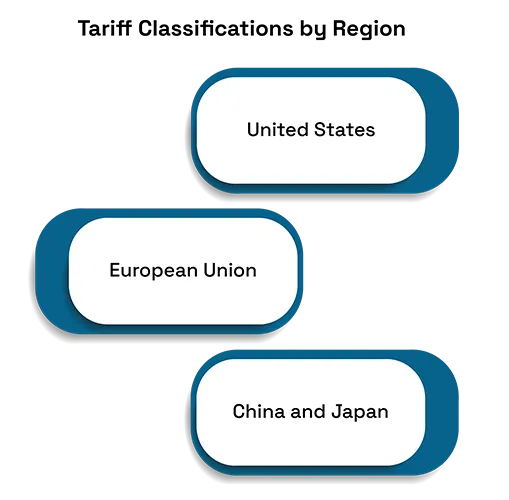
Tariff Classifications by Region
United States
In the U.S. avionics equipment falls under the defined specific HS codes in Section 88 of the Harmonized Tariff Schedule. Aerospace products discussed in this section include flight instruments, aircraft engines and other products. It is important to be classified properly to prevent paying excessive duties, and companies potentially receive duty refunds via programs such as Duty Drawback in the case of later exportation of goods.
European Union
The EU employs the Combined Nomenclature (CN) system, which is a development of the HS code system. Certain sub-categories of the CN exist that should be properly traced in Avionics goods. The EU provides favorable customs duties to deserving products through the Generalized System of Preferences (GSP). Exporter should also ensure that their products satisfy these specifications to enjoy low rates of tariffs.
China and Japan
In China, avionics products are generally categorized by HS code 8805, which refers to aircraft parts. Japan adheres to a similar classification system, but is subject to various tariff rates on various products according to the technological composition of the product. These two countries also restrict imports. So, companies need to make sure it’s products are certified accordingly to get through customs without delays.
Middle East
The HS code system is followed in the UAE and Saudi Arabia. But some conditions might be slightly different in the classification of avionics equipment. The aviation industry is important in these countries. The tariff can be influenced by whether the goods are advanced technology. Customs Clearance could be smooth by learning the regulations and employing the help of an experienced importer of record.
How to Ensure Accurate Tariff Classification for Avionics
Work with Customs Experts
Tariff classification can be complex; hence, it helps businesses to engage the services of customs brokers or logistics companies that deal with avionics. The utilization of these specialists may assist in correctly applying a proper HS code and ensure that all the documentation is executed properly to reduce the risk of penalties and delays of products.
Stay up to date with Regulatory Changes
Codes and tariff regulations are likely to change regularly. It is important to be updated on the changes to HTS codes or local import rule changes. Automated customs declaration and tariff classification systems can facilitate this to minimize human error and paperwork.
Conclusion
The customs regulations of each country of destination should be well understood, as far as navigating through the tariff classifications of avionics is concerned. Businesses can manage some risks and automate the export process by working with customs specialists and keeping up-to-date with tariff codes and other tools, such as DDP shipping services. We offer international trade expertise and solutions at One Union Solutions that businesses that do high-tech exports need to do smooth, compliant and efficient international shipments.
Did You Know,
The global avionics market is projected to reach over $100 billion by 2026, driven by increasing demand for advanced flight systems and aircraft upgrades.
FAQs
1. Why is proper HTS classification critical for avionics shipments?
Correct HTS classification ensures goods are taxed accurately, avoids customs delays, and prevents penalties or fines for misclassification.
2. How does an IOR simplify international avionics imports?
An IOR manages documentation, ensures compliance with customs rules, and pays duties on behalf of the importer, reducing errors and shipment delays.
3. Can using GSP impact avionics export costs significantly?
Yes, qualifying avionics products under the Generalized System of Preferences can reduce or even eliminate tariffs, lowering overall export costs.
4. What documentation is typically required for exporting avionics?
Required documents often include commercial invoices, packing lists, certificates of origin, export licenses, and any compliance certificates specific to aviation equipment.
5. How does DDP shipping benefit exporters and importers in aviation?
DDP ensures all taxes, duties, and fees are handled upfront by the exporter, providing cost transparency, faster clearance, and a smoother delivery experience for the importer.