Insight
The high-velocity aviation import industry depends on supply chain transparency to realize efficiency. The Internet of Things (IoT) technology has changed this industry by providing a better real-time tracking service, predictive analytics, and regulatory compliance automation. Aviation parts & tools tend to be subject to rigid regulations and tariffs, so in such an instance, IoT is essential in facilitating the smooth passage of parts through customs and the timely delivery of goods.
It also helps reduce delays, prevent losses, and improve coordination between suppliers, customs authorities, and logistics providers. By using IoT data, aviation companies can make faster decisions, lower operational risks, and maintain better control over their import supply chains.
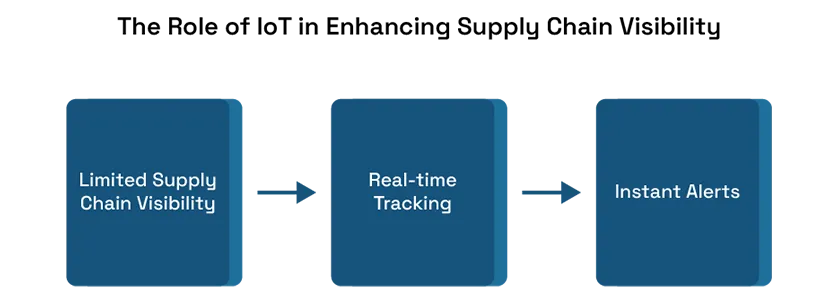
The Role of IoT in Enhancing Supply Chain Visibility
Businesses can engage smart sensors and other gadgets to gather and transfer real-time information about the shipment, be it plane equipment or other special instruments, due to IoT. The continuing flow of such data allows the companies to monitor where goods are and whether they are in transit across national boundaries or customs. In the aerospace industry, where HS codes and Harmonized Tariff Schedules (HTS) are very important to ensure the right tariff is charged, IoT technology facilitates tracking compliance with relevant importer of record obligations, which normally eases passage through customs checks.
The primary benefit of the IoT is real-time tracking, through which real-time, precise information about the location of goods and their condition throughout the transportation can be traced. Technologies like IoT enable device tracking, such as GPS tracker tags, sensor tags, and other devices, that enable businesses to follow the location of the components to their end-users conveniently. IoT can likewise trigger instant warnings in case of delays, so that there are proactive resolutions to prevent the disruption of costly delays.
Reducing Compliance Efforts Using IoT
Incoterms like DAP and DDP are necessary in the aviation import industry, where there is a lot of control, and thus buyers and sellers are bound by the responsibility. IoT systems enable improved handling of compliance information, making filing proper documentation and tariff classification with customs easy. All items must be ensured to fulfil safety standards, and since aviation equipment is important, it is important in this aspect.
As an example, temperature-sensitive components or specialized equipment can be constantly under surveillance in the transportation process and, as such, will not be subjected to poor environmental conditions that might deteriorate their quality. Also, IoT can be utilized to manage importer of record services based on the correct tariffs and taxes being applied in real-time on the appropriate Hs code or HTS harmonized tariff per shipment.
Improved Decision-Making and Predictive Analytics
Another advantage is predictive analytics, which IoT drives. Predictive models can predict delays along the way based on past shipment data on weather, customs problems, and regulatory choke points. This will enable the companies to make better plans and curb potential problems as they arise. In one example, IoT may predict when something will arrive in a warehouse or airport to be easily coordinated with the customs brokers and other supply chain participants.
The tariffs and customs regulations are dynamic, and the business ought to be aware of any potential changes that could arise to determine the cost or time of shipment. Superior forecasting and the ability to rapidly respond to changes in the regulatory environment are also possible since the data is brought in real-time with IoT. Its type of elasticity may help companies maintain the velocity essential to compete.
Enhancing Efficiency & Cost Savings
Along with guaranteeing better visibility & compliance, the IoT can help businesses to simplify the supply chains therefore, the savings. Automation will save companies a lot of time and resources on the manual process, like tracking shipments, tariffs, and processing customs clearance. Also, IoT minimizes the possibility of expensive corrections, like erroneous import definitions of insurers or the lack of documentation.
The automatic aspect of IoT technology saves time and enhances accuracy in classification and tariff payment, reducing the chance of penalty or fines. It also guarantees that businesses effectively use trade agreements, which can reduce costs and increase profit margins.
Market Research: Data Insights
The world market of the IoT-enabled supply chains is developing fast, at an annual growth rate of 23.3%, forecasted to decline till 2028. IoT investments in the logistics and transport industries comprised over $10 billion and occurred in 2023 alone. This growth reflects the increasing demand for more efficient, transparent, and predictive supply chain management solutions across sectors, including aviation equipment and automobile equipment.
Did You Know,
In 2023, IoT technology was projected to reduce supply chain delays by 25% in sectors like aviation, by improving tariff compliance and ensuring real-time tracking.
Conclusion
Through the IoT technology, companies have been revolutionized in managing supply chain visibility, particularly in industries where imports, such as the aviation industry, are involved. The IoT may also be applied to real-time monitoring and prediction, minimizing difficulties in achieving compliance and reducing costs. Since these technologies are applied in business, they allow the business to make its operations more efficient, ensure regulatory compliance, and enhance the flow of goods in general. As practitioners at One Union Solutions, we apply the available technologies accurately, implying an excellent supply chain activity across borders.
FAQs
How does IoT improve shipment tracking in aviation imports?
IoT devices provide live location updates, allowing companies to track aviation parts and equipment throughout the supply chain and respond quickly to delays.
Can IoT help prevent damage to aviation components during import?
Yes, IoT sensors monitor temperature, humidity, and shock levels, helping protect sensitive aviation parts from damage during transit.
How does IoT support faster customs clearance for aviation imports?
IoT systems share accurate, real-time data with customs authorities, reducing paperwork errors and speeding up clearance processes.
What role does IoT play in risk management for aviation imports?
IoT helps identify risks such as route disruptions or storage issues early, enabling companies to take corrective action before problems occur.
Is IoT useful for compliance and audit readiness in aviation imports?
Yes, IoT creates detailed digital records of shipments, making audits easier and helping companies prove compliance with aviation and trade regulations.