Advanced medical equipment, such as diagnostic machines, laboratory instruments, and medical sensors, needs careful handling during transportation. Extreme heat, cold, and humidity can damage sensitive components and affect equipment performance. Temperature-controlled logistics helps maintain suitable conditions during storage and shipping. Proper packaging, temperature monitoring, and careful planning help protect medical equipment during international transportation and ensure it reaches its destination in good condition.
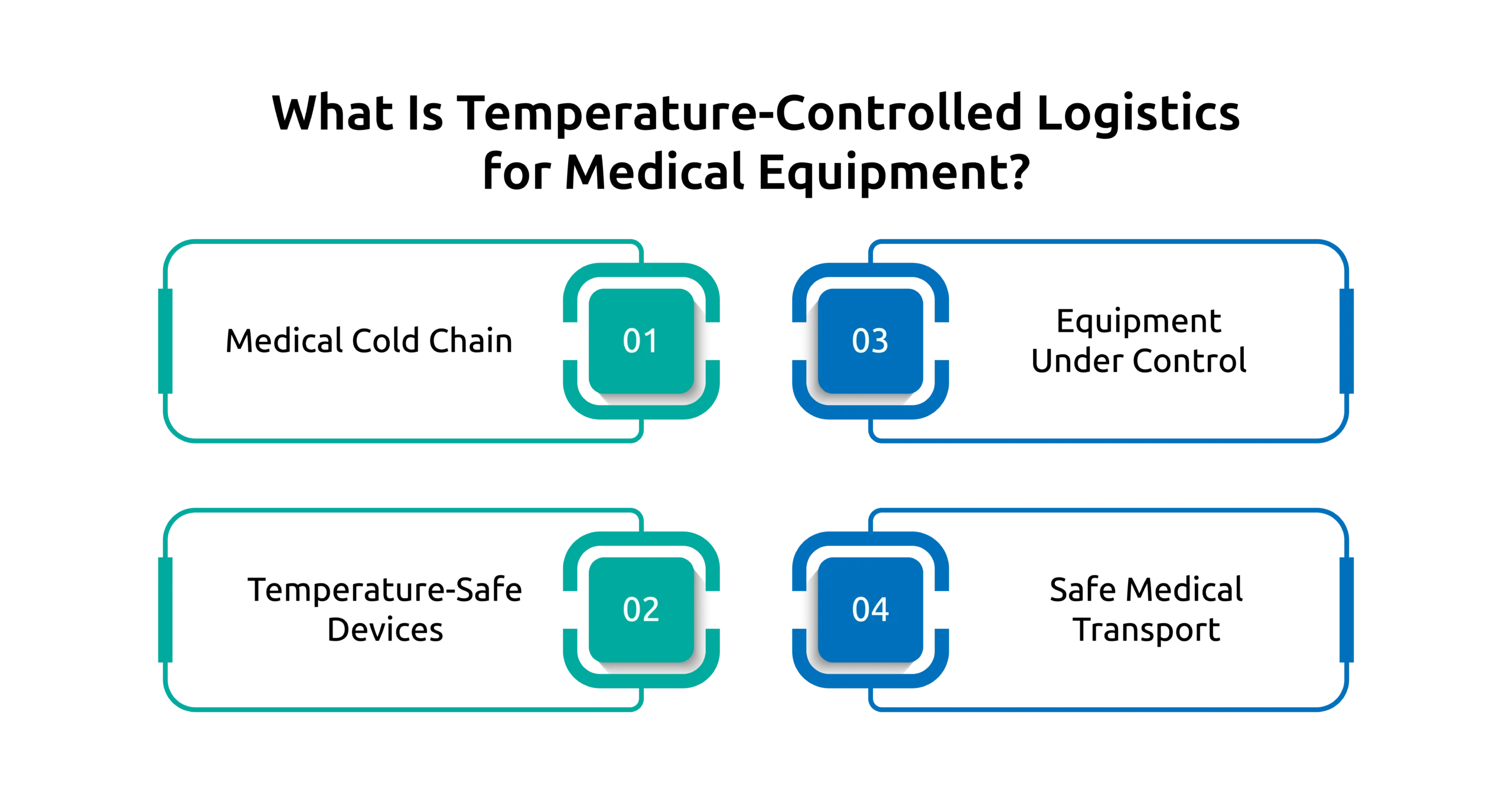
What Is Temperature-Controlled Logistics for Medical Equipment?
Medical equipment must be deliver and stored at a proper temperature for temperature-controlled logistics. Sensitive devices require to be protected from heat, cold, and moisture, similar to traditional shipping. Specific medical equipment has sensitive electronic parts that are at risk for fast temperature changes.
This procedure involves using protective containers, protected packaging, and temperature-control equipment to check conditions during transit. It also includes loading and unloading equipment with carefully and following to the producer’s temperature conditions. Daily tracking allows fast action when required and helps in detecting temperature changes. Transport medical equipment at the proper temperature reduces the risk of damage and makes sure that it reach hospitals and labs.
Why Do Advanced Medical Devices Require Temperature-Controlled Transportation?
Sensitive electronic devices, sensors, and other sensitive parts are typically found in advanced medical equipment and require careful handling during transport. These parts may be affected by high or low temperatures, which can cause their failures. Electrical connections may be affected by the moisture that fast temperature changes can produce inside the device. Stable conditions are required for some testing and diagnostic equipment to stay correct and fixed.
Long distances, multiple shipments, and unexpected delays can increase the risk of damage during international medical equipment delivery. During shipping, these devices are protected from changing weather conditions by proper temperature control. Also, it reduces the chance of faulty equipment, costly repairs, and replacement. Medical equipment is delivered to hospitals and labs safely and prepared for use due to careful handling and regular checks.
Which Medical Equipment Requires Temperature-Controlled Logistics?
Some sensitive medical equipment must be shipped and stored with extra care to protect its sensitive parts. The rules provided by the producer specify the required temperature conditions. Diagnostic imaging devices with sensitive electronic parts, such as MRIs, CT scans, and X-ray machines, are common examples. Stable temperature may also be required for lab testing equipment and diagnostic tools to protect their internal parts and sensors. Medical sensors, ultrasound machines, and patient monitoring equipment may require to be safe from high or low temperatures.
Medical equipment also require specific packaging and controlled storage for some of its electronic parts. These goods efficiency can be affected if they are faced with improper conditions. Medical equipment shipment that is properly temperature-controlled helps keep these goods safe over long travels and global transit. Also, it helps make sure that equipment is delivered to hospitals, labs, and medical centers in a condition that allows for extra testing and use.
Key Components of an Effective Temperature-Controlled Logistics System
Medical equipment is secured during storage and shipment using many types of methods in an efficient temperature-controlled logistics system. Temperature-controlled warehouses help in keeping equipment’s proper status, both before and after shipment. Protective containers and sealed packing help in protecting sensitive equipment from external changes in temperature and physical damage. Climate-regulated vehicles are used when equipment requires a fixed temperature during the travels.
Real-time temperature control equipment helps in tracking temperature changes during transport and informs the team if the temperature changes from the required range. Check humidity is also important when too much moisture can damage electronic parts. Proper loading, unloading, and storage methods help avoid incorrect conditions, improper handling, & changes. When handling is done, these steps improve secure transport of medical equipment and reduce the chance of damage happen during delivery.
How Does Temperature-Controlled Logistics Support International Medical Equipment Imports?
Planning is important when import cutting-edge medical equipment because these goods can travel through multiple countries before reach at location. Shipping medical equipment globally requires choose proper shipping routes, planning secure storage, and making sure that the required temperature levels are keep during the travels. For customs clearance, the correct documents is also required, including packing lists, commercial invoices, and shipping details.
Customs officials can detect the imported equipment with the help of correct product details and HS code classification. Import permits or specific approvals may also be required for some medical equipment, based on the product and the country of destination. Logistics companies and customs brokers help in document handling and shipment process planning. Careful final-mile shipping follow customs clearance makes sure that the equipment reaches at medical centers, labs, & hospitals without extra care or delays. This reduces transport and compliance issues and improves the process of medical equipment import logistics.

Conclusion
Temperature-controlled logistics is important for secure cutting-edge medical equipment when it is being deliver and stored. Careful handling, temperature control, & proper packaging all help reduce the risk of damage and safety of sensitive equipment. Import compliance, customs documents, & careful planning are all important for shipments globally. Companies can more easily ship sensitive medical technology over borders and deliver it to hospitals and healthcare centers through secure medical equipment shipping with well handle import processes.
Did you know
According to a research report published by MarketsandMarkets, the global cold chain market is estimated at USD 276.5 billion in 2026 and is projected to reach USD 455.0 billion by 2031, growing at a CAGR of 10.5% during the forecast period.
FAQ
Does MRI and CT scan equipment need temperature-controlled transportation?
Some MRI and CT scan components need controlled temperature conditions during transportation. Their electronic parts and sensitive systems must be protected according to the manufacturer’s instructions.
How can temperature changes damage medical equipment during shipping?
Sudden temperature changes can cause moisture to form inside equipment. This may damage electronic parts, sensors, and electrical connections, affecting how the equipment works.
How is temperature monitored during international medical equipment shipping?
Temperature sensors and data loggers are used to record conditions during transportation. Some devices also send alerts when temperatures move outside the required range.
How does temperature-controlled logistics help hospitals receive medical equipment safely?
It helps maintain suitable conditions during storage and transportation. Proper shipment monitoring and careful final delivery reduce the risk of damage before the equipment reaches the hospital.
What happens if medical equipment faces a temperature problem during transportation?
The shipment may need to be checked before delivery. Technical teams may inspect the equipment to find out whether its performance or safety has been affected.