Overview
Nearshoring has emerged as a strategic response to the challenges that have reshaped global supply chains over the past few years. Rising transportation costs, geopolitical uncertainties, shifting trade policies, and the lessons learned from pandemic-related disruptions have encouraged manufacturers to move production closer to their primary markets. Industries such as automotive, IT, aviation, and medical equipment are increasingly adopting nearshoring strategies to reduce lead times, improve operational flexibility, and gain greater control over their supply networks. By sourcing components and manufacturing products in neighboring or regional markets, companies can respond more quickly to changing customer demands while reducing their dependence on distant suppliers.
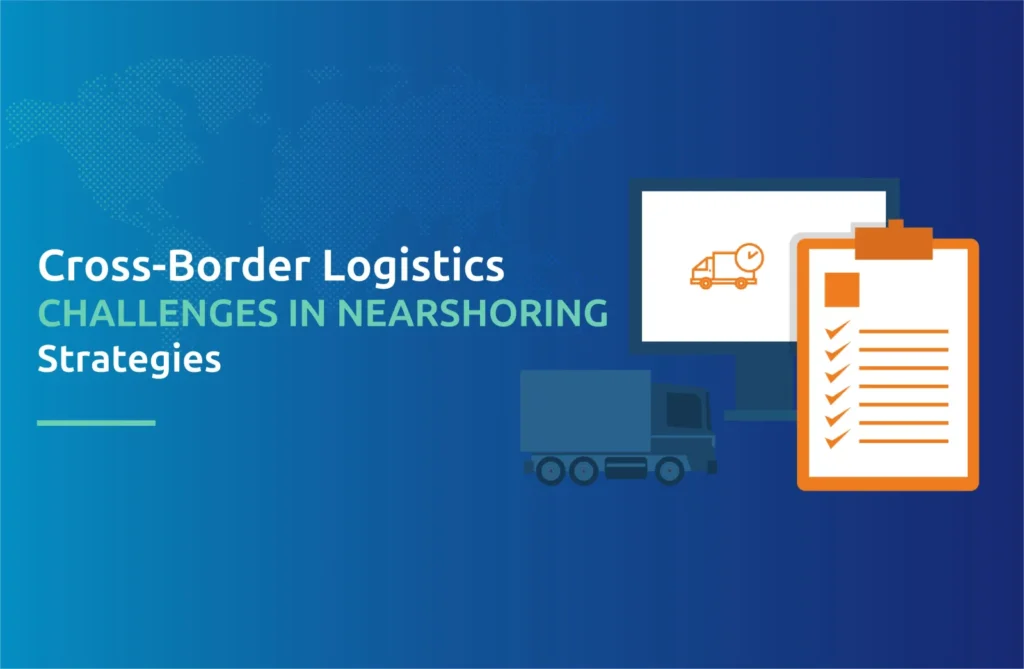
However moving production to where customers are does not automatically make supply chain problems go away. This includes coordinating transportation following regulations dealing with customs and handling paperwork. Businesses still have to handle logistics when shipping across borders. Supply chain risks are still a concern even if production is closer to end markets.
When we talk about supply chains we see that they are becoming more regional. This means that companies need to be able to move goods across borders easily. The supply chains that do this well are the ones that will do well. Companies that put money into logistics networks and make sure they can see everything that is going on and follow all the rules are the ones that can handle problems with trade. These companies can keep doing business and help their supply chains grow over time.
Why Nearshoring Is Reshaping Global Supply Chains
Nearshoring is changing how companies handle their supply chains. It means moving manufacturing and sourcing closer to where customers are. This is different from going which can take a long time to ship and is more likely to be disrupted. This reduces the risks that come with problems like tensions between countries, delays in shipping and changes in shipping costs. They can also see whats happening in their supply chain clearly. Nearshoring is a strategy, for businesses that want to improve their supply chains.
For businesses like automotive, IT, medical equipment and aviation getting parts on time is really important. Nearshoring helps these industries work better and make their supply chains more efficient. When companies bring their suppliers closer they can get things to customers faster. This makes customers happier. Helps companies deal with changes in the market. Nearshoring is good for industries, like automotive, IT, medical equipment and aviation because it makes their supply chains stronger.
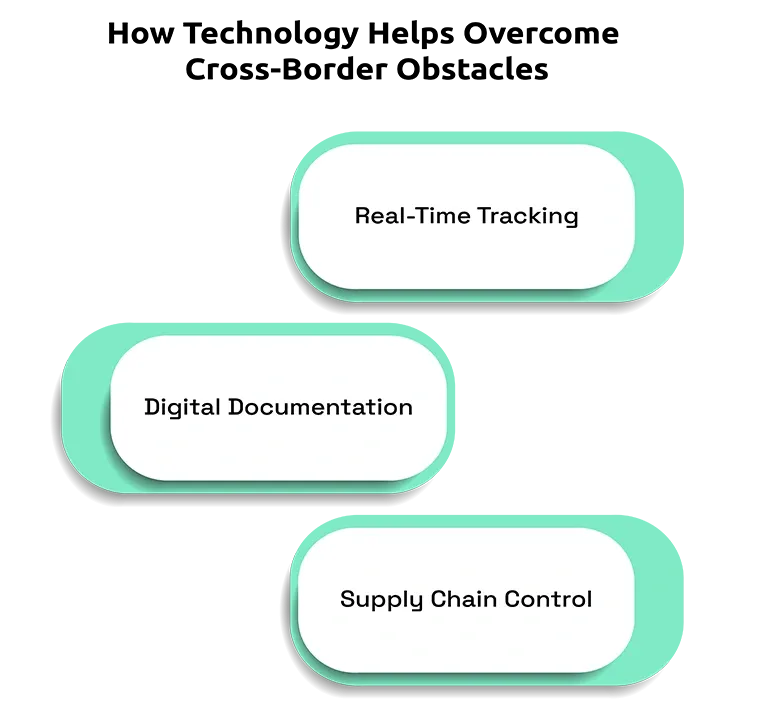
How Technology Helps Overcome Cross-Border Obstacles
Technology is really helping companies that have supply chains across borders and are using nearshoring. With real-time tracking businesses can see where their shipments are know if there will be delays and fix problems before they get big. This makes it easier to manage cargo movements and digital documents for trade are also a help. They reduce mistakes with paperwork. Make it faster to process things at the border. This is because all shipping records, invoices and compliance documents are easily available. Many companies use software to help with trade compliance, for import and export rules. This software helps them follow the rules avoid risks and keep records in different places.
In addition Transportation Management Systems help optimize route planning, carrier selection and freight costs. They also improve coordination among suppliers, warehouses and transportation providers. When combined with inventory and order management practices these technologies help businesses enhance supply chain optimization. They also help reduce border-related delays and improve the efficiency of freight services. Effective use of Transportation Management Systems enables businesses to better manage their freight costs.
Building a More Resilient Nearshoring Strategy
A good nearshoring plan needs a supply chain to make it work companies should not just move production close to their markets and they need to make sure their supply chain can handle problems. If one supplier or area has issues the company can still get what it needs and having warehouses in the region helps too.
Effective international freight services planning is crucial. It helps businesses find the transportation routes. They can also handle changes in capacity. Ensure goods move reliably across borders. Using Importer of Record Service and exporter of record services can make regulatory compliance easier. These services simplify customs processes. They reduce the work that comes with international trade. These strategies are especially helpful for companies in the IT, aviation and medical sectors. They help build supply chains that’re strong, efficient and ready for the future. International freight services planning and Importer of Record Service and exporter of record services are key. They enable businesses to adapt to changes and stay competitive.

Conclusion
Nearshoring is becoming a strategy for businesses that want their supply chains to be more resilient have shorter lead times and rely less on manufacturing hubs that are far away. This approach does not make supply chain problems go away; it just changes what they are. To get the most out of nearshoring companies need to handle things like moving goods across borders following regulations clearing customs and managing inventory well.
When companies, in the sector the IT sector, the medical sector and the aviation sector put money into transportation visibility they can make their supply chains better. They need to have compliance processes in place and they also need to use supply chain tools and make strategic logistics plans. The automotive sector, the IT sector, the medical sector and the aviation sector can then make supply chains that’re agile, efficient and ready for the future.
DID YOU KNOW
“Navigating cross-border supply chains involves complexities arising from regulatory, cultural, logistical, and risk-related factors. These challenges can significantly impact efficiency and profitability if not properly addressed.”
FAQs
1 .How do customs delays impact nearshoring lead times?
Physical transit is usually shorter, than shipping things across the ocean. However when people have to deal with a lot of paperwork by hand it can cause problems.
2. What are the main infrastructural bottlenecks at nearshore borders?
When there is a lot of trade in a region it can be too much for the highways and the trains to handle. The places where they deal with cargo get overwhelmed.
3. How can companies solve the skilled labor shortage in nearshoring countries?
To deal with the problem of workers wanting wages and the lack of skilled people in the states near the border companies that make things need to teach their workers new skills and work with local technical schools to find people who are qualified for the jobs, at these nearshoring operations.
4. How do security and cargo theft risks affect nearshoring logistics?
Nearshoring moves goods from ships to trucks and trains on roads, which makes them more vulnerable to theft and hijacking, by criminals.
5. How does nearshoring affect total logistics and transport costs?
When you nearshore you save on ocean freight. Then you have to pay for trucking, trains and fees to cross borders, which can eat into your savings. Nearshoring logistics costs and transport costs are affected by these fees.