How Global Supply Chains Are Changing in 2026

Global supply chains face a new operating reality – one defined by persistent volatility and disruptions embedded in the global economy. Leaders face a defining challenge: how can supply chains be designed to remain resilient, competitive, and investable when uncertainty is not temporary, but structural? Drawing on a multi-year collaboration between the World Economic Forum and Kearney, and informed by more than 100 expert consultations and insights from over 300 global executives, this report provides a practical, action-oriented playbook for corporate and public-sector leaders to navigate this shift. Supply chains in a protectionist world Supply chains are navigating a world that appears to be more protectionist than ever. In 2025, we saw how quickly things shift. Surprise policy changes-for instance, volatile tariff implications-and geopolitical tensions kept global networks on edge. Tariffs & shifting trade measures are estimated to have affected USD2.6 trillion in global imports. For India, the story ahead, from a policy standpoint, is equally important. The upcoming budget is expected to push harder on strengthening India’s trade position & help companies better navigate brittle supply chains. While trade with the US has been impacted, strategic policy amendments can help in long-term growth & stability. Customer-centric supply chains The dynamic nature of customer expectations is driving the development of customer-centric supply chains. In 2026, businesses are expected to mainly depend on customer data to tailor services according to individual preferences. About 50 per cent of supply chain leaders have identified customer-centric approaches as a key solution to improving customer experience. These strategies support not only reactive management but also proactive planning. Advanced consumer insights & data-driven analytics are enabling businesses to track real-time demand patterns & anticipate shifts in purchasing behavior across industries. In the electronics sector, companies use historical sales data, market trends, & predictive analytics to identify demand spikes for specific products—especially during high-consumption periods. A connected supply chain can adjust production timelines, component sourcing, and inventory in advance. If customers value responsibly sourced products, a customer-centric supply chain can respond easily by sourcing ethically & ensuring transparency while delivering. This helps increase profit margins & build long-term brand loyalty. Rise of Automation and Smart Logistics Automation in warehouses has advanced far beyond basic machinery, with intelligent robotic systems now handling picking, packing, and movement of goods with high speed and accuracy. These systems are designed to reduce manual effort, minimize errors, and improve overall efficiency in supply chain operations. These robots work quickly & help minimize manual effort. Some companies are also using self-driving vehicles & drones to deliver goods, especially for short distances. This helps save time & makes deliveries quicker. Smart inventory systems keep track of stock in real time. They help businesses know when items are low & when to restock, so products don’t run out or pile up. These technologies also minimize mistakes & improve accuracy. Automation & smart logistics help companies save time, cut costs, & deliver products more easily. How Businesses Can Build a More Resilient Supply Chain Businesses can build a more resilient supply chain by taking smart steps to minimize risks & stay prepared for disruptions. One key approach is creating backup supplier networks, so if one supplier faces issues, companies can quickly switch to another without stopping operations. Investing in risk management tools also helps businesses identify potential problems early & take action before they impact the supply chain. Managing safety stock for important products ensures there is always extra inventory available during delays or sudden increases in demand. Regularly reviewing and updating supply chain strategies helps companies stay flexible & adapt to changes in the market, regulations, or global conditions. By following these practices, businesses can minimize disruptions, improve stability, & keep their operations running easily. Conclusion In 2026, global supply chains are changing to become faster, smarter, & more easy. Companies are using new technology, working with more suppliers, & moving production closer to their customers. This helps them avoid delays & cover problems better. At the same time, businesses are also focusing on eco-friendly practices & following new rules. Companies that adapt to these changes can work more smoothly, deliver on time, and stay strong in a changing global market. Did you know? In 2026, companies that embrace agentic AI and act decisively will not only survive the chaos but also emerge stronger, ready to redefine what is possible in the supply chain. FAQ 1. What are the biggest changes in global supply chains in 2026? Global supply chains are becoming more flexible, technology-driven, and focused on sustainability. Businesses are using digital tools, diversifying suppliers, and moving production closer to key markets to reduce risks and improve efficiency. 2. Why are companies shifting to nearshoring and regional supply chains? Companies are adopting nearshoring to reduce transportation costs, avoid delays, and minimize risks from global disruptions. Producing goods closer to customers also helps improve delivery speed and reliability. 3. How is technology improving supply chains in 2026? Technologies like AI, automation, and real-time tracking are helping businesses monitor shipments, manage inventory, and predict demand more accurately. This leads to faster operations and better decision-making. 4. Why is sustainability important in modern supply chains? Sustainability helps companies reduce environmental impact by lowering carbon emissions and minimizing waste. It also meets growing customer and regulatory expectations for eco-friendly business practices. 5. How can businesses build a more resilient supply chain? Businesses can improve resilience by working with multiple suppliers, diversifying sourcing locations, using digital tools for better visibility, and staying updated with changing trade regulations.

Table of Contents

Global supply chains face a new operating reality – one defined by persistent volatility and disruptions embedded in the global economy. Leaders face a defining challenge: how can supply chains be designed to remain resilient, competitive, and investable when uncertainty is not temporary, but structural? Drawing on a multi-year collaboration between the World Economic Forum and Kearney, and informed by more than 100 expert consultations and insights from over 300 global executives, this report provides a practical, action-oriented playbook for corporate and public-sector leaders to navigate this shift.


Supply chains in a protectionist world

Supply chains are navigating a world that appears to be more protectionist than ever. In 2025, we saw how quickly things shift. Surprise policy changes-for instance, volatile tariff implications-and geopolitical tensions kept global networks on edge. Tariffs & shifting trade measures are estimated to have affected USD2.6 trillion in global imports.

For India, the story ahead, from a policy standpoint, is equally important. The upcoming budget is expected to push harder on strengthening India’s trade position & help companies better navigate brittle supply chains. While trade with the US has been impacted, strategic policy amendments can help in long-term growth & stability. 


Customer-centric supply chains

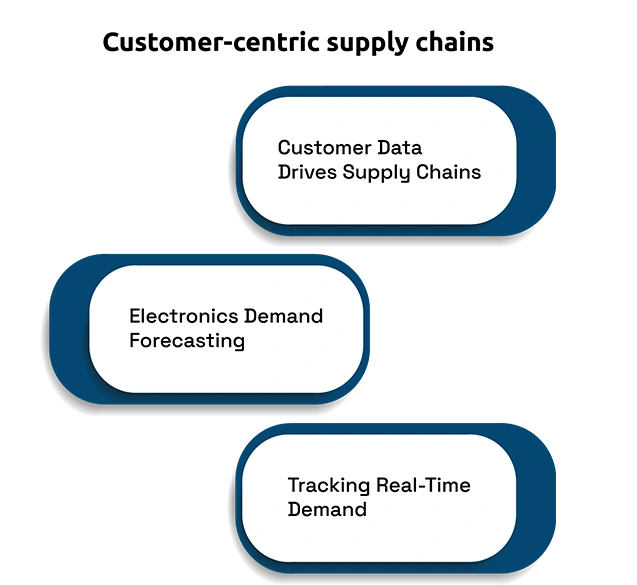
The dynamic nature of customer expectations is driving the development of customer-centric supply chains. In 2026, businesses are expected to mainly depend on customer data to tailor services according to individual preferences. About 50 per cent of supply chain leaders have identified customer-centric approaches as a key solution to improving customer experience. These strategies support not only reactive management but also proactive planning. 

Advanced consumer insights & data-driven analytics are enabling businesses to track real-time demand patterns & anticipate shifts in purchasing behavior across industries. In the electronics sector, companies use historical sales data, market trends, & predictive analytics to identify demand spikes for specific products—especially during high-consumption periods. A connected supply chain can adjust production timelines, component sourcing, and inventory in advance. If customers value responsibly sourced products, a customer-centric supply chain can respond easily by sourcing ethically & ensuring transparency while delivering. This helps increase profit margins & build long-term brand loyalty.
Global supply chains face a new operating reality – one defined by persistent volatility and disruptions embedded in the global economy. Leaders face a defining challenge: how can supply chains be designed to remain resilient, competitive, and investable when uncertainty is not temporary, but structural? Drawing on a multi-year collaboration between the World Economic Forum and Kearney, and informed by more than 100 expert consultations and insights from over 300 global executives, this report provides a practical, action-oriented playbook for corporate and public-sector leaders to navigate this shift.

Supply chains in a protectionist world
Supply chains are navigating a world that appears to be more protectionist than ever. In 2025, we saw how quickly things shift. Surprise policy changes-for instance, volatile tariff implications-and geopolitical tensions kept global networks on edge. Tariffs & shifting trade measures are estimated to have affected USD2.6 trillion in global imports.
For India, the story ahead, from a policy standpoint, is equally important. The upcoming budget is expected to push harder on strengthening India’s trade position & help companies better navigate brittle supply chains. While trade with the US has been impacted, strategic policy amendments can help in long-term growth & stability. 

Customer-centric supply chains

The dynamic nature of customer expectations is driving the development of customer-centric supply chains. In 2026, businesses are expected to mainly depend on customer data to tailor services according to individual preferences. About 50 per cent of supply chain leaders have identified customer-centric approaches as a key solution to improving customer experience. These strategies support not only reactive management but also proactive planning. 
Advanced consumer insights & data-driven analytics are enabling businesses to track real-time demand patterns & anticipate shifts in purchasing behavior across industries. In the electronics sector, companies use historical sales data, market trends, & predictive analytics to identify demand spikes for specific products—especially during high-consumption periods. A connected supply chain can adjust production timelines, component sourcing, and inventory in advance. If customers value responsibly sourced products, a customer-centric supply chain can respond easily by sourcing ethically & ensuring transparency while delivering. This helps increase profit margins & build long-term brand loyalty.
Rise of Automation and Smart Logistics
 Automation in warehouses has advanced far beyond basic machinery, with intelligent robotic systems now handling picking, packing, and movement of goods with high speed and accuracy. These systems are designed to reduce manual effort, minimize errors, and improve overall efficiency in supply chain operations. These robots work quickly & help minimize manual effort. Some companies are also using self-driving vehicles & drones to deliver goods, especially for short distances. This helps save time & makes deliveries quicker.
Smart inventory systems keep track of stock in real time. They help businesses know when items are low & when to restock, so products don’t run out or pile up. These technologies also minimize mistakes & improve accuracy. Automation & smart logistics help companies save time, cut costs, & deliver products more easily.
How Businesses Can Build a More Resilient Supply Chain
Businesses can build a more resilient supply chain by taking smart steps to minimize risks & stay prepared for disruptions. One key approach is creating backup supplier networks, so if one supplier faces issues, companies can quickly switch to another without stopping operations. Investing in risk management tools also helps businesses identify potential problems early & take action before they impact the supply chain.
Managing safety stock for important products ensures there is always extra inventory available during delays or sudden increases in demand. Regularly reviewing and updating supply chain strategies helps companies stay flexible & adapt to changes in the market, regulations, or global conditions. By following these practices, businesses can minimize disruptions, improve stability, & keep their operations running easily.

Conclusion
In 2026, global supply chains are changing to become faster, smarter, & more easy. Companies are using new technology, working with more suppliers, & moving production closer to their customers. This helps them avoid delays & cover problems better.
At the same time, businesses are also focusing on eco-friendly practices & following new rules. Companies that adapt to these changes can work more smoothly, deliver on time, and stay strong in a changing global market.

Did you know?
In 2026, companies that embrace agentic AI and act decisively will not only survive the chaos but also emerge stronger, ready to redefine what is possible in the supply chain.

FAQ
1. What are the biggest changes in global supply chains in 2026?
Global supply chains are becoming more flexible, technology-driven, and focused on sustainability. Businesses are using digital tools, diversifying suppliers, and moving production closer to key markets to reduce risks and improve efficiency.
2. Why are companies shifting to nearshoring and regional supply chains?
Companies are adopting nearshoring to reduce transportation costs, avoid delays, and minimize risks from global disruptions. Producing goods closer to customers also helps improve delivery speed and reliability.
3. How is technology improving supply chains in 2026?
Technologies like AI, automation, and real-time tracking are helping businesses monitor shipments, manage inventory, and predict demand more accurately. This leads to faster operations and better decision-making.
4. Why is sustainability important in modern supply chains?
Sustainability helps companies reduce environmental impact by lowering carbon emissions and minimizing waste. It also meets growing customer and regulatory expectations for eco-friendly business practices.
5. How can businesses build a more resilient supply chain?
Businesses can improve resilience by working with multiple suppliers, diversifying sourcing locations, using digital tools for better visibility, and staying updated with changing trade regulations.

Rise of Automation and Smart Logistics

 Automation in warehouses has advanced far beyond basic machinery, with intelligent robotic systems now handling picking, packing, and movement of goods with high speed and accuracy. These systems are designed to reduce manual effort, minimize errors, and improve overall efficiency in supply chain operations. These robots work quickly & help minimize manual effort. Some companies are also using self-driving vehicles & drones to deliver goods, especially for short distances. This helps save time & makes deliveries quicker.

Smart inventory systems keep track of stock in real time. They help businesses know when items are low & when to restock, so products don’t run out or pile up. These technologies also minimize mistakes & improve accuracy. Automation & smart logistics help companies save time, cut costs, & deliver products more easily.


Customs Compliance Challenges in Shipping Aircraft Components Internationally Global supply chains face a new operating reality – one defined by persistent volatility and disruptions embedded in the global economy. Leaders face a defining challenge: how can supply chains be designed to remain resilient, competitive, and investable when uncertainty is not temporary, but structural? Drawing on a multi-year collaboration between the World Economic Forum and Kearney, and informed by more than 100 expert consultations and insights from over 300 global executives, this report provides a practical, action-oriented playbook for corporate and public-sector leaders to navigate this shift.

Supply chains in a protectionist world
Supply chains are navigating a world that appears to be more protectionist than ever. In 2025, we saw how quickly things shift. Surprise policy changes-for instance, volatile tariff implications-and geopolitical tensions kept global networks on edge. Tariffs & shifting trade measures are estimated to have affected USD2.6 trillion in global imports.
For India, the story ahead, from a policy standpoint, is equally important. The upcoming budget is expected to push harder on strengthening India’s trade position & help companies better navigate brittle supply chains. While trade with the US has been impacted, strategic policy amendments can help in long-term growth & stability. 

Customer-centric supply chains

The dynamic nature of customer expectations is driving the development of customer-centric supply chains. In 2026, businesses are expected to mainly depend on customer data to tailor services according to individual preferences. About 50 per cent of supply chain leaders have identified customer-centric approaches as a key solution to improving customer experience. These strategies support not only reactive management but also proactive planning. 
Advanced consumer insights & data-driven analytics are enabling businesses to track real-time demand patterns & anticipate shifts in purchasing behavior across industries. In the electronics sector, companies use historical sales data, market trends, & predictive analytics to identify demand spikes for specific products—especially during high-consumption periods. A connected supply chain can adjust production timelines, component sourcing, and inventory in advance. If customers value responsibly sourced products, a customer-centric supply chain can respond easily by sourcing ethically & ensuring transparency while delivering. This helps increase profit margins & build long-term brand loyalty.
Rise of Automation and Smart Logistics
 Automation in warehouses has advanced far beyond basic machinery, with intelligent robotic systems now handling picking, packing, and movement of goods with high speed and accuracy. These systems are designed to reduce manual effort, minimize errors, and improve overall efficiency in supply chain operations. These robots work quickly & help minimize manual effort. Some companies are also using self-driving vehicles & drones to deliver goods, especially for short distances. This helps save time & makes deliveries quicker.
Smart inventory systems keep track of stock in real time. They help businesses know when items are low & when to restock, so products don’t run out or pile up. These technologies also minimize mistakes & improve accuracy. Automation & smart logistics help companies save time, cut costs, & deliver products more easily.
How Businesses Can Build a More Resilient Supply Chain
Businesses can build a more resilient supply chain by taking smart steps to minimize risks & stay prepared for disruptions. One key approach is creating backup supplier networks, so if one supplier faces issues, companies can quickly switch to another without stopping operations. Investing in risk management tools also helps businesses identify potential problems early & take action before they impact the supply chain.
Managing safety stock for important products ensures there is always extra inventory available during delays or sudden increases in demand. Regularly reviewing and updating supply chain strategies helps companies stay flexible & adapt to changes in the market, regulations, or global conditions. By following these practices, businesses can minimize disruptions, improve stability, & keep their operations running easily.

Conclusion
In 2026, global supply chains are changing to become faster, smarter, & more easy. Companies are using new technology, working with more suppliers, & moving production closer to their customers. This helps them avoid delays & cover problems better.
At the same time, businesses are also focusing on eco-friendly practices & following new rules. Companies that adapt to these changes can work more smoothly, deliver on time, and stay strong in a changing global market.

Did you know?
In 2026, companies that embrace agentic AI and act decisively will not only survive the chaos but also emerge stronger, ready to redefine what is possible in the supply chain.

FAQ
1. What are the biggest changes in global supply chains in 2026?
Global supply chains are becoming more flexible, technology-driven, and focused on sustainability. Businesses are using digital tools, diversifying suppliers, and moving production closer to key markets to reduce risks and improve efficiency.
2. Why are companies shifting to nearshoring and regional supply chains?
Companies are adopting nearshoring to reduce transportation costs, avoid delays, and minimize risks from global disruptions. Producing goods closer to customers also helps improve delivery speed and reliability.
3. How is technology improving supply chains in 2026?
Technologies like AI, automation, and real-time tracking are helping businesses monitor shipments, manage inventory, and predict demand more accurately. This leads to faster operations and better decision-making.
4. Why is sustainability important in modern supply chains?
Sustainability helps companies reduce environmental impact by lowering carbon emissions and minimizing waste. It also meets growing customer and regulatory expectations for eco-friendly business practices.
5. How can businesses build a more resilient supply chain?
Businesses can improve resilience by working with multiple suppliers, diversifying sourcing locations, using digital tools for better visibility, and staying updated with changing trade regulations.
How Businesses Can Build a More Resilient Supply Chain

Businesses can build a more resilient supply chain by taking smart steps to minimize risks & stay prepared for disruptions. One key approach is creating backup supplier networks, so if one supplier faces issues, companies can quickly switch to another without stopping operations. Investing in risk management tools also helps businesses identify potential problems early & take action before they impact the supply chain.

Managing safety stock for important products ensures there is always extra inventory available during delays or sudden increases in demand. Regularly reviewing and updating supply chain strategies helps companies stay flexible & adapt to changes in the market, regulations, or global conditions. By following these practices, businesses can minimize disruptions, improve stability, & keep their operations running easily.


Conclusion

In 2026, global supply chains are changing to become faster, smarter, & more easy. Companies are using new technology, working with more suppliers, & moving production closer to their customers. This helps them avoid delays & cover problems better.

At the same time, businesses are also focusing on eco-friendly practices & following new rules. Companies that adapt to these changes can work more smoothly, deliver on time, and stay strong in a changing global market.


Did you know?

In 2026, companies that embrace agentic AI and act decisively will not only survive the chaos but also emerge stronger, ready to redefine what is possible in the supply chain.


FAQ

1. What are the biggest changes in global supply chains in 2026?

Global supply chains are becoming more flexible, technology-driven, and focused on sustainability. Businesses are using digital tools, diversifying suppliers, and moving production closer to key markets to reduce risks and improve efficiency.

2. Why are companies shifting to nearshoring and regional supply chains?

Companies are adopting nearshoring to reduce transportation costs, avoid delays, and minimize risks from global disruptions. Producing goods closer to customers also helps improve delivery speed and reliability.

3. How is technology improving supply chains in 2026?

Technologies like AI, automation, and real-time tracking are helping businesses monitor shipments, manage inventory, and predict demand more accurately. This leads to faster operations and better decision-making.

4. Why is sustainability important in modern supply chains?

Sustainability helps companies reduce environmental impact by lowering carbon emissions and minimizing waste. It also meets growing customer and regulatory expectations for eco-friendly business practices.

5. How can businesses build a more resilient supply chain?

Businesses can improve resilience by working with multiple suppliers, diversifying sourcing locations, using digital tools for better visibility, and staying updated with changing trade regulations.
Share this Article

Facebook
X
WhatsApp
LinkedIn
Email
Telegram
Print

Know Your Import and Export Costs in 47 Seconds.
Ship With Confidence.

1000+ companies now know their exact duty, VAT, and IOR costs before they ship, not when customs holds their cargo hostage. Join them.

Related Articles

Introduction The fast growth of artificial intelligence, cloud computing, & digital change is increasing the need for hyperscale data centers around the world. Building these large facilities needs transporting costly…

Introduction The quick growth of artificial intelligence is driving a global demand for updated computing networks. Businesses, cloud providers, research institutions, & technology companies are building large-scale AI development that…

Introduction AI is growing investments in advanced technology systems across industries. As demand for AI server systems, GPUs, storage systems, & networking equipment continues to grow, businesses must manage highly…

Get a Quote