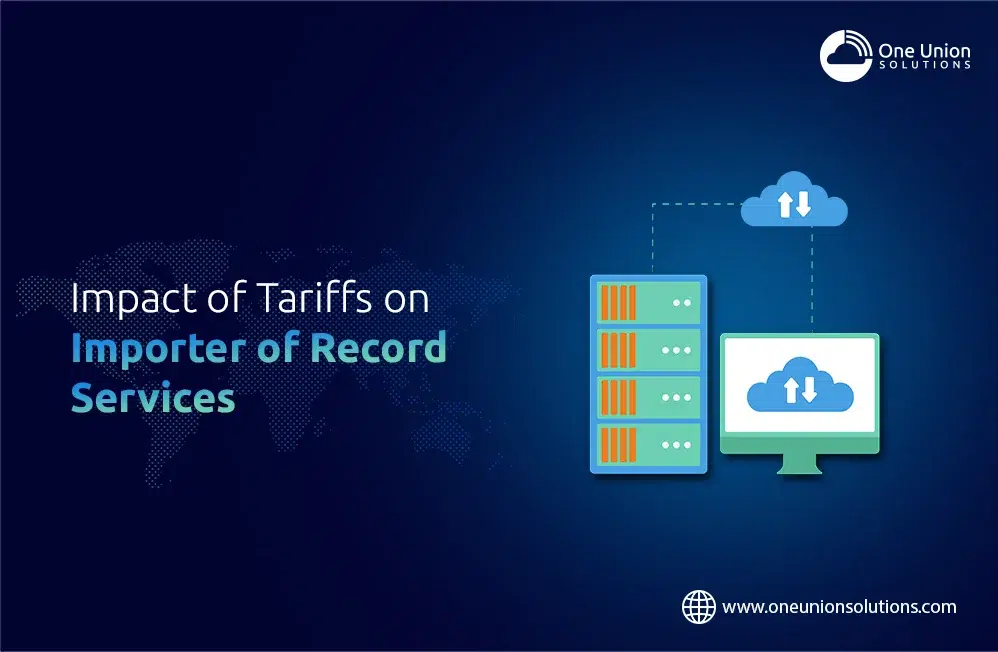
Global trade is complicated and always altering. Industries must comprehend how taxation influences importers of record services, which manages customs laws and importing equipment into a nation. Tariffs are taxes on imported commodities that can intensely influence industries included in global trade. This article examines the basics of taxation, the role of the importer of record (IOR) services, and how taxes influence these IOR services.
In today’s dynamic global trade environment, importer of record services play a vital role in helping businesses across sectors such as technology and medical, guiding difficult taxation systems. With shifting tariff regulations and increased scrutiny from customs officials, organizations must depend on trusted importer of record solutions to manage agreements, documentation, and cost optimization. If it’s importing specialized tech equipment or sensitive medical devices, these services confirm smooth customs clearance while minimizing the impact of taxation on operations and profitability.
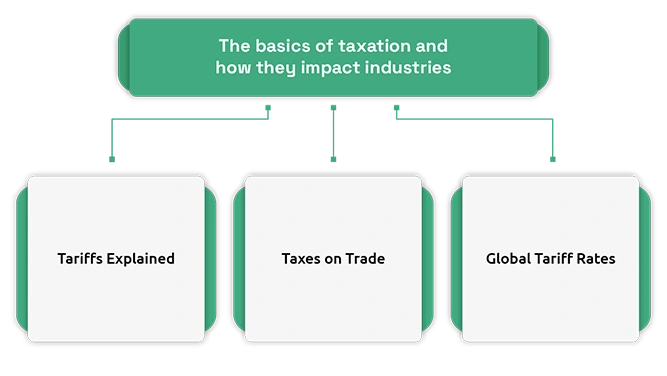
The basics of taxation and how they impact industries
Tariffs are taxes that governments charge on imported goods. They can protect industries like medical, tech, aviation, and automotive, bring in revenue, or help balance trade issues. These taxes can be a percentage of the item’s value or a fixed amount per unit. The rates vary from country to country and can change based on customs rules and agreements.
Tariffs have a big impact on companies involved in global trade. Higher tariffs increase the cost of imported products, making them less competitive and reducing sales and market share. Businesses may need to change their pricing strategies, which can affect their position in the market. Tariffs can also disrupt supply chains, create logistical problems, and lead to delays for importers.
Comprehension importer of record services and their role in multinational trade
Importers of record services are necessary for multinational trade as they oversee customs compliance, documentation, authorizations, licenses, and tariff expenditures. They act as a trustworthy mediator between industries and trade administrations to provide smooth importation procedures.
The influence of taxations on IOR services
Taxations strongly influence importers of record services by boosting the expenditure of imported items and forcing adjustments to cost. This can influence profitability, as taxes are complicated and continually altering, making it hard to calculate and organize surcharges and duties payable appropriately.
IOR services face considerable executive challenges due to taxes. These entities should comply with trade statutes and fulfill all necessary documentation correctly. Taxations can lead to more documentation and augmented scrutiny from customs administrations, causing uncertainties in processing, lengthier clearance duration, and increased administrative expenditures for the IOR services.
Challenges faced by importers of record due to taxes
Importers of record struggle with the apprehension of taxation, as administrations can modify them unexpectedly and without caution. This makes it difficult for importers to schedule and produce notified judgments. To stay on top of items, they must continually scrutinize custom approaches and adjust their techniques accordingly.
Retaliatory taxation can lead to trade combats, causing importers to face high taxation, more executive work, and disrupted supply chains. These challenges can significantly influence their industry’s viability and profitability.
How Tariffs Affect Customs Duties and Import Costs for IOR Services
Tariffs can increase the customs duties and import costs paid when goods enter a country. The amount depends on the product, HS code, customs value, country of origin, and applicable tariff rate. Higher tariffs can increase the total landed cost of imported equipment.
IOR services help businesses manage customs declarations, duty and tax requirements, and related import documents. Businesses should check current tariff rates before shipping because rates and trade rules can change by country and product.
Techniques to mitigate the influence of taxations on importers of record services
Businesses can reduce the impact of tariffs on their Importer of Record services by expanding their supply chains. By sourcing products from multiple countries, companies can decrease their reliance on a single market & reduce the effects of taxes imposed by specific nations. This approach also opens up new markets & alternative sourcing options.
Another effective strategy is proactive planning. Importers can collaborate with experts to assess how taxes will affect their operations and develop backup plans. This might include finding new suppliers or shifting operations to countries with more favorable customs procedures. By staying ahead of potential changes in taxation, importers can adjust their strategies accordingly and minimize disruptions to their business.
Conclusion
In a market influenced by taxes, importers must stay informed and flexible. Taxes affect the cost, difficulty, and overall process of bringing equipment into a country. By understanding taxes, IOR services, and common challenges, businesses can manage international trade more smoothly.
One Union Solutions is a trusted Importer of Record (IOR) partner for industries like medical, aviation, tech, and automotive. By working with One Union Solutions, companies can simplify their import process and focus on their core operations. We help businesses handle tax-related issues and ensure smooth customs clearance and compliance.
Did You Know
The 2025 tariffs have raised an estimated $214.7 billion in inflation-adjusted customs revenue above the 2022–2024 average as of February 2026, with the effective tariff rate reaching 10.6% in January 2026.
FAQs
Can industries utilize IOR services to assist industries in complying with tax laws?
IOR services assist industries in complying with tax laws and handling duty payments. One Union Solutions assists medical, aviation, automotive, and tech industries by taking responsibility for importing procedures.
Can IOR services handle tariff paperwork and documentation?
One Union Solutions provides a cost-effective IOR service that handles tax paperwork and documentation. Our experts handle tasks like tax categories, customs statements, duty analyses, and regulatory provisions.
How can One Union Solutions aid with taxation and IOR services for corporations?
One Union Solutions is a reliable corporation specializing in trades and custom compliance. We will assist businesses with tariff categories, custom compliance, customs documentation, and cost optimization techniques.
Are there methods to mitigate taxation impact when utilizing IOR services?
Industries can evaluate various techniques to mitigate the influence of taxation, such as optimizing supply chain routes, analyzing duty drawback alternatives and sources, examining exemptions or exclusions for their commodities, and engaging in advocacy endeavors to impact taxation approaches.
How do tariffs influence enterprises employing IOR services?
Taxations can significantly influence corporations that depend on importing items, boosting expenditures and disrupting supply chains. One Union Solutions assists in comprehending taxation implications and expanding techniques to minimize these added expenditures.