Air Cargo Security: The Critical Role
Air cargo security is essential in transporting IT, aviation, automobile, and health care equipment across international boundaries. These sectors depend on the safe, timely delivery of goods to sustain the necessary operations. It is crucial to prevent theft, damage, or regulatory concerns of high-value and sensitive cargo. The risk of theft and compliance threatens international shipping. Proper air cargo security contributes to efficient supply chains in the competitive world by ensuring that deliveries to the destination are in the right condition and at the appropriate time.
The Evolution of Air Cargo Security
The history of air cargo security started with the primitive physical inspections and restricted entry to the cargo. The new threats and technological developments also changed protocols over the years. In the modern world, security consists of screening based on risk, high-quality scanning, and constant follow-up from the time of acceptance at the airport to delivery. Such changes are handled by ICAO, TSA, &IATA regulations, which aim to safeguard valuable equipment like medical equipment, aviation components, and IT services without stopping transport without any justification.

Air Cargo Security: Balancing Speed and Safety in Global Shipping
Threats include theft, sabotage of shipping sensitive equipment, such as IT hardware, aviation parts, and healthcare devices. Airports have been able to curb these risks through strict control of people’s entry in cargo areas, trained security personnel, and 24/7 CCTV surveillance. Artificial intelligence enables X-ray machines to scan in detail so that concealed threats can be easily identified without slowing operations. Digital tracking software will track all shipments’ positions and status to identify suspicious activity immediately. Employees are also trained continuously on how to deal with security issues effectively. All these layers of protection ensure the safety of precious cargo on the way.
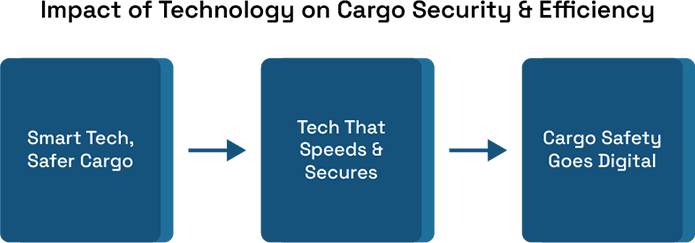
How does technology improve cargo security and efficiency?
Technology improves cargo security and efficiency by making operations faster and safer. AI-powered X-ray scanners detect hidden threats quickly and accurately. This reduces the need for more time consuming manual checks. Drones help monitor cargo areas and warehouses for suspicious activity. Real time tracking systems provide full visibility of shipments. They alert operators about any unusual movements or risks. Automation helps manage large cargo volumes smoothly. These tools reduce delays and improve accuracy. Advanced data analytics also helps predict risks before they happen.
Maintaining International Rule and Compliance
Air cargo security has to conform to global standards of ICAO, TSA, & IATA, as they state that screening, paperwork, and staffing verifications are conducted to ensure the same security standards across the globe. Compliance prevents shipment stops, fines, or customs rejections.
One Union Solutions provides expert customs broker duties and import compliance services, ensuring full adherence to these complex rules. They manage customs duty management and import-export registration for smooth, lawful movement of equipment. This expertise saves time and cost, helping clients avoid compliance pitfalls.
The Balance Between Security and Speed in Global Trade
While safety is critical, security procedures should not cause unnecessary slowdowns. Optimizing with automation and risk-based screening targets thorough checks only on high-risk shipments while rapidly clearing routine cargo. This approach is crucial for time-sensitive healthcare devices or aviation components requiring prompt delivery. Effective logistics management reduces demurrage fees and keeps supply chains reliable. One Union Solutions leverages industry best practices to maintain this balance, ensuring shipments clear efficiently without sacrificing security.
Real-Life Success: How Airports Secure Specialized Equipment
Across the globe, airports have upgraded cargo zones with tighter access control and continuous monitoring for sensitive IT, medical, and aviation shipments. They train staff rigorously in security protocols and emergency handling. Integrating AI screening technologies and digital shipment tracking speeds cargo flow while strengthening protection. These measures have lowered theft and damage incidents significantly. Such case studies prove that merging technology with expertise builds trust and reliability in international equipment transport.
The Future of Air Cargo Security
Future air cargo security will utilize smart tools to make transportation safer and faster. AI can spot them. Blockchain keeps shipments data safe and clear. Sensors track temperature and movement in real time. Drones can inspect cargo without putting workers at risk. Simply put, these technologies help keep valuable and sensitive goods safe and deliver them quickly and smoothly.
Conclusion
One Union Solutions offers comprehensive freight forwarding and customs brokerage focused on IT, aviation, automobile, and healthcare equipment. Our importer of record expertise guarantees regulatory compliance and diligent customs duty management. By combining deep trade compliance knowledge with advanced security solutions, we provide trusted, efficient transport. Partnering with One Union Solutions ensures shipments balance speed, safety, and full compliance for global success.
Did you know?
The global air cargo security and screening systems market reached nearly $1 billion in 2024 and is forecast to grow to $1.53 billion by 2033
FAQ’s
1. What is the importer of record service?
The importer of record legally ensures shipments meet local import regulations and duties. One Union Solutions manages this to prevent clearance issues and delays.
2. How do AI and digital tracking improve air cargo security?
AI enhances threat detection in scans, while digital tracking offers real-time visibility, speeding up response to potential risks.
3. Why must air cargo follow ICAO, TSA, and IATA standards?
Air cargo follows ICAO, TSA, and IATA standards to ensure safety, prevent security risks, enable smooth global shipping, and avoid delays or fines.
4. What are the key steps to protect high-value equipment in transit?
Use proper packaging, temperature control if needed, secure handling, and real-time tracking to keep sensitive equipment safe during shipping.
5. What special care is needed for healthcare equipment shipments?
Healthcare shipments require controlled handling, temperature monitoring, and timely delivery to maintain effectiveness and compliance.