
The Complexity of Shipping Aviation Parts
Transporting aviation components requires additional attention since they are delicate and valuable. They are very strict in packaging and transportation to avoid damage and accidents. A freight forwarder coordinates complex logistics in close collaboration with the airports and the customs. All regulatory requirements should be observed to ensure they are met on time to avoid unnecessary downtime of operation, which is costly. A thorough understanding of aviation parts logistics is needed, which makes it easy to handle and reliable in the supply chain. Airports all over the globe are improving their facilities and procedures to address such compound requirements.
The Significance of Specialized Learning in Freight Forwarding
An aviation-trained freight forwarder knows the security and efficiency in managing aircraft parts. Such knowledge encompasses proper packaging, transportation conditions, and customs regulations to guarantee compliance with the import-export laws. The task of a customs broker and import compliance services is less time-consuming and minimizes penalties. The knowledge of the HS code of classification and tariffs assists in the clearance process. The expertise ensures the safety and timely delivery of delicate aviation equipment. It eliminates delays in the operations of the airlines.
Key Challenges and Solutions in Freight Forwarding for Aviation Parts
Freight forwarding for aviation parts must overcome challenges like strict customs duty management and regulatory compliance. Accurately completing import export registration and import documentation service is essential. Fragile and expensive parts require white glove delivery and specialized shipment care to prevent damage during handling and transit. Any delays or mishandling may lead to higher costs and setbacks. High-level digital tracking systems offer real-time availability, which can lead to prompt fixation of problems. Implementing DDP incoterms in the transactions will clarify everything and clarify the responsibilities and costs involved in the dealings.
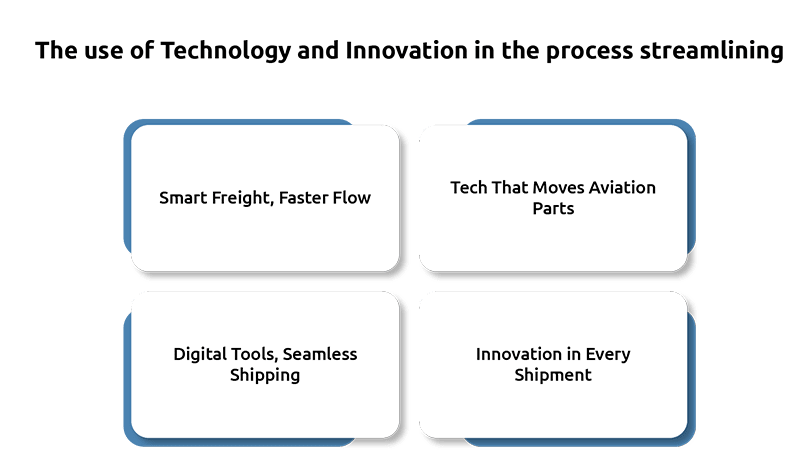
The use of Technology and Innovation in the process streamlining
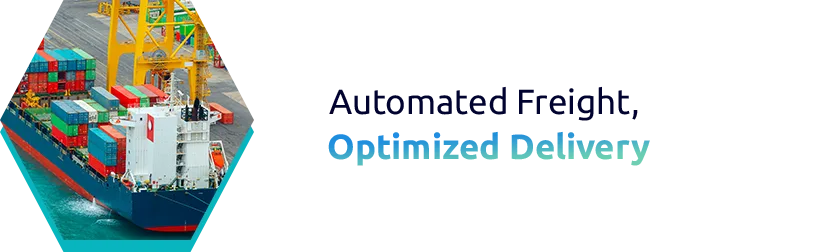
Aviation parts freight forwarding is automated and optimized with the assistance of technology. Calculators like the volumetric weight calculator and the air freight chargeable weight calculator will correct the freight’s calculation and invoicing.
The digital tracking systems give live updates of the position of the shipment from the warehouse to the destination. Warehouse management systems enhance warehousing and inventory management, minimizing errors.
Automation also enhances the speed of customs clearance, which is advantageous to the delivery service of aviation parts that require urgency. These technological innovations provide better supply chain management, work efficiency, and customer satisfaction.
How to Choose the Freight Forwarder: What to Pay Attention to?
When selecting a freight forwarder for aviation parts, the focus is on experience and certification in aviation logistical terms. A qualified forwarder is a freight forwarding service and is familiar with the specifics of regulatory compliance and customs clearance. The key ones are proficiency in cargo forwarding, end-to-end export services, and high-value equipment customised freight solutions. A forwarder’s trustworthiness and good reputation will ensure that your deliveries get the attention they need and are delivered on time. Find detailed import compliance services and registration of import export licenses to prevent compliance problems.
The Impact on Airlines and OEMs: Benefits of Expert Freight Service
Expert freight forwarding improves supply chain efficiency by shortening transit times and lowering risks for airlines and original equipment manufacturers. Cost-effective and reliable logistics minimize aircraft downtime and optimize part availability. Specialized freight forwarding offers white glove delivery service and specialized shipment care to protect fragile components. This results in better inventory management and quicker deployment of aviation parts. Enhanced global trade facilitation from expert freight forwarding supports operational excellence and business growth in the aviation industry.
How One Union Solutions Ensures Safety and Efficiency
One Union Solutions provides expert freight forwarding tailored specifically for aviation equipment. Our expertise in import compliance services, customs broker responsibilities, and customs duty management ensures smooth customs clearance and regulatory compliance. By combining advanced technology with white glove delivery service, One Union Solutions guarantees secure handling of sensitive aviation parts. With a global network and deep industry knowledge, we deliver safe, timely, & compliant freight forwarding solutions worldwide.
Did You Know,
The global air freight forwarding market is projected to reach $220 billion by 2026, driven significantly by growing demand for careful shipping of aviation and other high-value equipment.
FAQ’s
Why is aviation parts shipping so complicated?
Aviation equipment is delicate and expensive. The special packaging, accurate documentation of customs, adherence to strict rules and regulations are necessary to deliver products safely and on time.
What is the importance of specialized knowledge in forwarding aviation parts?
An aviation-trained freight forwarder manages complicated customs, tariffs, and handling regulations, minimizes waiting times, and preserves parts during transportation.
What benefits does tech nology have for aviation freight forwarding?
Online tracking systems with automation devices allow for measuring the freight properly, tracking the shipment in real-time, clearing customs faster, and adding efficiency.
What should I consider when selecting a freight forwarder for aviation parts?
Aviation logistics search, cargo clearance capability, trade compliance expertise, qualifications, and a worldwide network offering end-to-end logistic solutions.
What advantages does expert forwarding give to airlines and OEMs?
It reduces transit times, delivers sensitive components by white glove, reduces downtimes, enhances inventory management, and reduces the general logistics expenses.