Introduction
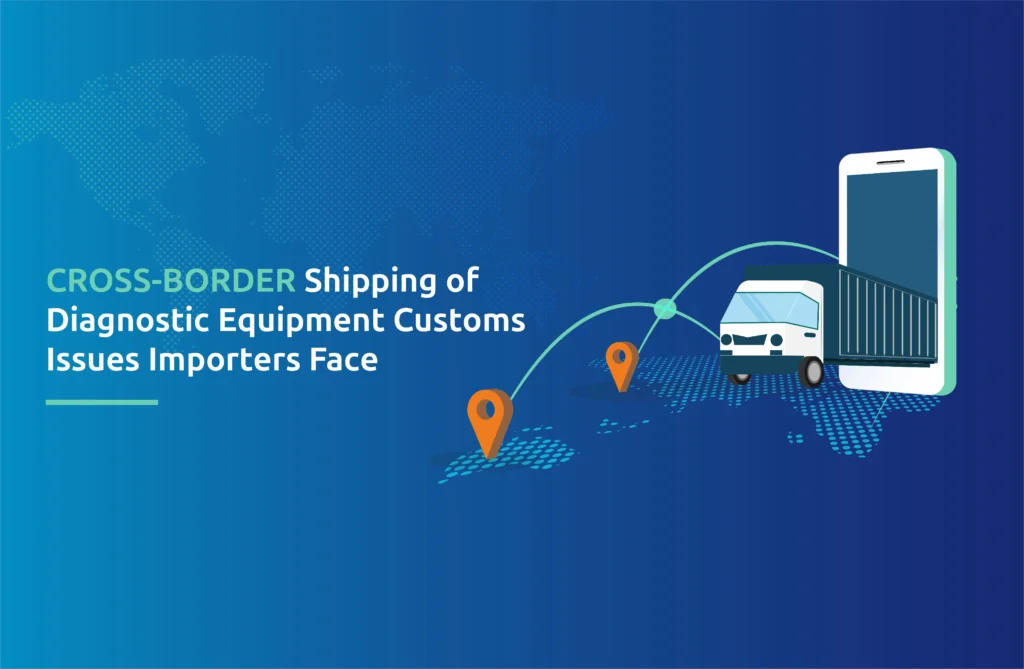
Hospitals and labs will depend increasingly on diagnostic tools including CT scanners, MRI equipment, X-ray equipment, and lab detectors in 2026. Customs documents, HS code classification, import taxes, and medical device rules can make shipping this equipment across borders difficult. Importers in India need also get the required licenses and check any applicable CDSCO rules. Preparing these needs before of shipment makes sure for faster imports of diagnostic equipment, reduces customs problems, and avoids delays.
What Makes Cross-Border Shipping of Diagnostic Equipment Challenging?
In 2026, deliver diagnostic equipment globally requires careful planning due to different import rules, customs process, and medical device rules in every country. Correct documents can be prepared, & importers work with freight forwarders, suppliers, and customs brokers.
To avoid damage, equipment like laboratory tests, CT scans, & MRI scanners should be packed properly and handle carefully. Customs delays and extra costs can cause incomplete approvals, missing documents, or incorrect HS codes. Companies can handle these difficulty and make sure smooth cross-border shipping with the use of efficient medical equipment import logistics.
What Customs Issues Do Importers Face When Shipping Diagnostic Equipment?
It can be challenging to import diagnostic equipment across borders in 2026 because of different customs rules, missing documents, & product permission need. To avoid incorrect duty calculations and customs requests, importers need the correct HS code based on the standards and use of the equipment. Correct details are included in documents like commercial invoice, packing list, Air Waybill or Bill of Lading, and Bill of Entry for imports into India. According to India’s Medical Devices Rules, 2017, importers must also decide whether CDSCO permit or a medical device import license is required.
Some equipment can require specific permission due to its properties, such as radiation or wireless technology. Product value, classification, country of origin, and specific rules all affect customs costs and taxes. Also, importers can handle duties of the shipments, freight forwarder, customs broker, and Importer of Record (IOR). Customs problems, extra costs, & delays can be reduced by verify these rules before shipment.
How Destination Country Regulations Affect Diagnostic Equipment Imports
Many countries have different import rules for diagnostic equipment. As country require exta technical documents, others may require product approval, import licenses, & specific labels. For example, before importing medical devices into India, importers are require to check the related CDSCO rules. Medical device safety, licensing, and label rules are also handle by the EU and the UK.
Equipment that has been regulated in specific country is not required to qualify for entry into others. Importers are required to verify whether the goods follows local safety rules and whether any extra approval is required. Before shipment, they check the required documents, product details, and label rules. Companies can avoid delays, extra costs, & customs issues by checking the current international medical device import rules before planning shipment. Working with providers and customs brokers is also make simple with careful planning.
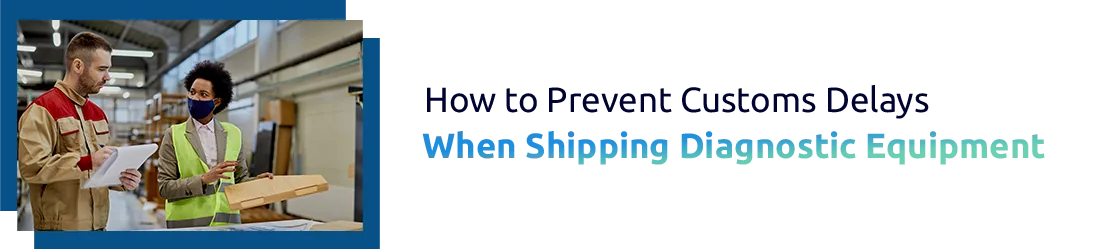
How to Prevent Customs Delays When Shipping Diagnostic Equipment
In 2026, importers can avoid extra costs and reduce customs delays for medical equipment with careful planning. Companies can check the product details, correct HS code, import rules, & required permission for the target country before shipping. The commercial invoice, packing list, and transport documents can be prepare correctly, and they make sure that all detail matches the real shipment.
Also, importers should check that the importing company has the required licenses and follows local rules. Sensitive equipment can be secured during shipments by selecting correct air or sea freight, using proper packaging, and planning a safe delivery. For the loading, unloading, and delivery of large equipment to their location, proper planning required.
Document problems can be solve fast by working closely with providers, logistics partners, and customs brokers. Invoices, approval records, and technical details should be placed on hand by importers when customs requires more details. Companies can better control every step, avoid common mistakes, and reduce needless delays by using a diagnostic equipment shipping check before to delivery.
How an Importer of Record Service Supports Diagnostic Equipment Shipments
Companies can import diagnostic devices into a different country by using an IOR service, which checks the required documents and local import rules. To make sure that the import can continue to follow local rules, the IOR checks the equipment, location, and companies involve before taking a shipment. Also, it helps in checking product details, invoices, and other customs documents. To avoid mistakes during shipment and customs clearance, the IOR, customs broker, and freight forwarder must be prepared for their tasks. When local rules permit such a plan, IOR for medical equipment can be helpful for companies without a local company in the target country. IOR services, however, do not take the place of required CDSCO licenses, product checks, or customs broker services. Companies can plan the cargo and avoid common import issues by checking everything before shipping.
Conclusion
Proper documents and careful planning are required for the cross-border shipping of diagnostic equipment. Customs delays & extra costs may result from incorrect HS codes or incorrect product values. Before shipping, importers should check local rules and prepare documents. One Union Solutions helps companies plan for shipments of diagnostic equipment and handle import requirements by providing IOR services and cross-border logistical support.
Did you know
The market was valued at USD 40.1 Billion in 2025 and is projected to reach USD 124.5 Billion by 2034, growing at a CAGR of 12.73% during 2026-2034.
FAQ
Does every diagnostic device need a CDSCO import licence in India?
Not every device follows the same process. Importers must check the device type, classification, and applicable CDSCO rules before shipping.
What documents are needed to ship diagnostic equipment internationally?
Common documents include a commercial invoice, packing list, Air Waybill or Bill of Lading, and required import licences or supporting certificates.
How can importers reduce customs delays when shipping MRI or X-ray machines?
They should check import rules, confirm the HS code, prepare accurate documents, and arrange required approvals before the equipment leaves the exporting country.
When should an importer use an IOR service for diagnostic equipment?
An IOR service may help when a business needs an eligible importing arrangement in another country but does not have a local legal entity. Local rules and required approvals must still be met.
Why should import requirements be checked before booking transport?
Early checks help identify missing licences, product restrictions, and document issues before dispatch, reducing the risk of avoidable delays and extra costs.