Introduction
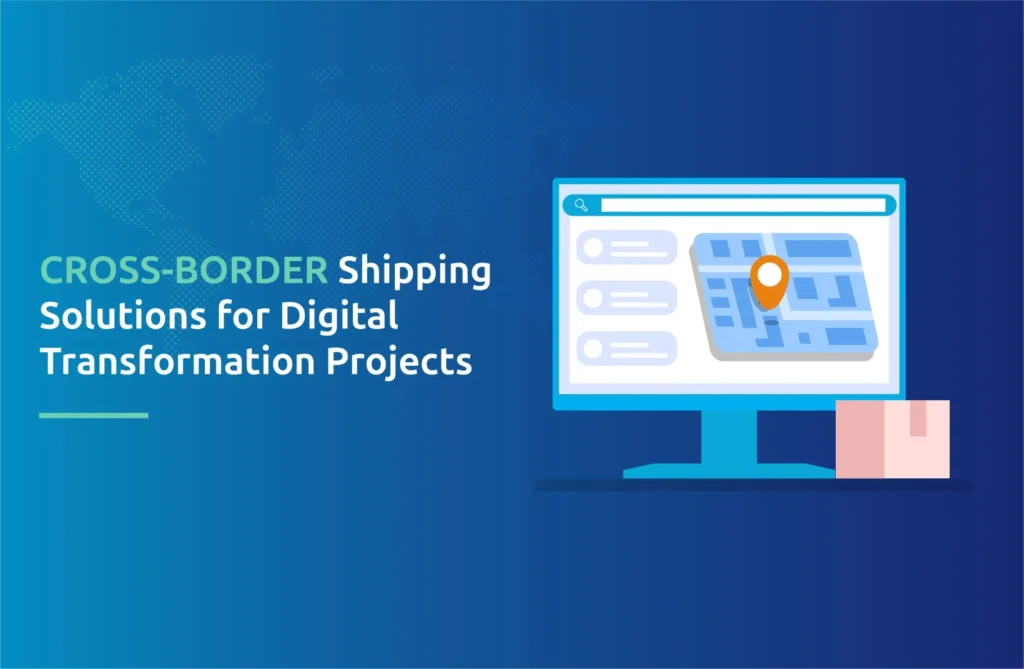
At its core, digital transformation is simply a company updating its technology, such as upgrading software, moving data to the cloud, or installing faster networks to run more easily & better serve its customers. This shift is mainly not confined to one building or country; updated organizations are mainly developing their IT infrastructure across many global borders to support global teams & localized data laws. Building a seamless digital network needs moving heavy, high-value physical assets like servers, networking hardware, & specialized equipment. That is where cross-border shipping comes in; it is the important backbone of the whole project, ensuring that important IT infrastructure navigates difficult customs & reaches its final location safely & on schedule.
What is cross-border shipping?
Cross-border shipping mainly use to the movement of goods between different countries. It mainly involves customs clearance, international logistics coordination, & compliance with trade laws & regulations. Cross-border shipping is a main component of cross-border logistics, which covers the full process of transporting goods across national boundaries. With cross-border shipping, businesses tap into new demand while using cost efficiencies through nearshoring & regional trade agreements.
How can digital transformation be achieved?
The technology we use has a big role to play, but digital transformation starts with the people. Data shows 25% of cargo owners, for example, rely on legacy channels such as email for shipping activities. For digitisation to evolve, the people need to adapt and shift to using system-to-system communications. Collaboration between cargo owners, carriers, freight forwarders, technology logistics providers, terminal operators and ports is paramount. Meanwhile, banks, governments and legislators have an equally important role to play.
Technologically, transforming container shipping requires a global framework that enables interoperability between platforms and facilitates the seamless exchange of data. This framework must have a unified and standardised approach to data communication across all technology platforms, modes of transportation and stakeholders.
By working on the interoperability of processes, more and more businesses will be encouraged to adopt these new technologies – from replacing electronic data interchanges (EDIs) with application programming interfaces (APIs) and moving to paperless trade through digital documents such as the electronic bill of lading.
Our digital shipping standards help support this move to interoperability. They are developed with input from over 100 SMEs, so we can ensure our standards align with real-world requirements. We are continually reviewing and updating these standards to ensure they address challenges we face in the container shipping industry.
The benefits of digital transformation
Digitising the maritime shipping industry is a task that will yield benefits, including:
Greater efficiency through the adoption of paperless documents and processes that offer better communication between customer and carrier.
Increased accuracy as errors associated with manual data entry and data discrepancies are minimised.
Increased security for shipping documentation as digitising enables the use of digital signatures, encryption technologies and authentication mechanisms.
Lower carbon emissions with efficient digital processes. JIT port calls, for example, are a low-investment way of reducing fuel usage and emissions.

Common Cross-Border Shipping Challenges
The products transported between countries may be diverse, but they all face similar shipping challenges. These include:
Clearance Delays at Customs
Companies rate clearance delays as their main priority. These delays occur when products sit at customs for an extended period, mainly due to missing or inaccurate documentation
Custom Compliance and Regulations
Supply chain leaders listed difficult compliance paperwork & harmonized system (HS) codes as a top challenge.
HS codes provide a global standardized number system to identify goods for export. Although HS codes are helpful, the sheer volume of these codes can complicate the process. Using an inaccurate code can result in costly clearance delays. As such, businesses must be thorough when completing international shipping documents.
Import-Export Opportunities for Business Growth
Reach New Customers
People can only buy your product if they have access to it, so by crossing international borders, you place your goods in the hands of new customers. Expanding your reach can be particularly advantageous if you operate your business in a saturated market. Being in this position allows you to venture into new geographical areas with less competition.
Reduce Overheads
Every business owner, regardless of industry, wants to minimize expenses and grow their profit margin. Cross-border shipping allows businesses to combine shipments and procure inventory at a cheaper rate, serving their bottom line.
Streamline Lead Times
A business incurs fees every day a product is in storage. Cross-border shipping relies on advanced technology to streamline the distribution phase and deliver products to customers in less time. Shorter lead times reduce the need for storage and are sure to delight the customer.
Fast delivery times are mainly similar for eCommerce businesses. Online customers will leave their cart if shipping estimates are too long. Enhancing your logistics goes hand in hand with customer satisfaction.

Conclusion
Digital transformation projects mainly depend on more than software & cloud technology. They also need the safe & on time movement of servers, networking equipment, & other IT hardware across countries. A usable cross-border shipping process helps businesses avoid customs delays, meet compliance requirements, & keep projects on schedule.
With proper management, correct paperwork, & the correct logistics partner, companies can reduce risks, handling costs, & deliver equipment where it is needed without unnecessary delays. As more businesses develop their digital network worldwide, usable cross-border shipping will continue to play an important role in supporting successful digital transformation projects.
Did you know?
The global Shipping and Logistics Market is anticipated to be worth USD 9062.57 Billion in 2026. It is expected to grow steadily and reach USD 13939 Billion by 2035. This growth represents a CAGR of 4.9% during the forecast period from 2026 to 2035.
FAQs
Why is cross-border shipping important for digital transformation projects?
Cross-border shipping allows businesses to move servers, networking equipment, storage systems, and other IT hardware between countries. It ensures that digital transformation projects stay on schedule and that equipment reaches its destination safely.
What documents are required for cross-border shipping?
The required documents usually include a commercial invoice, packing list, shipping label, customs declaration, and the correct HS code. Some countries may also require import permits or additional certificates depending on the type of equipment.
How can businesses reduce delays in international shipments?
Businesses can reduce delays by preparing accurate shipping documents, using the correct customs codes, following local import regulations, and working with an experienced international logistics provider.
What types of equipment are commonly shipped for digital transformation projects?
Common shipments include servers, storage devices, networking equipment, data center racks, switches, routers, UPS systems, cables, and other IT infrastructure needed to build or upgrade digital systems.
How does cross-border shipping support global business growth?
Cross-border shipping helps businesses expand into new markets by making it easier to deliver products and IT equipment across countries. It also improves supply chain efficiency, supports faster project deployment, and helps companies serve customers in different regions more effectively.