Overview
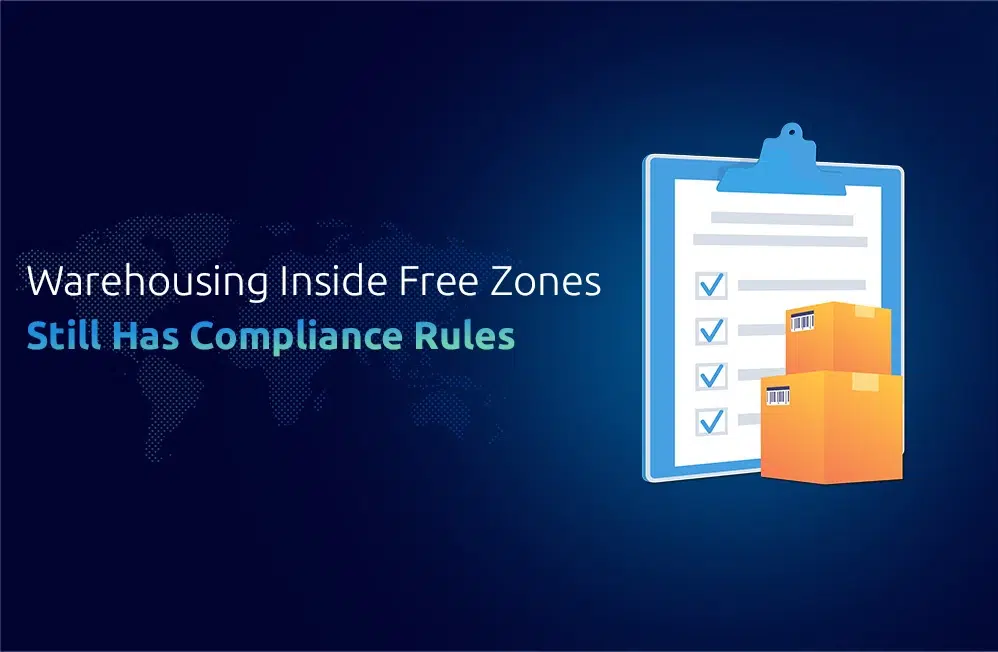
Free zones are frequently advanced as simplified trade environments, but warehousing inside them is far from regulation-free. Even within a Free Trade Warehousing Zone (FTWZ), organizations must follow customs, security, inventory, and reporting standards. Businesses using international freight services, importer of record service methods, or exporter of record services must understand that free zones reduce certain duties and taxes, but they do not reduce agreements. HS code categorizations to customs clearance documentation and international shipping terms, regulated processes remain vital to operations. Knowing these rules protects businesses from penalties, cargo holds, and unwanted working risks.
What is a Free Trade Warehousing Zone?
A Free Trade Warehousing Zone is a designated area treated as being outside the domestic customs territory for duty purposes. Goods stored in an FTWZ can be imported, handled, assembled, or re-exported without immediate payment of customs duties. Also, products must still be declared, documented, and tracked under approved customs procedures.
FTWZs support global trade activities such as supply chain optimization, packaging, labeling, and value-added services. They are widely used by organizations working in international freight services, premium delivery service methods, and cross-border supply chains. While FTWZs provide flexibility, they work under a specific regulatory system that confirms transparency, traceability, and lawful shipment of goods.

How Free Trade Zone Warehouses Work Under Compliance Rules
Customs Oversight and Documentation
All cargo entering an FTWZ must be properly declared. Customs authorities monitor goods through digital inventory and order management systems, regular audits, and bonded warehouse guidelines. Businesses must submit accurate product descriptions, HS code details, and transaction records, even when duties are delayed.
Inventory Control and Security Standards
Warehouses inside free zones must maintain secure facilities, controlled access, and real-time stock visibility. Goods are tracked from entry to exit, if they are being re-exported, changed, or cleared into the local trade. This system supports smoother customs clearance and protects organizations working with freight forwarding companies near me or multinational logistics partners.
Regulated Movement and International Shipping Terms
Shipments into and out of FTWZs must follow recognized international shipping terms such as Incoterms and DAP, confirming clarity on risk, responsibility, and delivery issues. Although duties may be delayed, authorities still regulate cargo handling and inspections.
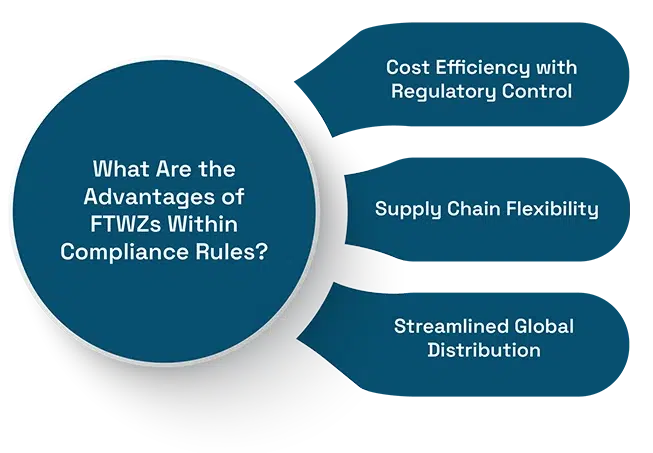
What Are the Advantages of FTWZs Within Compliance Rules?
Cost Efficiency with Regulatory Control
FTWZs allow businesses to defer duties and taxes until goods officially enter the local market. This supports better cash-flow management without compromising legal agreement. Companies using an Importer of Record service structure benefit from controlled, predictable duty display that works with actual sales or distribution cycles.
Supply Chain Flexibility
Within a complete FTWZ, businesses can repackage, relabel, assemble, or conduct quality checks before final shipment. These activities support supply chain optimization, shorten lead times, and improve responsiveness to global market demand while remaining within regulated guidelines.
Streamlined Global Distribution
Free zones allow effective re-export operations supported by international freight services and exporter of record services. This allows businesses to work multiple regions from a centralized hub, supported by customs-approved warehousing and audit-ready documentation processes.
What Are the Minimum Requirements to Set Up an FTWZ?
Regulatory Approvals
Operators must secure formal authorization from the applicable trade and customs officials. This such as warehouse licensing, security approvals, and digital connectivity with customs systems to support clear cargo shipment and reporting.
Infrastructure and Approval Systems
An FTWZ must have secured premises, scrutiny systems, bonded storage areas, and compliant IT platforms for inventory and order management. These tools allow accurate tracking, audit readiness, and a combination with the customs clearance process.
Operational and Trade Expertise
Businesses must demonstrate the ability to manage regulated trade operations, including classification processes, reporting obligations, and adherence to international shipping terms. Partnerships with experienced international freight services providers often support these requirements.
Conclusion
Warehousing inside free zones provides major operational and financial advantages, but it does not remove the need for agreement. FTWZs work within systematic regulatory systems that govern documentation, security, inventory management, and international shipping terms. Businesses that understand and respect these rules can unlock the full value of free zones, achieving supply chain optimization, cost efficiency, and global reach. Right partners, systems, and approval methods, FTWZ warehousing becomes not just a storage option but a major advantage in global trade.
DID YOU KNOW?
Medical logistics is growing at a rate of approximately 10 to 12% every year. Therefore, this is an important sector and a large, growing business.
FAQs:
What is a Free Trade Warehousing Zone (FTWZ)?
A Free Trade Warehousing Zone is a designated area treated as outside the domestic customs territory for duty purposes, allowing goods to be stored, processed, or re-exported with deferred customs duties, while still operating under regulated customs procedures.
Are free zones exempt from customs compliance?
No. While FTWZs offer duty and tax benefits, businesses must still follow customs declarations, HS code classification, inventory tracking, security protocols, and audit requirements.
What compliance rules apply to FTWZ warehouses?
FTWZ warehouses must meet customs documentation standards, digital inventory and order management requirements, physical security controls, and regulated cargo movement procedures.
What are the main benefits of using an FTWZ?
Key benefits include duty deferral, improved cash flow, supply chain optimization, flexible value-added services, and efficient re-export supported by international freight services.
What are the basic requirements to set up an FTWZ?
Setting up an FTWZ requires regulatory approvals, licensed infrastructure, bonded storage facilities, customs-connected IT systems, and operational expertise in international trade compliance.