Introduction
International logistics is shifting into a new stage. By 2030, changing goods across borders will depend on more than ships, aircraft & warehouses. Digital systems, automation, customer requirements, climate change, or political risk will increasingly affect how companies design their supply chains.
The direction is already visible in 2026. Global trade achieved more than $35 trillion in 2025, but UN Trade & Development reports that political conflict, shifting trade policies, regional growth or tighter rules are reshaping global value chains. Maritime logistics is also facing longer routes or higher risk.
How Will Logistics Become More Data-Driven by 2030?
Logistics planning will increasingly change from reacting to delays to expecting them. Companies will combine shipment history, weather, port activity, stock & transport data to identify risks earlier. AI or data-driven analytics can compare routes, forecast demand or flag possible delays before cargo moves. This can support better decisions on shipping modes, stock levels or key shipment goals.
By 2030, data-driven logistics will focus on understanding what is likely to happen next, not only tracking where cargo is now. Technology can offer alerts or advice, while logistics expert continue to handle commercial decisions, customer requirements & regulatory duties.
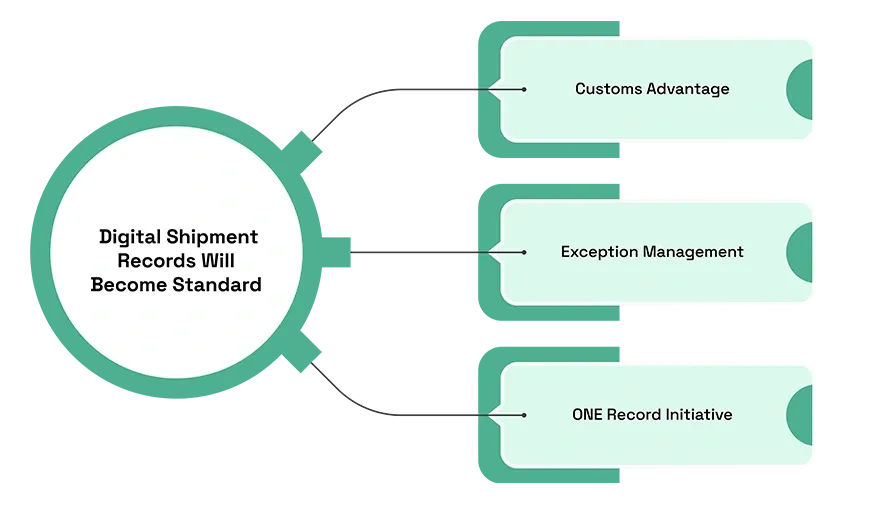
Digital Shipment Records Will Become Standard
Logistics will rapidly change from manual documents to organized digital data. Shipment information is at times repeated across exporters, freight forwarders, customs brokers or importers. Manual systems can minimize this duplication or improve data accuracy. IATA’s ONE Record initiative is already supporting this transition in air cargo. Digital shipment records can provide better visibility from booking to delivery. They can also improve document management between different logistics partners. Customs teams can receive more stable shipment information earlier in the process. This can help reduce manual errors or avoid extra document delays. Digital records can also support faster exception management when a shipment changes. Companies will have better access to information when reviewing shipping & delivery performance.
Ports Will Become Digital Systems
Ports will remain central to global logistics because maritime shipping have more than 80% of goods sold worldwide by volume. Physical capacity alone, however, will not decide future port market strength. Digital port group systems, maritime single windows, automated documentation, or connected cargo data can improve coordination between cargo, terminals, customs authorities & inland transport. By 2030, companies may rapidly evaluate ports based on both physical systems and digital networks.
How Will Trade Routes or Supply Chains Shift by 2030?
Global supply chains are unlikely to vanish, but their structure is changing. Companies are rapidly shifting regional production, sourcing from multiple suppliers & multiple delivery locations to reduce reliance on a single route or market. Regional tensions, changing trade policies or transport delays are supporting businesses to build more flexible networks. Regional hubs may support important markets, while alternative suppliers can reduce single-source risk. Nearshoring may become practical for selected products, especially where speed & supply security matter. Critical stock may also be placed closer to customers to reduce delay risk. However, global sourcing will remain essential, with companies focusing on expansion rather than complete local integration.

Resilience Will Matter as Much as Cost
Recent delays have shown that the lowest-cost logistics route can become costly when conditions suddenly change. Regional tensions, transit route delays, port restrictions or extreme weather can force transport providers to use longer routes.
UNCTAD reported that cargo rerouting added to a 5.9% increase in ton-miles in 2024, showing how delays can increase both distance and operating pressure without equal growth in traded volumes.
By 2030, supply-chain planning will rapidly include delay scenarios rather than depending on one preferred route.
Customs Will Become More Digital
Customs processes will become increasingly combined with digital supply chains. Governments are growing electronic declarations, single-window platforms, automated risk assessment & data exchange.
This means companies will need to prepare customs information earlier. Product descriptions, HS classification, origin, value, licences and supporting documents will increasingly need to be accurate before cargo reaches the border.
For complex shipments, customs readiness may become part of shipment planning itself. A logistics plan that ignores regulatory requirements until arrival can create avoidable delays.
By 2030, the strongest logistics systems will connect shipping planning with customs and product-compliance information from the starting.
What Will Logistics Look Like in 2030?
The logistics industry of 2030 will likely combine preventing technology, digital data, automated facilities, regional flexibility, strong transport networks and stronger compliance.
Physical infrastructure will remain important. Ships will still cross oceans, aircraft will carry urgent cargo, trucks will connect delays centers & warehouses will hold stock. What changes is how these goods are connected and handle.
A shipment will rapidly have a digital identity that follows its movement across the supply chain. Systems will use this information to monitor status, identify exceptions and management decisions between different parties.
The most competitive logistics networks will therefore be those that can connect physical movement with reliable information.
Conclusion
Global logistics is becoming more digital, regional or risk-aware as 2030. Companies will need supply chains that can calculate delays, adapt routes, handle compliance or maintain reliable data. Technology, green practices & resilience will increasingly shape logistics decisions. For valuable or regulated products, logistics and compliance will become closely connected. By 2030, successful supply chains will be developed to predict, adapt and keep moving.
Did You Know?
In 2026, global merchandise trade growth is projected to slow from 4.7% in 2025 to between 1.5% and 2.5%, as geopolitical tensions, changing trade policies and shipping disruptions increase costs and uncertainty.
FAQs
Will AI change logistics professionals by 2030?
AI is more likely to automate repetitive analysis and officials tasks than replace the complete logistics workforce. People will remain important for exceptions, negotiations, compliance, safety and planning decisions.
Will global supply chains become more regional?
Many companies are likely to add regional capacity and alternative sourcing while maintaining global supply networks. The objective will be greater flexibility rather than complete localization.
Will shipping become fully self-operating by 2030?
Automation or remote working are likely to grow, but completely autonomous global shipping will rely on safety standards, system, rules & commercial use.
Will green logistics increase costs?
Some cleaner technologies and regulatory requirements may increase short-term costs. However, energy efficiency, route optimization and reduced resource consumption can also create longer-term operational benefits.
Why is digital shipment data growing essential?
Digital data can reduce repeated manual entry, improve visibility and help different logistics partners work from consistent shipment information. IATA’s ONE Record is one example of this shift.