Insight
Due to the industry’s logistical, regulatory, & operational difficulties, importing aircraft engines/turbines is a complicated process that demands proper planning and experience. These parts are very expensive and accurate, forming a core component of the aviation industry. This blog post addresses the best issues companies have when importing these essential components and provides an analysis of their transportation and delivery complexity.
Strict compliance with international aviation regulations and customs laws is critical to avoid delays and penalties. Specialized logistics, secure packaging, and careful handling are required to protect these high-value components during transit. Insurance coverage plays an important role in managing financial risks associated with damage or loss. Working with experienced aviation logistics partners helps ensure smooth, timely, and compliant engine imports.
Regulation Compliance & Documentation
Importing aircraft engines & turbines is one of the greatest activities, encountering numerous global and local regulations. There are strict standards for importing high tech equipment, such as safety certification, quality standards, and origin certifications across countries. Substantial paperwork, including technical specifications, maintenance documentation, and compliance certificates, must be passed through customs officials. Oversight to perform this task will result in undesirable delays & fines.
Moreover, the aviation safety regulators, including the FAA (Federal Aviation Administration) in the U.S or EASA (European Union Aviation Safety Agency), guarantee that all parts have the highest safety and performance standards by complying with local needs and standards. Such inability to adhere to these rules can be rewarded with chains of delays, rejections or further interrogation, and you need to train them and be aware of the overall terms of ruling, which tend to change frequently.
Tariffs & Customs
The process of importing the aircraft engines and turbines is elaborate regarding the customs process. Like any other specialized item, aircraft engines have their unique tariff classifications, and as such, this is why aircraft engines have special tariffs when being imported into the country. Such tariffs can be enormous, particularly when there is a high-value import and a business needs to know the actual classification and follow the tariff regulations to ensure no cost surprises.
There also might be additional requirements by customs authorities for certain high-tech or high-value goods, and a failure in classification or failure to make the full documentation can delay shipment, incur fines, and even the reparation of the shipment. To have a smooth experience with the import, it is necessary to go through the customs clearance process correctly with all the necessary paperwork, certifications, and payments that must be made.
Specialized Transportation and Logistics
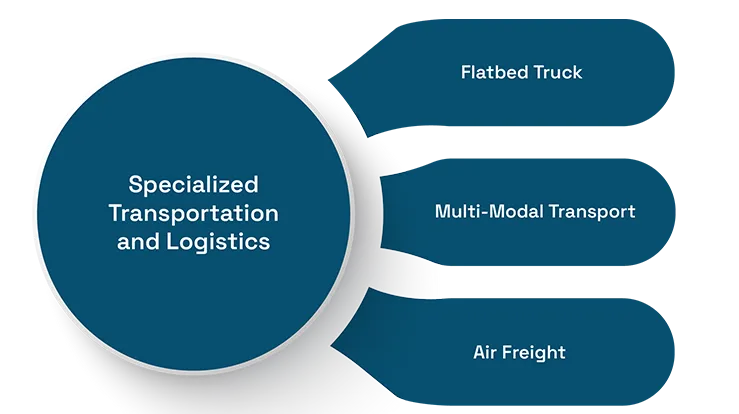
Components such as aircraft engines and turbines are so large, heavy, and sensitive that moving them poses a serious challenge to logistics. Some of these components will be sensitive to transportation arrangements. They may need more specialized means, e.g., a flatbed truck, air freight, or containers brought over the ocean, and the mode of transport may involve more than one mode.
These components should be carefully and securely packaged in addition to the transportation process, since any damage during transportation would be grave. Special packaging like cushioning, temperature, and protection coating may be required. Also, the equipment must be handled by experienced human resources who understand the needs of the aviation components, such as lifting, loading, and off-loading.
Cost Management
Aircraft engines and turbines cost importers much more because they are large and heavy, and thus expensive. Transportation cost, insurance cost, and cost of regulatory compliance, besides the cost of the equipment, should be considered. Logistics services can also incur costs of specialty services such as packaging, handling, and rapid shipping, which are charged as an additional fee by these logistics providers.
Customs duties, tax, and potential fines on misclassification or poor documentation are also included in the total cost. Businesses and proper cost structures must consider all these costs to prevent budget overruns. The point could also be regarding cost control, and the companies might be required to shop around on shipping rates, negotiate with the service providers, or even buy insurance to cover those involved risks.
Supply Chain Visibility and Coordination
Aircraft engines and turbines supply chain management is a process of coordinating various stakeholders, including producers, customs, transport companies and regulatory authorities. This needs proper dialogue and continuous reporting so that every entity is on the same wavelength.
One of the essential issues is the real-time tracking of the shipment. Poor communication or uncoordinated efforts among the various parties could lead to unimaginable issues, missed deadlines, unwarranted storage expenses, or, in a few other unfortunate scenarios, even spoiled goods. The companies should invest in end-to-end visibility offered by the technology or the logistics partners who offer end-to-end visibility on a real-time basis.
Security Risks
Aircraft engines and turbines are highly valued, hence security is paramount. The components are found to be appealing theft targets, and the chances of damage occurring during transport are great. The consignment should be secured to prevent theft, tampering, or mutilation. Particularly when transported over long distances or when goods are stocked at non-secure places.
Insurance reduces these risks, which plays a very important role. Most businesses choose to cover any possible risk of theft, damage, or loss in transporting delicate equipment through their insurance policies.
Environmental Considerations
The effects of environmental aspects, i.e., temperature, humidity, etc., may play a big role in transporting sensitive equipment. When shipped, the climate must be controlled to avoid corrosion, wear, or damage to some aircraft engines and turbines. The transporting company must pay extra attention to the transport of the equipment in an environment that will not damage its functionality.
Market Insights
It is also estimated that the global aerospace logistics market will steadily grow, and the sector will accumulate up to $35.7 billion in 2029. The growth in demand has influenced the expansion of aviation products such as aircraft engines, and there is a growing need for special logistics services to handle high-value products. Also, the need to have quicker and more efficient logistics and shipping of aviation parts will lead to innovation in these fields.
How We Can Help with Aircraft Engine and Turbine Importation
At One Union Solutions, we work on custom logistics to import aircraft engines and turbines. Our vast experience in international logistics lets us handle all the services needed in the importation process with expertise, be it customs clearance, safe transportation, or skilled installation. Close collaboration with our clients is needed to ensure that the most desirable strategies fit each shipment and that risks, costs, and responsibilities are well stipulated. Our services are safe transportation, compliance management, and procedures related to risk mitigation to provide timely delivery and minimal disturbances. You are either importing big-ticket equipment or unique turbine components, and our team ensures that logistics solutions are cost-effective and meet well above industry standards.
Did You Know?
The aerospace logistics Market offers a 6.5% compound annual growth rate (CAGR). By 2029, there will be demand to support high-value aviation parts.
FAQs
What are the main challenges in importing aircraft engines?
Key challenges include strict regulatory compliance, complex customs clearance, logistics coordination, and high transportation costs.
How do Incoterms help in the import process?
Incoterms clearly define cost, risk, and responsibility between buyers and sellers, making shipping smoother and improving compliance.
Why is insurance important when importing aircraft engines?
Insurance protects against risks such as theft, loss, or damage during transit, providing financial security for high-value engines.
How do white glove services support aviation equipment imports?
White glove services ensure careful handling, secure transport, and expert installation, reducing the risk of damage.
How does regulatory compliance affect aircraft engine imports?
Following local and international regulations helps avoid delays, fines, and seizures, ensuring timely and legal clearance of goods.