Introduction to IoT in Global Logistics
In today’s global trade environment, businesses depend on smooth & reliable international logistics solutions to move goods across countries. This is where IoT (Internet of Things) plays an important role.
IoT connects devices like GPS trackers, sensors, and RFID tags to the internet. These devices help organisations to keep track of their shipments in real time.
For industries like IT, aviation, medical, and the automotive manufacturing supply chain, where timely delivery is very important, IoT makes shipping faster, safer, and more transparent. It also supports better customs clearance and improves communication across cross-border shipping services.
How IoT Helps in Real-Time Shipment Tracking
IoT devices are placed on containers, packages, or vehicles. These devices collect and send data continuously. This data includes location, temperature, humidity, and handling conditions.
For example, medical equipment usually needs to be kept at a specific temperature. IoT sensors help to maintain these conditions during the journey.
In the same way, IT and aviation equipment are high-value items, so real-time tracking ensures they are safe at every stage.
IoT also helps global freight forwarding companies and International freight services providers keep track of shipments across borders. It supports trade rules like Incoterms, including DAP and DAPs, where delivery responsibilities are clearly defined.
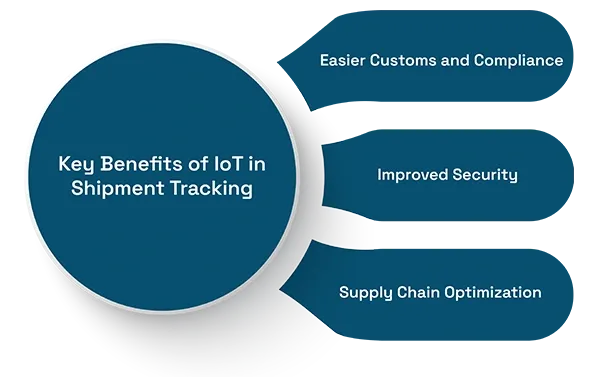
Key Benefits of IoT in Shipment Tracking
Better Visibility
IoT helps businesses track their shipments at any time. This improves communication between exporters, importers, and logistics teams. It also gives clear updates on delivery timelines, including what happens after customs clearance and how long it may take for the shipment to arrive.
Easier Customs and Compliance
IoT helps organizations to handle documents like HS code and HTS properly. This minimize delays during customs clearance & ensures compliance with trade rules like the generalized system of preferences (GSP).
Improved Security
IoT devices can detect unusual activity, like tampering or route changes. Alerts are sent immediately to help prevent theft or damage. This is especially useful for costly goods in the IT, medical, and automotive industries.
Supply Chain Optimization
With IoT data, businesses can enhance delivery routes, minimize delays, & costs. This leads to better supply chain optimization & more efficient inventory and order management.
Support for Documentation and Services
IoT makes it easier to manage complex shipping documents. It works well with services like Importer of Record Service and Exporter of Record services, ensuring all legal requirements are met.
Challenges of Using IoT in Logistics
- Network Issues
Shipments moving through remote areas or oceans may face connectivity problems, which can affect real-time tracking. - Data Security Risks
Since a large amount of data is shared online, there is a risk of cyber threats. Businesses should use safe systems & the best trade compliance software for import export rules to protect their data. - High Setup Cost
Installing IoT systems can be costly at the start. However, it helps to save money in the long run. - Complex Regulations
International shipping has many rules & needs proper documents. Managing both import and export processes, along with legal responsibilities, can be difficult for businesses. While IoT helps with tracking and visibility, companies still need expert support to manage paperwork and ensure smooth customs compliance solutions.
Future of IoT in Shipment Tracking
The future of IoT in logistics is very promising. With the help of AI and advanced analytics, IoT systems will become smarter. Businesses will be able to predict delays, select better routes, & make faster decisions.
IoT will also work closely with the best trade compliance software for import export rules to simplify global shipping. It will improve services like Importer of Record services and make operations more efficient.
For industries like IT, aviation, medical, and automotive, IoT will continue to improve shipping safety and speed. Combined with services like global freight forwarding, international logistics service, & cross-border shipping services, IoT is shaping the future of global trade.
Conclusion
IoT is making the international shipping process easier, transparent, & reliable. With real-time tracking and accurate data, businesses can stay updated at every stage of the shipment. This helps reduce delays, lower risks, and improve overall performance.
For organizations in the IT, aviation, medical, and automotive industries, IoT is very useful. It helps ensure that goods are handled safely and delivered on time. It also makes it easy to manage operations across different countries.
When used with the right logistics partners and strong compliance support, IoT helps build a smarter and more efficient supply chain. As international trade keeps growing, using IoT for tracking shipments will give organizations a strong advantage in staying competitive.
Did you know?
IoT helps improve inventory and order management by providing real-time stock updates and shipment status.
FAQs
What is IoT in international shipment tracking?
IoT in shipment tracking uses devices like sensors and GPS trackers to monitor the location and condition of goods in real time during transit.
How does IoT improve international logistics?
IoT improves logistics by providing real-time visibility, reducing delays, improving communication, and helping businesses make better decisions.
Why is IoT important for cross-border shipping?
IoT helps ensure shipments are tracked accurately across countries, improves security, and supports smooth customs clearance processes.
How does IoT help in customs clearance?
IoT provides accurate shipment data and tracking updates, which helps ensure proper documentation and makes the customs clearance process smoother.
Is IoT useful for tracking sensitive goods?
Yes, IoT is very useful for sensitive goods like medical equipment. It monitors conditions like temperature and handling to ensure safety during transit.