Introduction
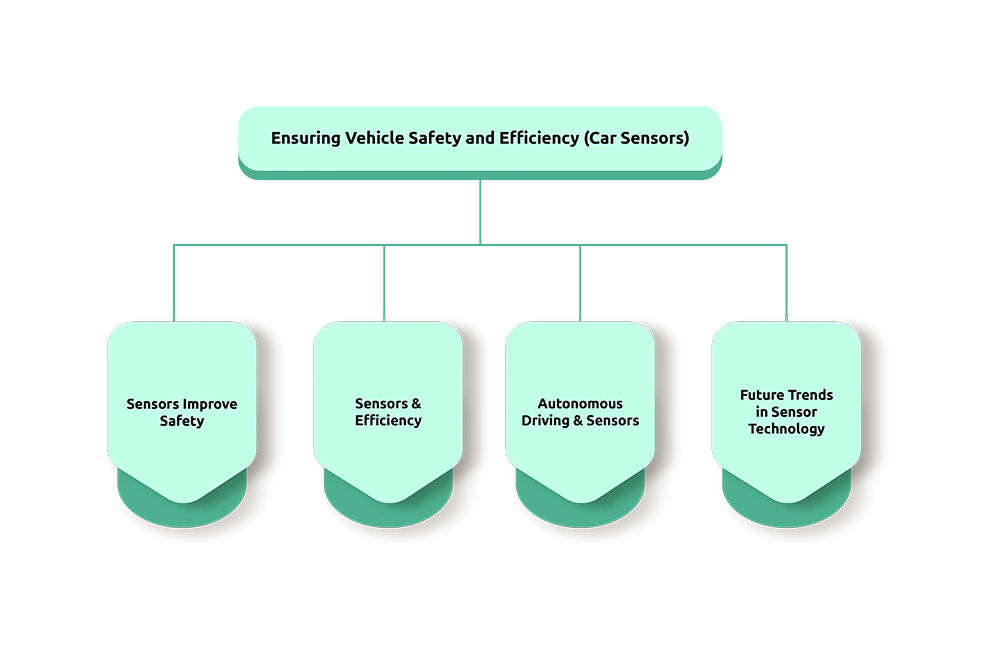
Sensor technology is pivotal in the modern automotive industry, which is rapidly evolving, helping improve vehicle safety and efficiency for drivers, logistics providers, and freight forwarding firms. According to Volza’s Global Import data, there were 127,426 car sensors imported worldwide between March 2023 and February 2024 by 5,094 exporters to 3,463 global buyers.
This is a substantial increase of 20% over the preceding twelve months. In February, 7,069 car sensors were imported, an annual decline of 31% compared to February 2023 and 35% less than January 2024. By using modern car sensors, companies can increase operational efficiency, warrant compliance, improve supply chain efficiency, and ultimately create efficient and safer transport networks.
Sensor technology has changed the logistics industry by increasing visibility, efficiency, and decision-making across the supply chain. Providing live tracking of shipments to sensitive cargo, sensors provide the necessary data that helps confirm the safe and on-time delivery of goods. It helps custom brokers confirm correct documentation and smooth customs clearance, improving complete supply chain efficiency.
How Car Sensor Technology is Changing the Automobile Industry
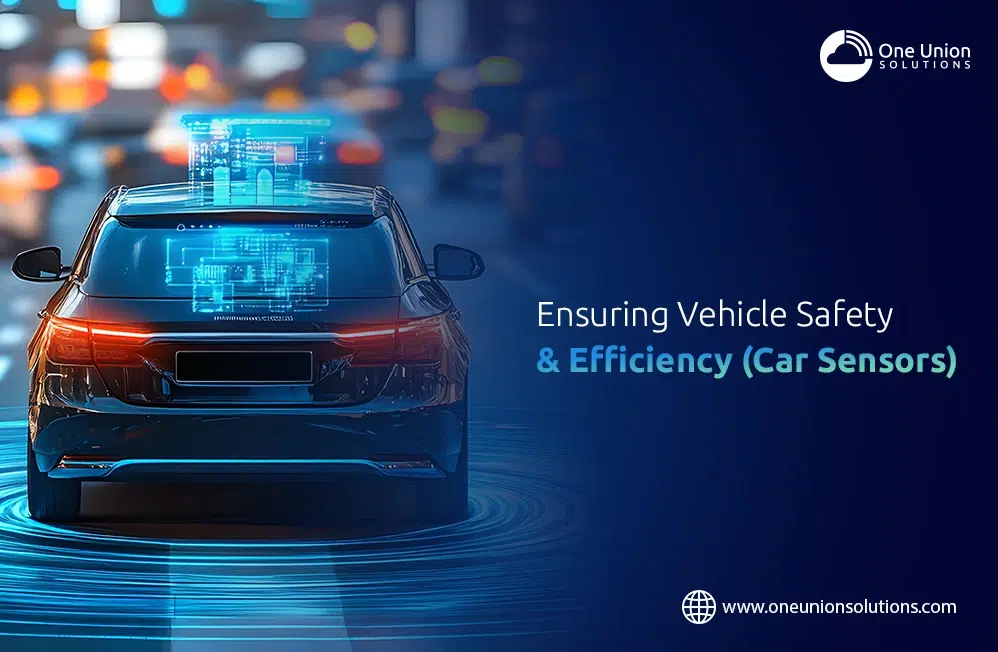
Car sensor technology is quickly developing the automotive industry by allowing advanced support systems, predictive maintenance, autonomous driving features, and real-time vehicle tracking that improve safety, efficiency, and performance. As modern vehicles combine hundreds of correct sensors ranging from LiDAR and radar to pressure, temperature, and motion sensors, the global shipment of these high-value electronic components has become a necessary part of automotive supply chains. Manufacturers increasingly depend on special international freight services to transport sensitive sensor equipment securely across borders, while exporter of record services confirm approval with export regulations, documentation, and licensing requirements. At the destination, importer of record service providers manage customs clearance, duties, and regulatory approvals, allowing automotive organizations to source advanced sensor technologies smoothly and accelerate innovation across global trades
Freight Forwarding Companies Rely on Sensor Technology
Freight forwarding service providers heavily depend on sensor equipment with sophisticated sensors to monitor goods during logistics and confirm safe, timely deliveries of their products. Importer of record (IOR) requires real-time data on international shipment releases to provide quick deliveries. This information can confirm smooth deliveries even in today’s developed market. Companies using advanced sensor technology can monitor logistics and other major aspects affecting shipments’ integrity more effectively, allowing them to identify possible issues early. Businesses are prepared for possible delays or damage fees, reducing delays while decreasing costs related to equipment.
Integrating System-on-Chip (SOC) Technology
The sensors integrated into System-on-chip technology help to make the system run more smoothly by tracking HS codes and confirming approval with regulations such as the Generalized System of Preferences (GSP). This integration is mostly advantageous for a global importer of record service provider who must guide complex regulatory environments while remaining operationally effective. SOC technology allows businesses to automate agreement requirements tracking, which helps minimize errors in documentation and shipping processes. This feature is precious for international trade businesses, where minor issues may cause significant delays or substantial economic losses.
Improving Risk Management with Sensor Data
Import-export transactions can reap considerable advantages from using real-time sensor data. This technology enables more precise risk assessments based on current conditions. As large importers and smaller businesses take advantage of sensor information guiding logistics operations, understanding importer of record responsibilities becomes simpler with accurate data. Using sensor data, companies can assess the risks of transporting various equipment and adjust their insurance policies accordingly, contributing to enhanced risk management and improving operational efficiency.
Future Trends in Sensor Technology
As advances are made, sensors will become more important for the automotive industry. It improved the accuracy of sensors and the data analytics capabilities. Integration with AI systems is all the innovations that can benefit businesses in making better-informed decisions and streamlining the efficiency of their supply chains. As consumers’ expectations for speedier delivery times increase, so does the demand for instant data. Companies that invest in cutting-edge sensor technology are better equipped to address this increasing demand while adhering to all applicable regulations and increasing security.
Why Choose One Union Solutions
One Union Solutions stands out as an industry expert in freight forwarding, providing customized services designed to meet the unique requirements of importers and exporters alike. Our in-depth understanding of customs clearance processes, & effective operations make us an excellent partner for businesses guiding global trade difficulties.
Sensor technology is changing the freight forwarding industry by allowing live tracking and monitoring of shipments, confirming agreement with global trade regulations. Correctly categorizing using HS codes, organizations can minimize delays at customs and avoid costly errors
Conclusion
Car sensors are a valuable tool that improves vehicle safety and efficiency in the logistics sector. Their integration with different areas of the freight forwarding industry guarantees the compliance of all parties, speeds up delivery times, and decreases risks of international shipments, providing companies with the necessary tools to be successful in an increasingly globalized world. As technology advances and sensors are developed, they will be more vital tools of effectiveness and efficiency and play a significant part in shaping the future of logistics.
Did you know?
The sensor market size was $7.96 billion in 2024 and is projected to grow from $8.83 billion in 2025 to approximately $22.44 billion by 2034, exhibiting a compound annual growth rate (CAGR) of 10.92% during the period 2025 to 2034.
FAQs
How is car sensor technology changing the automotive industry?
Car sensors enable safer, smarter, and more efficient vehicles through real-time monitoring, ADAS, and autonomous features.
Why are car sensors important in freight forwarding and logistics?
They provide live tracking and condition monitoring, improving shipment visibility, safety, and on-time delivery.
How do exporter of record and importer of record services support sensor supply chains?
They ensure regulatory compliance, documentation accuracy, and smooth cross-border movement of sensor technologies.
How does sensor data improve risk management?
Real-time sensor data helps detect issues early, reduce losses, and strengthen compliance and insurance decisions.
What is the future of sensor technology in automotive and logistics?
AI-driven, high-precision sensors will power smarter vehicles and more automated, data-driven global supply chains.