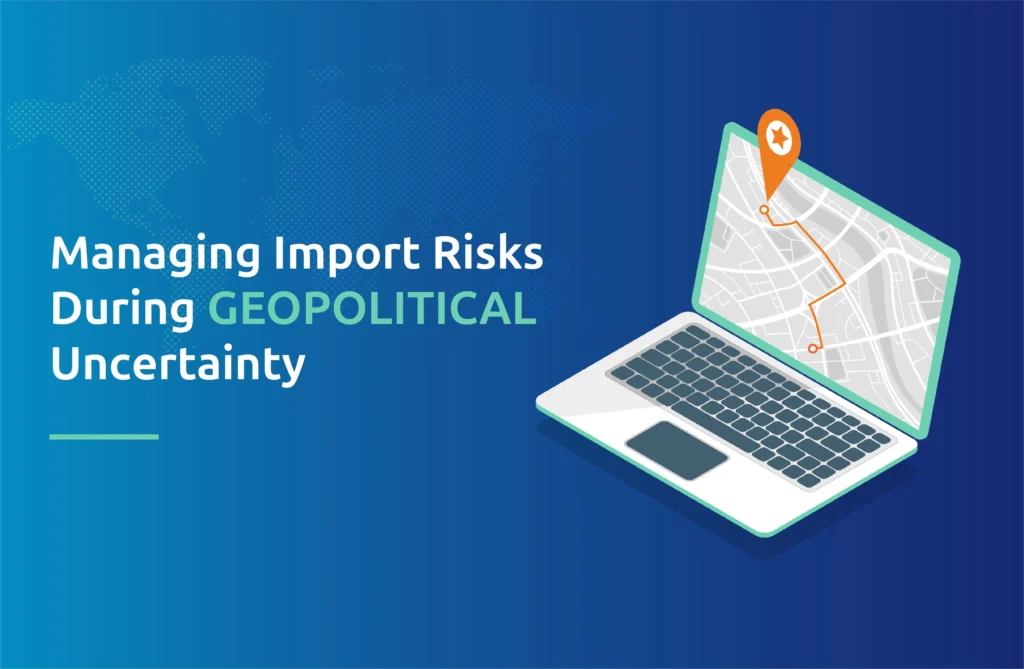
Navigating Import Challenges in an Era of Geopolitical Uncertainty
Global trade is facing increasing pressure from geopolitical instability, including regional conflicts, trade disputes, economic sanctions, and shifting regulatory policies. These developments have created a more unpredictable business environment for companies engaged in international commerce. As supply chains get more connected problems in one area can quickly affect how things are made moved and delivered over the world. Businesses that import goods from countries have to deal with higher shipping costs, delays at customs changing taxes on imports and risks, from suppliers. Supply chains are getting more and more connected and businesses importing goods must watch out for supply chain issues.
The problems that come from not knowing what will happen in the world affect more, than how we move things around. They also affect how we decide what to buy how we plan for the things we need and how strong our whole system of getting things from one place to another is. For industries such as IT, aviation, medical equipment, and automotive manufacturing are late or if the rules change it can cause problems and cost a lot more money. Companies that always pay attention to what’s going on in the world work with many different suppliers make sure they are following all the rules and try to make their system of getting things from one place to another better are more likely to avoid problems and keep their business running smoothly even when the world is changing.
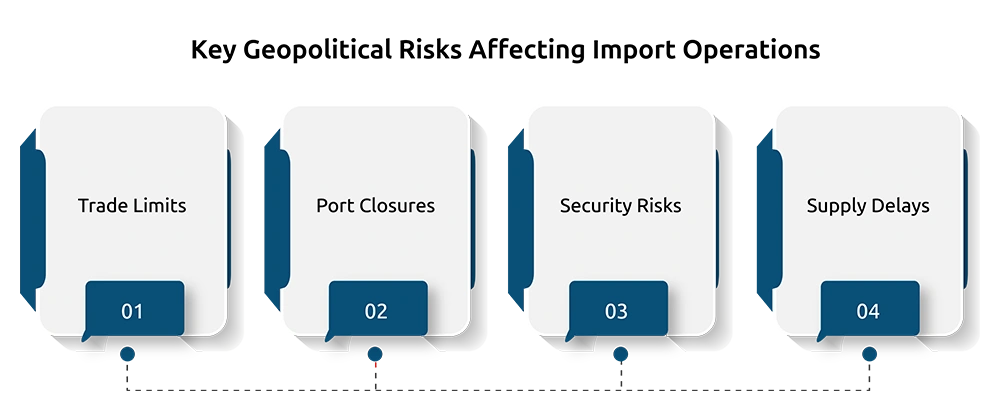
Key Geopolitical Risks Affecting Import Operations
Businesses that deal with countries have to think about the problems that can come from politics. When countries do not get along they can. Limit trade, which can hurt businesses that rely on other countries for things they need. Wars in areas can cause big problems with getting things from one place to another which can cost more money and make it harder to get the things businesses need. Sometimes ports are closed because of problems between countries workers are on strike. There are security concerns and this can cause big delays in getting things shipped. Changes in rules and regulations can also cause problems for businesses that import things. Businesses need to understand these problems so they can protect their ability to get things from one place to another follow all the rules and keep running even when the world is unpredictable.
The Ripple Effects of Geopolitical Uncertainty on Global Supply Chains
Geopolitical uncertainty really shakes up supply chains. This creates problems for importers in many industries. Trade conflicts and economic sanctions cause trouble, Regional tensions and regulatory changes also play a part. Carriers change routes and capacity because of risks. Businesses also face delayed customs clearance.
These disruptions can contribute to supply shortages, particularly for critical components and high-demand products used in the IT, aviation, medical, and automotive sectors. Currency fluctuations further complicate international procurement by increasing import costs and reducing budget predictability. Additionally, Supplier instability is a problem. This can happen when there are economic issues that affect the suppliers. When this happens it can impact the production schedules and inventory availability. To deal with these issues companies must make their logistics strategies better. They need to find sources, for the things they need and be prepared for any problems that might come up. This means they have to be proactive and manage risks to make the supply chain stronger.
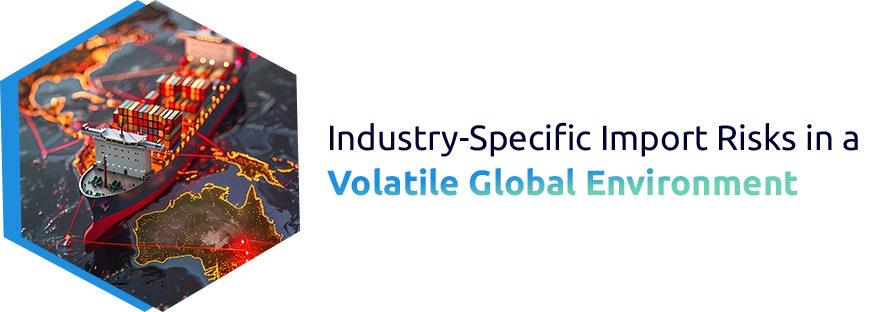
Industry-Specific Import Risks in a Volatile Global Environment
Geopolitical uncertainty affects industries in different ways. This creates import challenges for global supply chains. The IT sector often has trouble getting hardware. This happens when there are trade restrictions, problems with getting semiconductors or manufacturing issues. These problems affect the availability of servers, networking devices and data center equipment. In the aviation industry delays, in getting aircraft components can cause problems like disrupting maintenance schedules plus can also affect readiness.
Medical equipment suppliers have to deal with a lot of rules and regulations that are always changing. They need to get their stuff through customs on time and do all the paperwork so hospitals and doctors can keep helping people. Automotive industry is similar. They have a lot of suppliers who work together. If one little thing is late it can stop the whole production line and cost a lot of money.
Conclusion
Geopolitical uncertainty is a challenge for global trade. It affects importers in industries like IT, aviation, medical and automotive. Risk management is now a priority for these businesses. They face issues, including changing trade regulations and customs rules. Supply chain disruptions and transportation delays are also problems. To manage these risks, businesses can take steps. Using an Importer of Record Service and an Exporter of Record Service can also help in better Inventory and order management, which can reduce risks too and investing in Supply chain optimization technologies is another idea. Global trade is becoming more unpredictable. Businesses need to be ready and they must be able to respond to changes.
DID YOU KNOW
“Managing import risks during geopolitical uncertainty requires building supply chain agility and compliance resilience. ”
FAQS
What are the biggest import risks during geopolitical uncertainty?
The biggest import risks are things like supply chains getting messed up it costs more to ship things customs takes a time there are trade sanctions tariff rules keep changing suppliers are not doing well and you cannot sell things in some areas.
How can businesses reduce geopolitical risks in their import operations?
Businesses can reduce risks. They should get goods from suppliers. They should also find ways to ship goods. This way if one way is blocked they can still get goods to their customers.
Why is Customs clearance important during periods of geopolitical instability?
When there are problems, between countries customs rules can change quickly. If businesses clear customs quickly they can avoid delays and fines.
How do Importer of Record Service and exporter of record services help manage trade risks?
The Importer of Record Service is really important because it makes sure that the goods you bring into a country are okay with the rules. On the hand exporter of record services take care of the rules for sending goods out of a country.
Can a customs broker handle both import and export documentation?
In many cases, customs brokers can assist with both import and export documentation, depending on their qualifications and service offerings. However, businesses should verify the scope of services provided, as Importer of Record and Exporter of Record providers often assume broader compliance responsibilities beyond documentation management.