

Overview
In today’s highly monitored global trade environment, customs authorities depend on automated risk engines to evaluate every shipment. Many importers suppose only major violations trigger scrutiny, but in reality, repeated small mistakes can quietly build a negative approval profile. Over time, these issues can give your business as a “high-risk importer,” leading to shipment delays, audits, and higher inspection rates. Even organizations using professional international freight services and customs clearance support are not shielded if documentation and data controls are weak during delivery. Understanding how risk flagging works and how to prevent it is necessary for maintaining smooth global work.
How the Risk Flagging Works for Importers
Data-Related Customs Tracking
Customs authorities use integrated databases that track importer behavior across borders. Every declaration, correction, and delay provides for a long-term profile. These systems analyze issues in HS code usage, valuation change, country-of-origin data, and approval to international shipping terms, such as Incoterms, such as DAP.
Pattern Recognition and Risk Scoring
Rather than focusing on a single mistake, customs evaluates patterns:
- frequent re-filings
- mismatched HTS Harmonized Tariff Schedule references
- recurring invoice corrections
- Inconsistent importer roles under the Importer of Record Service systems.
Over time, these patterns raise your risk score. Once this threshold is crossed, shipments are more likely to be stopped, examined, or audited, regardless of cargo value or past reputation.

Types of Minor Errors That Add Up during Shipment
Documentation and Classification Issues
HS and HTS Code inconsistencies
Misdeclaring HS codes or using outdated HTS Harmonized Tariff Schedule references is one of the most common minor errors. Even small differences in categorization can impact duty treatment, eligibility for programs like the Generalized System of Preferences (GSP).
Invoice and packing list mismatches
Differences between trade invoices, packing lists, and shipping documents frequently trigger system alerts, even if the cargo itself is authorized.
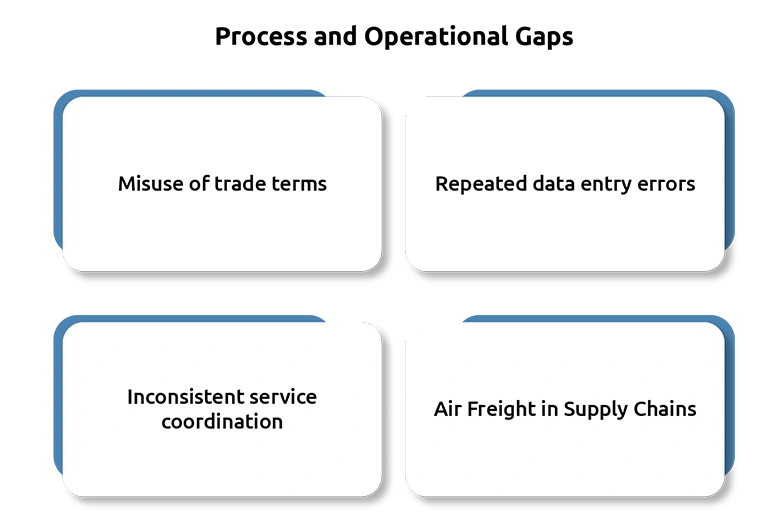
Process and Operational Gaps
Misuse of trade terms
Incorrect application of Incoterms, such as DAP, can unfocus responsibility between buyer and seller, creating valuation or dependability confusion during customs clearance.
Repeated data entry errors
Wrong weights, values, or seller’s details, even when corrected later, signal unreliable inventory and order management processes.
Inconsistent service coordination
Using multiple freight forwarding companies near me without standardized procedures frequently results in dispersed filings and variable documentation quality.
Consequences of a High-Risk Flag for Importer
Operational Impact
Once flagged, importers often experience:
- more physical inspections
- longer port storage times
- disrupted logistics planning
- missed production schedules
This erodes the benefits of premium delivery service agreements and delays the advantages gained through supply chain optimization.
Financial and Reputational Cost
High-risk status can lead to penalty assessments, increased bond requirements, and frequent post-clearance audits. It may also affect relationships with overseas suppliers, customs brokers, and international freight services providers who prefer low-risk trade partners.
In serious cases, authorities may question your importer role, exporter declarations, and even be connected to the exporter of record services, widening the compliance review beyond a single shipment.
How One Union Solutions helps you to avoid Minor Errors
Proactive Compliance Management
One Union Solutions focuses on building compliance into daily operations, not fixing issues after they occur. Their integrated Importer of Record Service confirms declarations are filed consistently, accurately, and in line with current customs expectations.
End-to-End Trade Control
Aligning customs clearance, categorization review, and documentation support with reliable international freight services, we reduce the risk of inconsistent filings. Their approach standardizes how HS codes, trade terms, and shipment data are managed across borders.
Process Optimization and Visibility
Through structured workflows, automated checks, and centralized oversight, we improve inventory and order management, improve communication with carriers, and support long-term supply chain optimization. This not only minimizes minor errors but also protects your business profile within customs risk systems.
Conclusion
Becoming a “high-risk importer” rarely happens overnight. It is usually the result of many small, repeated errors that quietly collect inside customs databases. Misapplied Incoterms, inconsistent HS code usage, systematic document corrections, and uncoordinated logistics experts all contribute to this risk. Investing in strong approval systems and expert partners, such as One Union Solutions, businesses can stop minor issues from growing, protect their reputation, and confirm smoother, faster, and more predictable global trade operations.
DID YOU KNOW?
According to Volza, in the last year, India imported more than 45,000 PCBA shipments, most of which were from China and Vietnam.
FAQs:
What does “high-risk importer” mean?
A high-risk importer is a business that customs authorities identify as having repeated compliance issues, making its shipments more likely to be inspected, delayed, or audited.
Can small mistakes really trigger customs scrutiny?
Yes. Repeated minor errors like HS code mismatches, invoice corrections, or valuation inconsistencies build a negative profile in customs risk engines over time.
How do customs authorities track importer behavior?
Customs agencies use integrated digital systems that record declarations, amendments, inspections, and delays to create long-term risk scores for importers.
What are the main consequences of being flagged high-risk?
Common impacts include frequent cargo inspections, longer clearance times, higher compliance costs, post-clearance audits, and increased bond or guarantee requirements.
How can businesses reduce their customs risk profile?
By standardizing documentation, maintaining accurate HS classification, using consistent trade processes, and working with structured Importer of Record and international freight services partners.


