Introduction
In the fast-paced world of global trade, air cargo plays a vital role in confirming the change in delivery of goods across borders. As global trade grows in many developing countries benefit from the Generalized System of Preferences (GSP), a trade program designed to promote economic growth through tariff reductions and simplified customs procedures. By reducing import duties and easing customs clearance support, GSP programs allow businesses to combine more effectively into the global supply chain services network, making air freight an attractive method for valuable and urgent goods.
How GSP Boosts Air Cargo Trade?
The Generalized System of Preferences promotes export-related growth by providing preferential tariffs to eligible developing nations. For air cargo exporters, this means improved competitiveness, quick delivery times, and simplified access to major trades. When goods qualify under GSP, the HTS harmonized tariff schedule and HS code classification system determine the applicable duties and trade benefits. This directly impacts the cost efficiency of freight forwarding services and Delivered Duty Paid logistics. In methods, air freight organizations use GSP benefits to lower working expenses, helping exporters manage international export regulations more effectively while growing trade flows between countries.

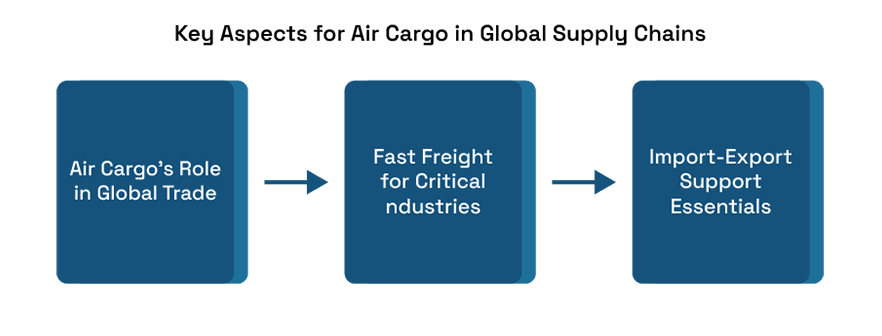
Key Aspects for Air Cargo in Global Supply Chains
Air cargo remains a main element of global trade facilitation, mainly for industries requiring quick transport such as electronics, medical, and automotive components. The Generalized System of Preferences increases this efficiency by working with international Incoterms and trade agreements. When combined with Comprehensive import-export support and strong import-export registration systems, GSP allows businesses to reduce lead times and streamline customs approval. Moreover, services such as importer of record services, exporter of record services, and Export customs brokerage confirm that shipments meet every documentation and agreement requirement under GSP-based trade preferences.
You Can Boost Your Global Trade With The Generalized System Of Preferences
Businesses can use GSP to expand into new markets and minimize costs related to DDP shipping and Delivery Duty Paid services. By pairing GSP advantages with strong freight forwarding services and major air cargo planning, exporters can create a more resilient logistics network. For instance, under DAP or DAPs (Delivered at Place) terms, exporters can manage deliveries effectively without bearing the full load of import duties. Coupled with the GSP system, these logistics approaches support exporters in guiding difficult import-export business environments while maximizing profitability and trade compliance.
Challenges and Considerations for Air Cargo
Despite its benefits, applying the Generalized System of Preferences in air cargo trade involves several challenges. Constant updates in international export regulations, HS code classification changes, and shifts in eligibility criteria can affect exporters’ planning. Also, air cargo operators must coordinate with Customs clearance support teams to confirm accuracy in tariff applications under GSP. Integrating importer of record services and freight forwarding service expertise helps reduce risks related to duty miscalculations or documentation errors. Confirming proper working between the Generalized System of Preferences advantage and the Delivered Duty Paid logistics terms requires expert oversight, specifically for businesses engaged in global supply chain services and export register documentation.
Conclusions
The Generalized System of Preferences (GSP) continues to change the dynamics of air cargo trade by promoting inclusive global trade and smoother cross-border movement of goods. Through tariff relief, simplified customs clearance support, and a combination with freight forwarding services, GSP strengthens trade links between developing nations and advanced markets. When working with effective Incoterms, importer of record services, and Comprehensive import-export support, the Generalized System of Preferences allows businesses to achieve sustainable growth and global reach. As the demand for effective logistics and global trade facilitation grows, using the Generalized System of Preferences remains a major strategy for competitive success in the air cargo industry.
DID YOU KNOW?
Arada added that Thailand’s use of Generalized System of Preferences (GSP) trade privileges continued to grow, with GSP use of US$1.84 billion in the first half of 2025, accounting for 45.40% of eligible GSP trade.
FAQs:
What is the Generalized System of Preferences (GSP)?
The Generalized System of Preferences (GSP) is a trade program that provides tariff reductions and customs advantages to eligible developing countries, promoting global trade and export growth.
How does GSP benefit air cargo trade?
GSP boosts air cargo trade by lowering import duties, simplifying customs clearance, and enhancing competitiveness for exporters in global supply chains.
Which industries gain most from GSP in air freight?
Industries such as electronics, medical devices, and the automotive sectors benefit significantly due to their reliance on fast, efficient air freight logistics.
What role do HS Codes and Incoterms play in GSP air cargo trade?
HS Codes classify products for tariff benefits, while Incoterms define trade responsibilities. Together, they ensure accurate duty applications under GSP agreements.
How can businesses maximize GSP benefits in air cargo logistics?
Businesses can combine GSP advantages with professional freight forwarding services, importer of record support, and compliant customs documentation for cost-efficient global trade.