Overview
The global trading sector faces complexity through separate regulatory systems that control international shipments. The World Customs Organization, through its Harmonized Tariff System / HTS, provides essential structures that support international trading operations. The system demands complete understanding from businesses to support effective logistics operations for their shipment needs. The basic elements of HTS are important for importers, exporters, & logistics companies because they lead to lower costs and supply chain delays. This guide explains HTS fundamentals while exploring their relationship with what DAP stands for, HS codes & Incoterms, and the meaning for importers holding the record and their duties. Understanding the HTS system will allow you to base your importing decisions with clarity because you operate in sectors such as aviation & healthcare equipment, IT, data center equipment, and automobiles.
What Is HTS and Why Is It Important for Imports?
The Harmonized Tariff System / HTS operates as an official system for categorizing products during international trade to determine import duties, taxes, and regulatory procedures. Global countries depend on this system, which helps them identify unique HS Codes for each product based on its characteristics.
This system helps customs officers decide the correct duties and check trade rules. Each aviation product is given an HS Code when it is imported. The duty charged depends on this code, as it is set by country rules and trade agreements.
It is necessary to explain what exactly HTS codes are to any person involved in international trade. HTS stands for Harmonized Tariff Schedule, and it is used in the classification and naming of products meant for importation. It determines when you should pay how much tax or duty for the goods to be imported into a particular country.. The HTS tariff also shows if your products can get tax benefits based on trade agreements. If the wrong HTS code is used, it can lead to delays, extra costs, or even fines.
The Role of HS Code in the HTS System
For 2026, international trade requires a full 10-digit Harmonized System (HS) code, rather than just the first six, to calculate precise duty and VAT rates. Utilizing the Integrated Online Tariff for accurate 10-digit classification is essential for digital customs clearance and tax assessments for products, such as automobile components under category 8708.99. You can read more about 2026 trade regulations on the UK government’s trade website.
Importance of Accurate HS Code Classification in Global Trade Compliance
Correct HS Code classification is important in global trade since it helps decide the correct import taxes, customs fees and regulatory requirements for each good. Because of incorrect tariff code can cause shipment delays, extra costs, or penalties during customs clearance. Proper product classification helps to speed up global delivery. It provides correct duty calculation and helps efficient customs clearance. For industries like IT hardware, aviation components, medical equipment, and automotive components, this is very important.
Key Incoterms in International Trade
Standard shipping terminology known as Incoterms boosts contract usage in global transport agreements. Both buyers & sellers establish their respective obligations regarding tariff duties and insurance through these standard terms that govern shipping responsibilities. International trade includes numerous Incoterms, but one frequently used term is DAP (Delivered at Place), in which sellers must complete movement to designated points, yet they need not cover import taxes. During the import of aviation parts from the U.S. to the Middle East, the importer of record located in the Middle East takes responsibility for customs clearance and tariffs for the shipment. DDP (Delivered Duty Paid) represents a more advanced Incoterm because sellers must pay every shipment expense from delivery through customs clearance and border clearance payment under this agreement.
Tariff Rates and the Impact on Supply Chains
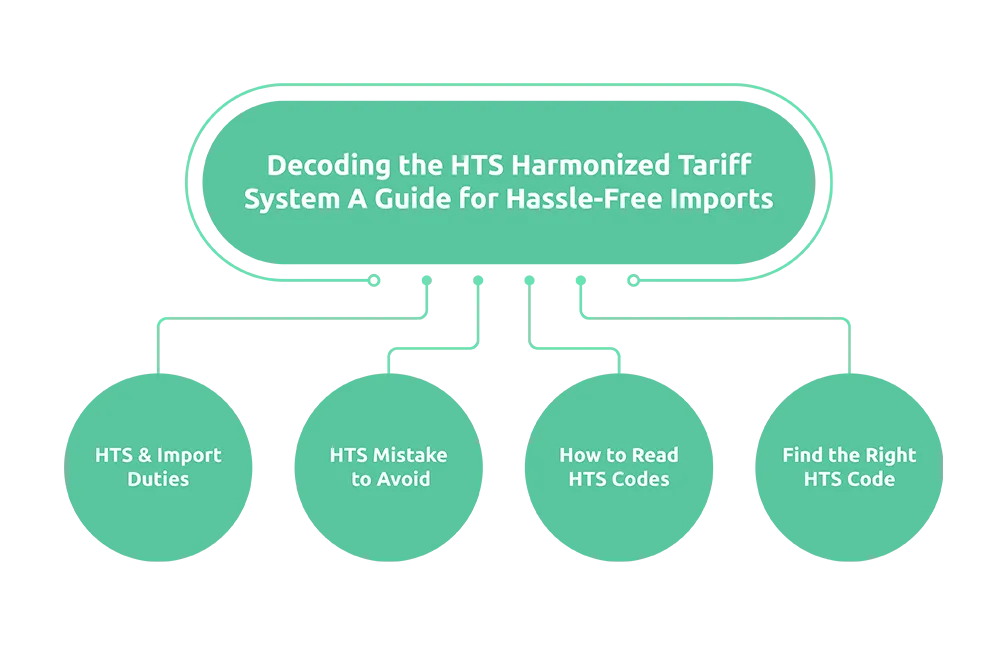
Understanding the harmonized system code and answering the question “what is HS code” is critical for achieving smooth customs clearance and strong global trade compliance. The correct HS classification directly impacts DDP shipping, international ecommerce shipping, and freight forwarding services, especially for regulated goods such as telecom equipment, aviation parts, and data center hardware. Efficient freight forwarding service providers combine multimodal transport, accurate custom clearance, and advanced warehouse management services to reduce delays while shipments are in transit. Integrated warehousing services, storage and warehousing services, and scalable warehousing solutions support growing international shipping ecommerce operations. With evolving Incoterms 2025, businesses must align importer of record and exporter of record responsibilities while using air freight calculators to estimate costs, understand what is air freight, and plan white glove delivery when handling high-value MRO components. By adopting supply chain management best practices, AI powered demand forecasting tools, and sustainable trade models such as green logistics, companies can strengthen their telecommunication supply chain strategy, improve sourcing MRO, and ensure compliant freight forwarding to Canada, freight forwarder Melbourne routes, and seamless international ecommerce shipping worldwide.
Importer of Record Services: A Must for International Trade
Importer of record function as vital connectors between international trade partners by decreasing the complexities that occur during foreign commerce. These services include the execution of documentation, the management of conventions that control import actions, and the facilitation of customs clearance operations free from delays. Commercial importers who seek an importer of record service gain automatic process management through these specialized expert services. Through these services, your business gets tariff rate compliance assistance and customs rule compliance. They will handle your company’s compliance needs while you focus on other tasks. Equipment in the aviation and healthcare sectors is important because it must meet demanding regulatory requirements before importation. The shipment will experience delays and penalties if there is no dedicated importer of record.
Conclusion
To perform imports efficiently and smoothly, one needs a full understanding of HTS and HS Codes plus tariff rates and importer of record tasks. These factors determine cost control, delay prevention, and regulatory compliance achievement. Our partnership with One Union Solutions guarantees specialized care for complex shipments, particularly those sent to aviation health, care, and IT equipment sectors. The specialized support services from our team ensure that import deliveries reach their destinations on time, within budget, and without any problems encountered.
Did You Know,
HS Coding categorizes goods into approximately 5,000 commodity groups, used in by more than 200 countries worldwide.
FAQs
1. How does One Union Solutions help with HS and HTS classification?
One Union Solutions helps businesses assign accurate HS codes, ensure trade compliance, and reduce customs risks for smooth international shipping.
2. Why is correct tariff classification important in global trade?
Correct tariff classification ensures goods are taxed properly, comply with customs rules, and move smoothly through international borders.
3. How does misclassification affect international trade?
Misclassification can lead to shipment delays, extra inspections, higher duties, and compliance penalties.
4. How does One Union Solutions support HS code accuracy?
One Union Solutions helps businesses ensure correct HS classification, improve compliance, and avoid customs issues during global shipping.
5. Do digital customs systems require HS codes?
Yes, most modern customs systems require accurate HS codes for electronic filing and clearance.