Overview
There are a lot of problems in West Asia now and this is causing trouble for people who do business all around the world. The Centre is doing something about it. They are taking steps to make sure that packages are safe and that things get delivered on time. This is very important for some industries, like IT and aviation and medical equipment. For these industries it is really important that things get delivered on time and that the products are safe. The Centre is trying to help with this. West Asia problems are making it hard for businesses to get things done.
The conflict has caused shipping to take longer , made freight more expensive and increased the risk of cargo getting damaged because of changed routes. Companies that import and export goods are now paying attention to packaging and flexible shipping plans. They want to make sure their goods arrive safely and on time. Packaging and shipping plans are very important for these companies. Companies that import and export goods need to have packaging and shipping plans. This is why companies that import and export goods are looking for ways to make their shipping more reliable; they want packaging and shipping plans that work well for them.
The Centre is doing things to help businesses. They want to make sure businesses have infrastructure. The Centre also wants to help businesses come up with ideas and make sure they can keep trading with other countries even when there are problems between countries. They want to support them with things like infrastructure and innovation. This way trade can keep moving no matter what is happening in the world.
Future Of Packaging
The future of packaging is changing fast because of all the changes happening. Businesses are trying ways to package things instead of doing it the old way. They are using materials that can withstand bumps and drops. They are also using packaging that keeps things at the right temperature, which is important for sensitive and fragile goods. Packaging is getting smarter too with things like packaging that can tell us where the package is and if everything is okay inside which is really helpful for packaging. This is what the future of packaging looks like with packaging that’s strong and smart like packaging that can track itself and tell us if something is wrong.
Sustainability is becoming a deal. Companies are looking for materials that’re good for the environment and also work well when things get tough. This is really important for things like aviation equipment, where the products have to be perfect. New ways of packaging are helping to reduce the chances of something going wrong. Sustainability is a focus for these companies. They need to make sure their products are safe and work well. That is why sustainability is so important.
Additionally, digital integration in packaging is gaining traction. Smart labels and IoT-enabled packaging systems allow businesses to monitor shipments throughout their journey, ensuring transparency and accountability. This shift is particularly beneficial in long and uncertain transit routes caused by the West Asia conflict.
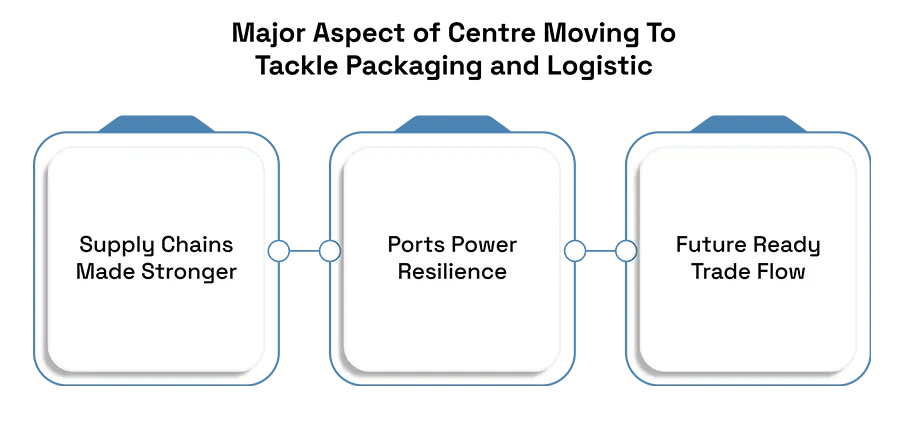
Major Aspect of Centre Moving To Tackle Packaging and Logistic
It wants to make the supply chain stronger. The Centre thinks that if people work together better and have infrastructure the supply chain will be stronger. The government is looking for ways to move things around. It wants to make the ports better so that the country does not have to rely on areas where there is disputes. The Centre is trying to reduce dependency on conflict-affected regions by doing this. The Centre wants to make sure that the supply chain is strong and that the country can get the things it needs without problems.
Another key focus is enhancing packaging standards across industries. Businesses are being encouraged to adopt high-quality packaging solutions that can withstand extended transit times and rough handling. This is especially important for high-value and sensitive goods such as aircraft components, IT equipment, and medical devices.
The Centre is also promoting collaboration between stakeholders, including manufacturers, freight operators, and regulatory bodies. This collaborative approach ensures that challenges are addressed collectively and solutions are implemented effectively. For import-export businesses, this means better alignment with evolving regulations and smoother operational processes.
Key Factors of Packaging and Logistic
Several key factors are shaping the current landscape of packaging and logistics amid the West Asia conflict. First, route diversification has become essential. Companies are looking for ways to ship things so they can avoid areas that are not safe. This means it will take longer for things to get to where they need to go. Companies like these shipping paths because they help companies avoid high-risk zones even if companies have to deal with longer transit times for the companies.
Cost management is important for companies to balance their shipping expenses and cost management is something that companies really need to think about when they’re shipping goods.
Third, risk mitigation is now a top priority. This includes investing in robust packaging, securing cargo insurance, and implementing contingency plans for unexpected disruptions. For industries like automotive and aviation, where delays can impact production schedules, effective risk management is crucial.
Fourth, technology adoption is transforming operations. From real-time tracking systems to automated documentation processes, digital tools are helping businesses adapt to changing conditions. These technologies enhance visibility, improve decision-making, and reduce the likelihood of errors.

Conclusion
The government is taking steps to deal with problems related to packaging and delivery. This is happening because of issues in West Asia. The goal is to protect trade and help important industries. By focusing on resilience, innovation, and collaboration, these initiatives are helping businesses navigate an increasingly complex environment. For import-export companies operating in IT, aviation, medical, and automotive sectors, adapting to these changes is essential. Investing in advanced packaging solutions, leveraging technology, and staying aligned with regulatory developments can significantly enhance operational efficiency.
It is also a chance for businesses to grow and try new things in the years to come. Businesses that are prepared for changes in packaging and logistics will be in a position to succeed with their packaging and logistics. The future of packaging and logistics is not clear . One thing is clear: businesses that are flexible, with their packaging and logistics will do well with their packaging and logistics.
DID YOU KNOW
“The secretary emphasised the need for undertaking time-bound assessments of key packaging inputs, including mapping domestic production capacity and identifying import dependencies. ”
FAQs
- How is the West Asia conflict affecting global shipping routes?
It is causing route diversions, longer transit times, and increased freight costs due to safety concerns in key trade corridors. - Why is packaging becoming more important during geopolitical disruptions?
Stronger and smarter packaging helps protect goods from damage during extended and uncertain transit conditions. - What industries are most impacted by these logistics challenges?
Industries like aviation, medical equipment, automotive, and IT are highly affected due to their reliance on timely and secure deliveries. - What steps is the Centre taking to support businesses?
The Centre is improving infrastructure, promoting alternative routes, and encouraging better packaging standards to reduce risks. - How can businesses adapt to ongoing logistics disruptions?
By adopting advanced packaging, using real-time tracking technologies, and planning flexible shipping strategies to manage uncertainties.