
As of late, the interest in clinical contraptions has flooded across the globe. From demonstrative gadgets to cutting-edge diagnostic hardware, these contraptions assume an urgent part in current medical care, empowering exact determinations, observation, and therapy. Notwithstanding, however, as basic as these gadgets may be, the most common way of bringing them in is nowhere near clear. Clinical contraptions face severe administrative examination, complex traditions prerequisites, and calculated difficulties, which can muddle their journey from producer to end client. These intricacies make it fundamental for merchants to explore a labyrinth of consistency and documentation, particularly while managing worldwide business sectors.
Understanding Medical Gadget Imports and the Need for IOR Services
Medical gadgets are particular gadgets intended to analyze, screen, or treat medical issues. They range from complex imaging frameworks like X-rays and CT scanners to individual analytic apparatuses, for example, glucose meters, beat oximeters, and versatile ECG gadgets. In a medical care scene that undeniably depends on accuracy and patient-focused care, these devices have become fundamental, working on tolerant results and upgrading clinical capacities.
From clinics to home medical care, medical gadgets smooth out the methodology and enable the two experts and patients. Nonetheless, with their indispensable job comes a requirement for severe administrative consistency to guarantee well-being and viability, particularly when these gadgets are obtained globally.
Importing medical gadgets involves guiding difficult regulatory approval, where precision in HS code classification, adherence to Incoterms such as Delivered Duty Paid (DDP), and specialized white glove delivery services are critical to success. Accurate HS code assignment confirms smooth customs clearance, while DDP Incoterms shift import commitment to the seller, reducing unwanted fees and simplifying global logistics. Work with white glove delivery, which confirms secure handling, unpacking, and setup of fragile equipment. These elements work together to maintain agreement, minimize delays, and safeguard the combination of high-value medical devices throughout the supply chain.
How Importer of Record Services Simplifies Imports
The Importer of Record (IOR) plays a pivotal role in ensuring that medical gadgets, particularly those subject to stringent regulations, meet all import requirements. An IOR is responsible for handling the entire import process, from regulatory compliance to customs documentation, allowing importers to focus on their core business. This is especially valuable in the medical gadget industry, where complex compliance standards and safety regulations are a priority.
The Importer of Record (IOR) ensures that medical gadgets comply with all import laws and regulations. They manage the entire import process, including customs paperwork and regulatory requirements. This allows importers to focus on their core business while ensuring safe and compliant delivery of medical devices.

Regulatory Compliance and Harmonized System Code Requirements
The Harmonized System Code (HS Code) assumes a basic part in the importation of clinical devices, as it groups merchandise and assists customs specialists with deciding the relevant obligations, charges, and import limitations. The exact HS code task is crucial because wrong codes can prompt postponements, punishments, or even dismissals at the line. Every clinical contraption class has explicit HS codes, and slight mistakes in the grouping can confound consistency and upset the production network.
In addition to HS codes, regulatory compliance for medical equipment often involves obtaining certifications, licenses, and adherence to international standards. Numerous nations require severe adherence to somewhere safe and secure and quality guidelines for imported clinical gadgets, and neglecting to meet these can forestall market passage. The Importer of Record (IOR) guarantees these codes are accurately applied and all administrative prerequisites are met, lessening the gamble of issues at customs and guaranteeing a smooth import process.
Navigating DDP and DDP Incoterms in Medical Gadget Imports
The Delivered Duty Paid (DDP) Incoterm is especially advantageous for medical gadget imports as it puts full liability regarding expenses, dangers, and customs obligations on the merchant until the products arrive at the shipper. In this plan, the merchant deals with all expenses related to transport, import obligations, and conveyance to the last objective. This is critical for clinical contraptions since it permits shippers to stay away from surprising charges and smooth out planning and operations.
By using DDP Incoterms, importers receive medical devices with the assurance that all costs have been pre-calculated, eliminating hidden charges and enabling smoother, predictable imports. For international shipments, DDP clarifies the responsibility between the importer and exporter, making the transaction more efficient and transparent, especially for complex items like medical gadgets that demand careful handling and compliance.
Challenges with Customs and International Compliance Standards
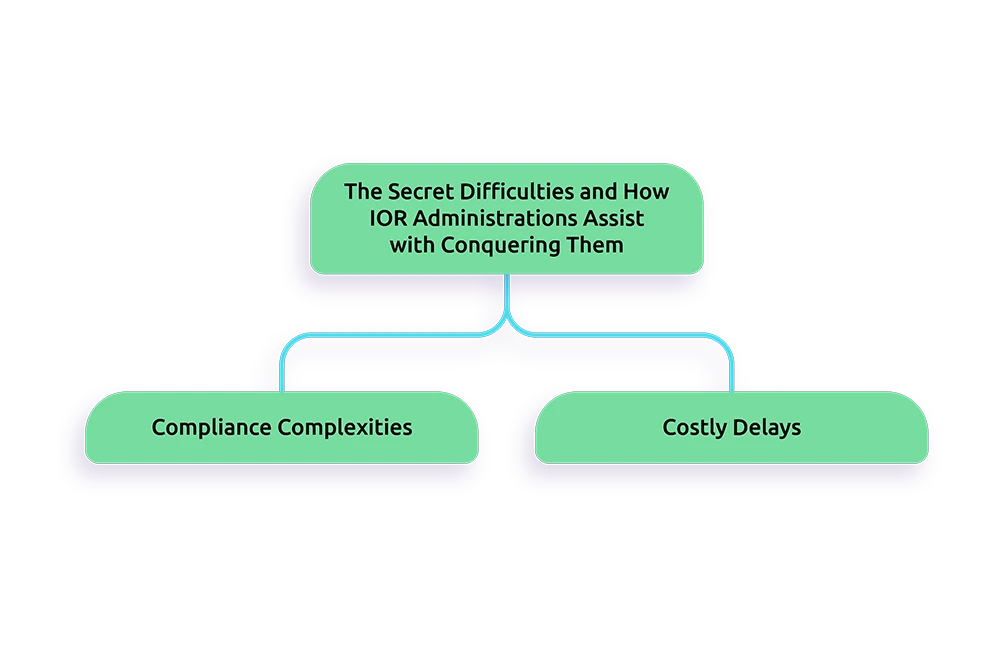
Customs clearance is a challenging part of medical gadget imports due to complex international compliance standards. Customs authorities often scrutinize medical devices for safety and regulatory compliance, which can result in extended delays or even rejections without proper documentation and adherence to import standards. Additionally, variations in standards between countries add another layer of complexity, requiring a thorough knowledge of each market’s specific requirements.
IOR services are instrumental in navigating these customs challenges, as they handle documentation, HS code accuracy, and regulatory adherence. Leveraging the Generalized System of Preferences (GSP), IOR services help importers take advantage of reduced duties on eligible medical gadgets, where applicable. This not only reduces import costs but also enhances the likelihood of smooth customs clearance, ensuring the devices reach their destination without unnecessary delays or expenses, thereby maintaining the supply chain’s efficiency and reliability.
Conclusion
In today’s complex landscape of medical gadget imports, navigating regulatory requirements, customs clearance, and logistics demands expertise and precision. One Union Solution’s Importer of Record (IOR) services are essential in overcoming these challenges, allowing medical equipment to reach its destination smoothly and securely. From managing Harmonized System Codes to leveraging DDP Incoterms and white glove delivery, One Union Solution ensures your imports are compliant, cost-effective, and worry-free. By entrusting these intricate processes to our experienced team, you can focus on advancing healthcare and delivering critical solutions to those who need them most. Ready to simplify your imports? Partner with One Union Solution for seamless, compliant medical gadget import solutions.
DID YOU KNOW
“Importing medical devices requires compliance with strict international standards, including specific HS Codes. Even a small error in classification can lead to customs delays or fines!”
FAQs
What are the main challenges in importing medical gadgets?
Importing medical gadgets is complex due to strict regulations, detailed customs procedures, and the need for correct HS Codes. Many devices also require certifications, licenses, and adherence to high safety standards, making the process more challenging than importing regular goods.
How does an Importer of Record (IOR) help simplify medical gadget imports?
An IOR manages all regulatory and customs requirements on behalf of the importer. They handle documentation, HS code classifications, and customs clearance, reducing delays, fines, and complications to ensure a smooth import process.
What is Delivered Duty Paid (DDP), and how does it benefit medical gadget importers?
DDP is an Incoterm where the seller covers all costs and risks, including duties, until the goods reach the importer. This gives importers cost predictability and eliminates surprise fees, ensuring medical gadgets arrive ready for use.
Can the Generalized System of Preferences (GSP) reduce import costs for medical gadgets?
Yes. GSP can lower or waive duties on eligible medical gadgets from certain countries. An experienced IOR can identify GSP-eligible items and apply the benefits, helping importers save on costs.
Why is white glove delivery important for medical gadgets?
White glove delivery ensures sensitive and high-value medical devices are handled, unpacked, and installed carefully. It reduces the risk of damage during transit and guarantees devices arrive in perfect condition, which is crucial for time-sensitive equipment.