Overview of the Auto Parts Industry
The auto business depends intensely on a huge swath of parts and components to guarantee the functionality and well-being of vehicles. From motors and brakes to electrical frameworks and body boards, vehicle parts are the structural blocks of every auto out and about. In the present worldwide economy, obtaining these parts has developed into a perplexing cycle that includes global exchange, and calculated coordination.
Importance of Auto Parts in the Automotive Sector
Car parts play a fundamental part in gathering vehicles as well as in staying aware of them. Top-notch parts can upgrade vehicle execution, increase security, and improve efficiency. As the interest in inventive advancements, for example, electric and mixture vehicles develops, the requirement for specific car parts has never been more vital. Consequently, a powerful store network for car parts is fundamental for makers to remain competitive in the lookout. Delivery Duty Paid (DDP) services are increasingly necessary in this sector, as they confirm that sellers manage all shipping costs, duties, and taxes until the auto parts reach the buyer’s location, reducing fees and simplifying global logistics. Businesses benefit from DDP services by reducing approval risks, simplifying customs clearance, and improving delivery timelines. Using tools such as the Harmonized System Code (HS Code) and trade programs such as the Generalized System of Preferences (GSP), organizations can cut costs and confirm regulatory agreement.
Understanding Import and Export in the Auto Industry
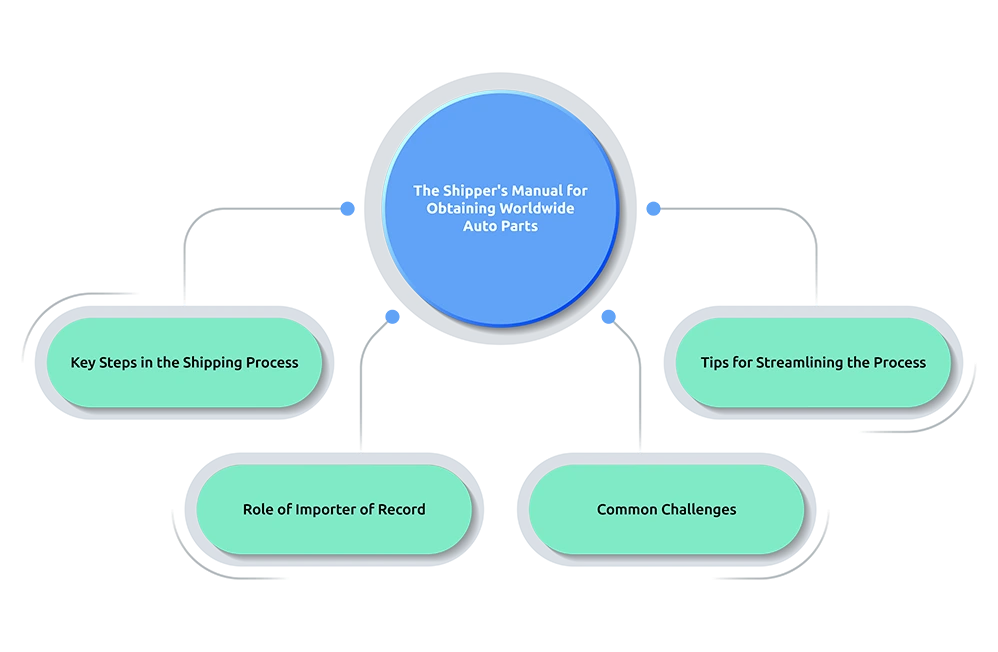
What is an Importer of Record?
An Importer of Record (IOR) is an individual or component at risk for ensuring that an imported product complies to the guidelines and rules of the objective country. The IOR fills in as the lawful element for the customs clearance process and is responsible for any obligations, charges, and consistency issues connected with the importation of merchandise.
The importance of Complying with Local Laws and Regulations Consistent with nearby regulations and guidelines is significant for a smooth import process. Resistance can prompt extreme outcomes, including exorbitant fines, delays in shipment, or even legitimate activity. In this manner, understanding the specific requirements of the destination country is essential for anyone involved in international trade.
What is an Exporter of Record
An Exporter of Record (EOR) is the substance answerable for guaranteeing that sent-out merchandise agrees with the regulations and guidelines of the trading country. Like the IOR, the EOR assumes an essential part in the worldwide exchange, guaranteeing that all product processes are led lawfully and proficiently.
How EOR Services Facilitate Smoother Transactions and Compliance Using EOR administrations can essentially smooth out the commodity cycle for organizations, especially those entering new business sectors. By utilizing their ability, organizations can:
Key Regulations and Guidelines
Harmonized System Code (HS Code)
The Harmonized System Code (HS Code) is a globally normalized mathematical strategy for ordering exchanged items. Created by the World Customs Organization (WCO), the HS Code is utilized by customs specialists all over the planet to distinguish merchandise while surveying obligations and charges, implementing exchange guidelines, and social event exchange insights. Each code comprises somewhere around six digits, which can be reached out to eight or ten digits for additional particular characterizations.
Generalized System of Preferences (GSP)
The Generalized System of Preferences (GSP) is a trade program that gives extraordinary commitment-free induction to explicit things imported from allocated countries. Laid out by the US and embraced by different countries, GSP means to advance monetary development in agricultural nations by empowering exchange. Under this program, qualified nations can trade many merchandise, including vehicle parts, to created nations at diminished or zero duties.
The Generalized System of Preferences (GSP) is a trade program that allows certain products from selected countries to be imported with reduced or zero customs duties. Introduced by the United States and adopted by several other countries, GSP aims to support economic growth in developing nations by encouraging trade. Under this program, eligible countries can export a wide range of goods, including auto parts, to developed markets at lower or no duty costs, helping businesses reduce import expenses and improve competitiveness.
Logistics and Shipping Options
DDP (Delivered Duty Paid)
DDP (Delivered Duty Paid) is an Incoterm that tends to a transportation understanding where the dealer deals with moving items until they show up at the buyer’s doled-out region. This incorporates taking care of all costs connected with transportation, protection, and customs obligations.
White Glove Delivery Services
White glove delivery is a top-notch transportation service that incorporates particular handling, installation, and care during the conveyance cycle. This assistance is especially applicable in the vehicle parts industry, where parts might be fragile or require cautious handling to ensure ideal functionality.
Streamlining Your Shipping Process
Selecting the right shipping partners is crucial for efficiently sourcing worldwide auto parts.
- Research and Reviews: Investigate potential shipping partners by reading customer reviews and seeking testimonials. Reliable partners often have a proven track record of timely and secure deliveries.
- Industry Experience: Choose shipping companies with experience in the auto parts industry. How they might interpret the particular necessities and guidelines connected with car parts can have a massive effect on help quality.
- Extensive Administrations: Search for transportation accomplices that offer a great many administrations, including customs leeway, warehousing, and white glove delivery. A one-stop shop can simplify logistics and improve communication.
Conclusion
In the high-speed universe of the auto business, getting overall car parts effectively is urgent for keeping an upper hand. By grasping the complexities of worldwide delivery, including the jobs of Importer of Record (IOR) and Exporter of Record (EOR), as well as utilizing key guidelines like the Harmonized System Code (HS Code) and the Generalized System of Preferences (GSP), organizations can explore the intricacies of worldwide exchange all the more.
As the auto area keeps on advancing, embracing inventive delivery procedures will be fundamental for progress. By carrying out the accepted procedures illustrated in this aide, One Union Solution will improve its stock fastens and adjust to the unique requests of the market.
DID YOU KNOW
“The Harmonized System Code (HS Code) is used by over 200 countries worldwide to classify goods for customs purposes. Accurate classification can help businesses avoid fines and ensure compliance with regulations.”
FAQs
What is the role of an Importer of Record (IOR)?
The Importer of Record is responsible for legally bringing goods into a country. The IOR handles customs clearance, pays duties and taxes, and ensures all local laws and regulations are followed.
How does the Generalized System of Preferences (GSP) help businesses?
GSP allows certain products from eligible countries to be imported with reduced or zero duties. This helps businesses lower import costs and stay competitive.
What are DDP Incoterms, and why are they useful?
DDP (Delivered Duty Paid) means the seller takes responsibility for all shipping costs, including duties and taxes, until the goods reach the buyer. This makes the process easier for buyers by avoiding surprise costs.
What is white glove delivery, and why is it important for auto parts?
White glove delivery is a premium service that includes careful handling and proper installation. In the auto parts industry, it helps protect high-value or delicate components and ensures they are installed correctly.
How can businesses improve shipping efficiency when sourcing auto parts?
Businesses can improve shipping efficiency by working with trusted logistics partners, planning their supply chain well, maintaining strong trade relationships, and using services like DDP and white glove delivery to reduce delays and extra work.