
Overview
In today’s world things are changing fast. This is especially true for trade. It is getting more complicated all the time. There are a lot of chances for companies to do business with countries. At the time there are more rules that companies have to follow when they do business with other countries. For companies that bring things into the country or send things to countries following these rules is a big problem. This is particularly true for companies that do business in different parts of the world and, in different industries.
For businesses in the IT sector, the aviation sector, the automobile and the medical sector doing what they are supposed to do is not just about following the rules. It is about making sure everything runs smoothly avoiding getting in trouble and keeping a good reputation. From making sure documents are correct to following trade laws every step in the supply chain for international trade must be done the right way according to international standards for international trade. As the rules for trade keep changing, making sure to follow the rules has become something that companies that do international trade is a top priority.
Future of Compliance
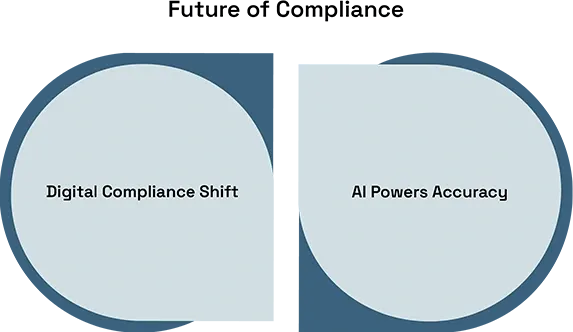
The future of compliance in trade is really changing because of digital transformation and stricter global regulations. International trade compliance is getting a lot of attention from governments and regulatory bodies. They are using technologies to keep an eye on international trade activities. This means businesses that do trade need to stay up to date with international trade compliance.
Automation and artificial intelligence are playing a key role in simplifying compliance processes. Companies are turning to the best trade compliance software for import export rules to handle complex regulatory frameworks and reduce human error. These tools not only improve accuracy but also provide real-time insights into changing regulations.
Another important trend is the move toward greater transparency. Businesses are expected to maintain detailed records and ensure traceability across the supply chain. This is particularly crucial in industries like aviation and medical equipment, where safety and quality standards are non-negotiable. They will take it into account when they plan to expand into new markets.
Major Aspect of Compliance in Trade Firms
One of the major aspects of compliance in trade firms is managing regulatory documentation and classification systems. Proper use of frameworks such as HS code and HTS harmonized tariff schedule ensures that goods are classified accurately, reducing the risk of delays and penalties. Additionally, understanding and applying Incoterms like DAP and DAPs is crucial for defining responsibilities between buyers and sellers. These terms help avoid disputes and ensure clarity in international transactions.
Companies use importer of record service and exporter of record services to help them do things the way. Importer of record service and exporter of record services take care of a lot of things like paperwork and rules that companies have to follow.
One important thing to think about is how compliance works with logistics and supply chain operations. Companies need to make sure that the systems they use to manage their products and orders follow the rules. People often ask if a customs broker can handle the paperwork, for both bringing things into the country and sending things out of the country. This is because companies are looking for ways to make things easier and more efficient when it comes to logistics and supply chain operations and compliance.

Key Factors of Compliance
Several factors contribute to the complexity of compliance in international trade. One of the most important is the constant change in trade regulations. Policies, tariffs, and trade agreements are frequently updated, requiring businesses to stay informed and adaptable.
Risk management is very important. Not following rules can cause problems, like fines, delayed shipments and a bad reputation. This means companies must take steps to follow rules and use systems. Companies need to be proactive about following rules. Customs clearance processes also play a vital role. Ensuring that all documentation is accurate and complete is crucial for avoiding delays at borders. This is particularly important for time-sensitive shipments in industries like aviation and medical equipment.
Moreover, the growing complexity of global supply chains adds another layer of challenge. As businesses expand into new markets, they must navigate different regulatory environments, each with its own set of rules and requirements. Finally, we need professionals. Compliance needs experts who pay attention to details. This makes it very important for companies to spend compliance. Companies must invest in compliance training.
Conclusion
Compliance has become the backbone of successful international trade operations. While it presents significant challenges, it also offers opportunities for businesses to strengthen their processes and build trust with stakeholders.
Import and export companies that work in the IT field or with aviation’s, medical industry and automotive really need to follow the rules. These companies can use shipping services that go to countries and they can also use special tools to help them follow the rules. They should also try to make their supply chain better so they can handle all the rules and regulations that’re in place for import and export industry.
The world is getting more connected every day. This means companies need to be good at dealing with rules and regulations. If a company is good at this, it will be more competitive. Companies that work on making their rules and regulations strong now will do well in the future when it comes to trading with countries.
DID YOU KNOW
“In an era defined by geopolitical friction, tariff measures, and rapidly evolving regulatory landscapes, compliance is no longer a back-office checklist or a cost center — it is the strategic backbone that makes global expansion possible, predictable and sustainable. “
FAQs
- Why is trade compliance becoming more complex today?
Because global regulations, sanctions, and documentation requirements are constantly changing across different countries and industries. - How does non-compliance affect international businesses?
It can lead to heavy fines, shipment delays, legal issues, and damage to a company’s reputation. - Which industries face the highest compliance pressure?
Industries like aviation, medical equipment, IT, and automotive face stricter regulations due to safety and technical standards. - How can businesses improve their compliance processes?
By adopting digital tools, staying updated on regulations, and ensuring proper documentation and internal controls. - Is compliance only a legal requirement or a business strategy?
It is both—while it ensures legal operations, it also helps build trust, efficiency, and long-term growth in global markets.