Overview
The automotive industry is evolving rapidly, driven by technological innovation, regulatory pressure, and the growing need for transparency across global operations. One of the most transformative technologies enabling this shift is blockchain. As supply chains become more complex and interconnected, businesses are looking for reliable ways to track components, verify authenticity, and ensure accountability at every stage. Blockchain for traceability is emerging as a powerful solution to address these challenges.
For companies that do import and export work those that deal with IT, aviation, medical, and automotive sectors—traceability is no longer optional. It is very necessary for these companies to keep up quality, avoid problems and maintain quality standards, reduce risks, and meet customer expectations in a competitive global market.
Blockchain for Traceability
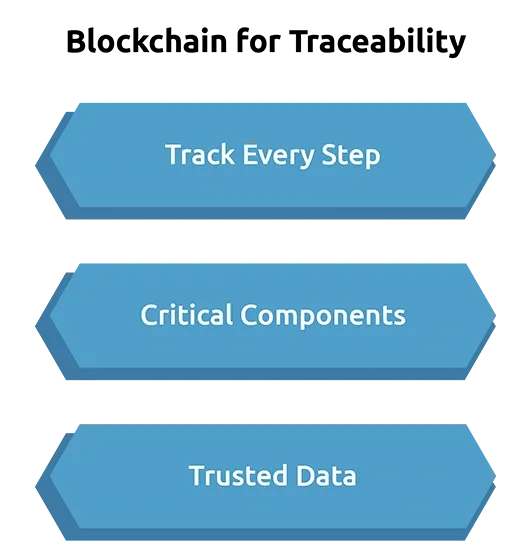
Blockchain technology functions as a decentralized and immutable digital ledger nothing can be erased. In the context of automotive supply chains, Blockchain technology helps us keep track of everything. We can see what happens to every part right from the production till assembly.
The fact that everything is out in the open helps manufacturers and suppliers figure out where parts really come from. They can also spot components and make sure they are following all the industry rules. For example important car parts, like semiconductors and braking systems and electronic modules can be tracked from start to finish. This means there is a chance of something going wrong or someone trying to cheat the system with counterfeit automotive parts.
Blockchain also enhances trust among stakeholders. When you use the Blockchain you can be sure that the information is correct because it cannot be changed once it is recorded. This means that the manufacturers and the suppliers and the distributors can all look at the information and know it is true. This reduces disputes, improves collaboration, and strengthens overall supply chain integrity.
Automotive Supply Chains
Automotive supply chains are among the most complex in the world, involving multiple tiers of suppliers spread across different regions. A single vehicle may require thousands of components sourced from various countries, making coordination and visibility a major challenge.
With increasing demand for electric vehicles and advanced automotive technologies, old systems can’t always show what’s happening in time which causes delays, makes things less efficient and increases risks. Blockchain integration makes it possible to track and verify transactions in a way, which can help solve some of these problems. Electric vehicles and advanced automotive technologies need efficient systems to work well.
By connecting every stage of the supply chain with technology, blockchain makes it easy to share data and work together smoothly. This helps make choices by giving correct and current details about inventory, how production is going and where shipments are. It is especially vital for businesses that import and export goods. Need to handle operations across borders in an efficient way.
Traceability in Automotive Supply Chains
Traceability in automotive supply chains refers to the ability to track the history, location, and status of components throughout their lifecycle. Blockchain helps with this by giving us a view of what is happening from start to finish and by providing updates in real time, about these automotive components. This way we can always know what is going on with the components.
One of the advantages of using blockchain to track products is that it helps improve quality control. When a problem is found with a part manufacturers can quickly figure out where it came from and fix the issue. This reduces the cost of recalling products. Blockchain-based traceability makes it easier to identify and fix problems with components.
Blockchain also helps companies do things that’re better for the environment. This is because blockchain lets companies keep track of where the products come from. Companies can use blockchain to see if the materials they use are sourced in a way and make sure they are following environmental rules.
Import – Export Perspective
From an import-export perspective, blockchain is reshaping how businesses manage global automotive supply chains. It bridges the gap between physical movement and digital documentation, ensuring that every transaction is accurately recorded and easily accessible. For companies working across IT, aviation, medical, and automotive industries, this technology offers a unified approach to managing complex operations. By integrating blockchain with existing systems, businesses can improve efficiency, reduce risks, and enhance transparency across all stages of the supply chain. It also enables better collaboration with partners, ensuring smoother operations and stronger compliance in an increasingly regulated environment.
Conclusion
The use of Blockchain for traceability is really changing the way things work in supply chains. It is making everything very clear and easy to see. The Blockchain for traceability is also making things more secure. As the industry continues to evolve, the need for reliable and real-time tracking solutions will only grow stronger.
For companies that do business in different areas and import exports in other countries using blockchain technology is really important. Blockchain technology helps these businesses have control over what they do every day; it helps them follow the rules and builds trust among stakeholders.
The world is getting more complicated, blockchain will play a crucial role in ensuring that automotive components are tracked, verified, and delivered with precision. Companies that start using blockchain now will have a chance of doing well when it comes to trading with other countries, in the future.
DID YOU KNOW
“A robust traceability system would help organizations in inventory optimization reduce lead time and improve customer service and quality.”
FAQs
1.What is blockchain traceability in automotive supply chains?
It refers to using blockchain technology to track and record every stage of a component’s journey with secure and tamper-proof data.
2. How does blockchain improve transparency in automotive supply chains?
It creates a shared, immutable record that allows all stakeholders to access real-time and verified information.
3.Why is traceability important in the automotive industry?
It helps identify defects, prevent counterfeit parts, and ensures quality and safety standards are maintained.
4.Can blockchain help with regulatory compliance?
Yes, it provides accurate and verifiable records that simplify audits and meet regulatory requirements.
5.How does blockchain benefit import-export businesses?
It enhances visibility, reduces risks, and ensures smoother coordination across global supply chain operations.