Overview
Global trade is becoming more data-related, regulated, and time-sensitive in shipments. For import–export businesses working across IT, aviation, medical, and automotive industries, even small issues in documentation or HS code categorizations can show delays, penalties, or approval risks. Blockchain technology is growing as a dependable solution to increase customs traceability and simplify HS code classification across difficult international supply chains. Working with a safe, trusted digital record system, blockchain introduces clarity and responsibility into customs processes that conventionally depend on disconnected systems in global trade.
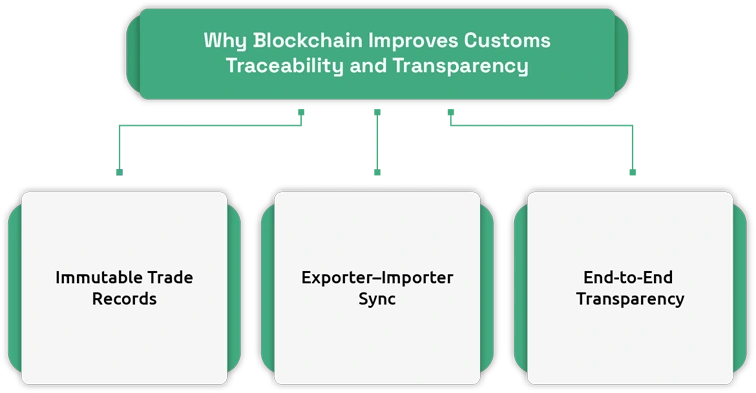
Why Blockchain Improves Customs Traceability and Transparency
Constant Records for Cross-Border Trade
Blockchain allows every shipment, document, and status update to be recorded in a constant record. This improves customs traceability by confirming shipment data cannot be changed once validated in the supply chain. For industries such as aviation and medical devices, where regulatory security is high, this level of clarity reduces problems and supports a quick customs clearance process during shipments.
Real-Time Visibility Across the Logistics Chain
In modern logistics, data is not frequently integrated across freight forwarders, customs brokers, and port authorities. Blockchain connects customers involved in international freight services, allowing real-time track to shipment milestones. This shared visibility supports smoother working between exporters and importers, reducing delays during inspections or audits.
How Blockchain Improves HS Code Classification in the Supply Chain
Standardized Product Data Management
Accurate HS code classification depends on consistent product descriptions and specifications. Blockchain allows product data to be standardized and validated at the source, making it easier to add goods to the correct HS code or HTS Harmonized Tariff Schedule. This is mainly valuable for automotive and IT components, where small variations can lead to miscategorizations of goods.
Audit-Ready Classification History
Each categorization decision can be stored on-chain, creating a traceable record that customs officials can review. This reduces the risk of recategorization and supports customs approval with international shipping terms and Incoterms used in global trade agreements.
Integration With Inventory and Order Management
When blockchain combines with inventory and order management systems, HS classification data flows smoothly from procurement to shipment. This reduces manual errors and supports supply chain optimization across high-volume trade lanes in global trade.
Regulation of Blockchain Technology for Customs Traceability Processing
Alignment With Global Customs Systems
Customs authorities globally are exploring blockchain implementations to modernize border controls. Regulatory systems are developing to confirm that blockchain systems work with existing customs clearance procedures and data protection laws. For importers using the Importer of Record Service or exporter of record services, regulatory clarity confirms responsibilities without avoiding efficiency.
Data Governance and Compliance
Blockchain does not reduce the requirement for approval, but improves global trade. Permissioned blockchain methods allow customs brokers and authorities to control access to shipment data, confirming sensitive trade information remains protected while meeting regulatory expectations in the supply chain.

Benefits of Blockchain in Customs Traceability and HS Code Classification
Reduced Approval Risk
Blockchain minimizes discrepancies in declarations, helping businesses avoid penalties connected to incorrect HS code usage or valuation errors. This is critical for the medical and aviation sectors, where approval failures can stop shipments completely at customs processes.
Faster Customs Clearance
With verified documentation available in advance, customs officials can process shipments more effectively in global trade. This supports premium delivery service methods and reduces stay time at ports.
Improved Trust Between Trade Partners
Share a verifiable data builds trust across the supply chain, from manufacturers to logistics service providers. This trust is necessary when managing difficult DAP and DAPs shipment systems in global trade.
Improved Decision-Making
Dependable data improves the evaluation of duties and tariffs, import-export plans, and complete supply chain optimization, allowing businesses to have impactful in changing global trades.
Conclusion
Blockchain is changing how customs traceability and HS classification are managed in global trade. For import–export businesses working across IT, aviation, medical, and automotive industries, it provides a powerful way to improve clarity, accuracy, and agreement in the supply chain. By combining blockchain with customs broker operations, international freight services, and digital logistics platforms, organizations can reduce risk, fast customs clearance, and modernize their global trade operations. As regulatory usage grows, blockchain will move from innovation to necessity in modern customs processing.
DID YOU KNOW?
The market for blockchain technology in the transportation and logistics industry is projected to grow by US$2.23 billion, at a CAGR of 39.78% between 2022 and 2027.
FAQs:
1. How does blockchain improve customs traceability?
Blockchain creates a secure and unchangeable record of shipment data, allowing customs authorities and trade partners to verify documents, shipment status, and approval throughout the supply chain.
2. Can blockchain help reduce HS code classification errors?
Yes, blockchain standardizes product data and stores categorization history, reducing inconsistencies and reducing the risk of incorrect HS code declarations.
3. Is blockchain accepted by customs authorities?
Many customs authorities are actively exploring and piloting blockchain solutions to modernize clearance processes, improve transparency, and support regulatory compliance.
4. Which industries benefit most from blockchain-based customs processing?
Industries such as aviation, medical devices, IT, and automotive benefit significantly due to strong regulatory requirements and complex product classifications.
5. Does blockchain replace customs brokers or compliance systems?
No, blockchain complements existing customs broker services and agreement systems by improving data accuracy, visibility, and audit readiness.