Insight
International trade is at the core of today’s globalized economy, particularly for sectors like aviation equipment, medical devices, automobile equipment, and IT infrastructure/data centers. Any trade expansion brings with it inherent risks that must be managed effectively to ensure future transition and stability. Companies operating in these industries face a unique set of obstacles, from shifting regulations and currency instability, supply chain disruptions, and geopolitical tensions to political tensions.
This article delves into effective practices for managing international trade risks across a range of contexts – aviation, medical equipment, automobile equipment, IT equipment, and data centers, among them. No matter whether it’s a small business or a multinational corporation knowing how to mitigate international trade risks effectively is integral for safeguarding bottom lines and long-term success.
Understand the Risk Landscape
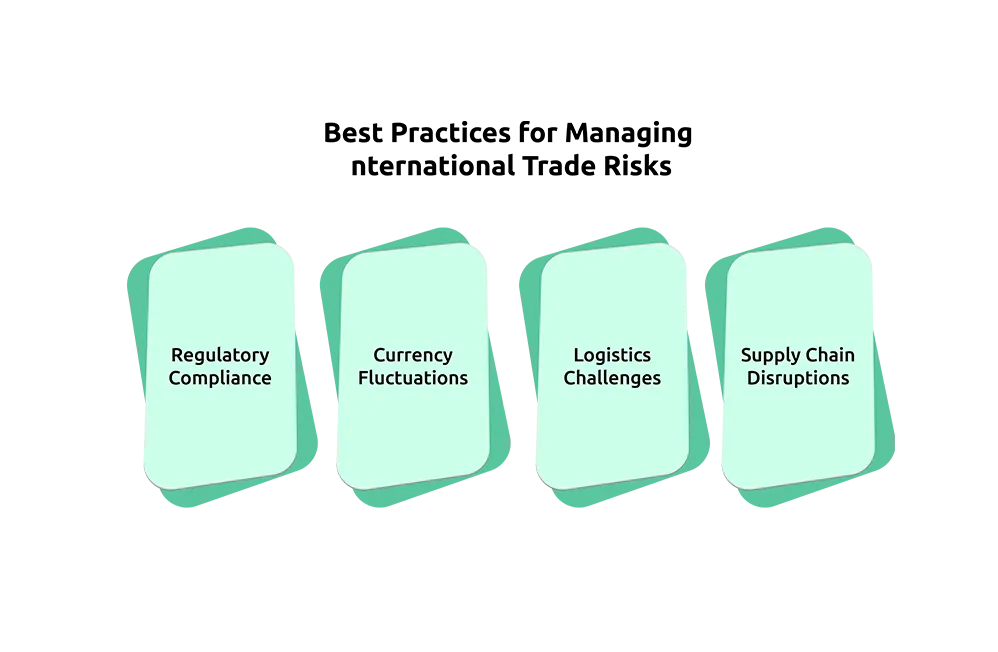
International trade involves various risks that can pose threats to businesses in sectors like aviation, medical equipment, IT infrastructure, automobile manufacturing, and data centers. Regulatory risks can be an immense source of anxiety in industries like aviation and medical devices, where compliance requirements may shift unexpectedly. Currency and exchange rate risks present additional difficulties to businesses, with fluctuations increasing operating costs in high-cost industries such as IT equipment manufacturing or automobile production.
Natural disasters, political unrest, and logistical disruptions pose supply chain risks that can cause costly delays for industries that depend on timely deliveries like IT and medical equipment. Geopolitical risks can harm trade agreements, tariffs, and the flow of goods particularly sensitive items like aviation parts and automotive equipment. Market and demand risks arise from changing consumer preferences or global economic fluctuations that impact sales in industries like automobiles or data centres. Recognizing these risks is the first step toward developing strategies that mitigate their effect on international trade.

Modernizing Risk: Moving Beyond Standard Compliance
Relying on outdated logistics and basic regulatory checks is no longer enough to protect your bottom line. Today’s market requires a shift toward supply chain resilience, where you anticipate Navigate global instability and environmental mandates before they hit the border. Many leading firms now use an Importer of Record (IOR) to navigate these real-time risks, as they provide the local legal expertise that software and standard insurance cannot. This proactive approach ensures that your aviation or IT hardware doesn’t just meet old standards, but is protected against the sudden regulatory restrictions and port closures of the modern era.
Cities and Countries Leading Global Trade
At the forefront of global trade is Hong Kong, which serves as an essential hub for industries including aviation, medical equipment, automobiles, IT infrastructure, and data centers. Hong-Kong operates as a key gateway for trade in Asia, especially in medical and IT equipment. Singapore, thanks to its impressive logistics infrastructure, is an ideal location for the export of aviation and IT equipment and infrastructure.
Germany leads the export of automotive parts due to it’s robust automobile industry and state-of-the-art manufacturing procedures. Silicon Valley in California remains an epicenter for IT equipment and data centre technology. At the same time, Dubai, UAE, stands out as a crucial trade hub for aviation and medical equipment thanks to its strategic location and advanced transport infrastructure. These cities and countries are driving global trade flows across industries worldwide.
Risk Mitigation Procedures | Interconnected Global World
Trade involves innate risks, but businesses can mitigate them by assuming effective risk mitigation strategies. Observing market trends, regulatory updates, and geopolitical events is vitally important for industries like aviation, medical equipment, automobiles, IT equipment, and data centers. Best practices include diversifying supply chains while adhering to rigorous compliance measures & using tools like trade finance & insurance as safeguards against unexpected disruptions. Regular assessments and updates to risk management strategies enable businesses to adapt quickly to changing challenges, remaining resilient in an ever more interdependent global market. By being assertive, businesses can reduce the impact of risks while protecting operations against possible setbacks.
Managing risk in international trade is vital for industries such as aviation, medical equipment, automotive, and IT infrastructure, as they face issues from shifting laws, currency instability, and supply chain networks. To effectively manage risk in global trade, Organizations must stay compliant with global guidelines, track a variety of suppliers, geological developments, and employ tools such as trade finance and insurance. By proactively addressing global trade risk, companies can safeguard work, maintain agreements, and unlock new chances in today’s interconnected economy.
Conclusion
In today’s fast moving market you can’t just hope for the best with your shipments.
Whether you’re shipping technology, medical equipment or aviation parts, proper preparation is what saves you time and money. By using smart tracking and clear shipping terms, you can stop worrying about hidden costs and focus on growing your business.Working with experts like One Union Solutions takes the stress out of shipping.We make sure your goods arrive on time and your budget stays on track, no matter what happens with new trade laws.
Did You Know that,
It is common for large corporations to have dedicated risk management teams — typically within FP&A or corporate treasury — reporting to the CRO; often these overlap the internal audit function (see Three lines of defence).
FAQ’s
1. Why is aviation equipment getting stuck at the border so often in 2026?
The 2026 aircraft order backlog has put a critical load on parts. Even a tiny missing document can get your high-value cargo Identified , so having a partner who handles IOR services is now the only way to avoid weeks of delays.
2. How are the new 2026 medical trade rules affecting import costs?
The new rules coming in October mean you have to prove exactly where every piece of equipment was made. If your digital files don’t match the new standards,you face a significant financial penalty. To stay safe, you need someone to double-check your HTS codes before the goods even leave the warehouse.
3. How can IT companies stop losing money on currency swings?
With exchange rates jumping daily, tech firms are now using forward contracts to lock in their prices early. It’s a simple way to freeze your costs so your project budget doesn’t suddenly skyrocket by the time your hardware actually lands.
4. Can automotive companies actually dodge the new 19% trade tariffs?
These tariffs are eating into everyone’s profits, but there is a workaround. If you source parts through specific Reciprocal Trade deals, you can often cut that tax down to 0%. It’s all about knowing which trade route is currently tax-friendly for your specific components.
5. Why is cybersecurity such a big deal for data centers in 2026?
AI-powered hacks are everywhere now, and one small mistake can damage your trust with clients and cost you a fortune in legal fees and fines. Keeping your data safe isn’t a job for the tech team. It is the best move you can make to protect your business and keep your customers trust.