Overview
The global automotive industry has undergone a major transformation in recent years, driven largely by semiconductor shortages and ongoing trade disruptions. Modern vehicles rely heavily on microchips for everything from engine control units to advanced driver assistance systems and infotainment. When chip production slowed due to pandemic-related shutdowns, geopolitical tensions, and fluctuating demand across industries, automotive manufacturers faced severe production delays. At the same time, shifting trade policies, port congestion, and transportation bottlenecks added further strain to already fragile supply networks.
As a result, automotive supply chains are no longer built solely on cost efficiency they are now designed for resilience and flexibility. Companies that import and export goods that deal with expensive parts and high-tech systems are changing the way they get their products to work with suppliers and handle risks so they can keep operating.
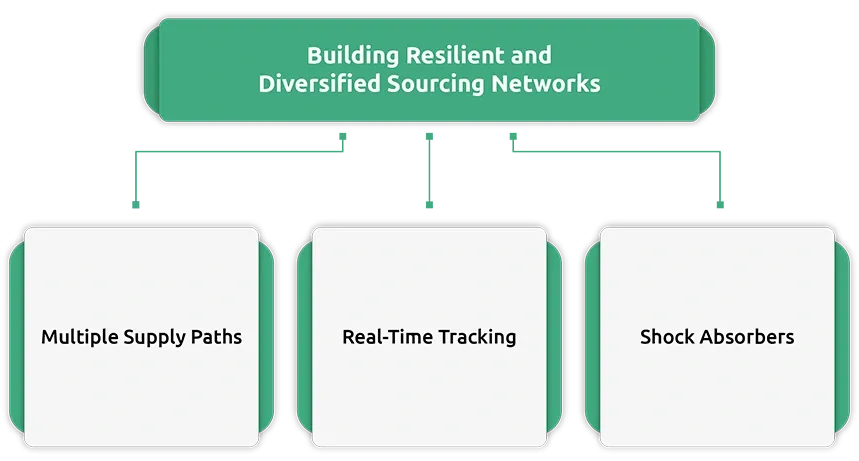
Building Resilient and Diversified Sourcing Networks
One of the most significant adaptations in the automotive sector is the shift toward diversified sourcing. Previously, many manufacturers relied heavily on a limited number of semiconductor suppliers concentrated in specific regions. Now companies are trying to get parts from different places. This way the automotive industry is not relying on one place, for semiconductors. The automotive industry is doing this to reduce problems when something goes wrong with semiconductors.
In addition, making products in countries or regions is becoming more popular. Companies are doing this to cut down on the time it takes to transport goods to their customers. It is especially helpful for industries such as aviation, medical equipment and IT hardware.
Digital transformation is also playing a key role. Advanced tracking systems, predictive analytics, and real-time monitoring tools enable better visibility across the supply chain. These technologies help businesses get ready for problems, handle issues with the suppliers and make sure everyone involved works together easily. For companies that import and export using these tools makes their work run smoothly and they are less likely to have uncertainty.
Maintaining inventory buffers is another thing to do. Companies used to keep little inventory but now they are keeping some extra stock of important things like semiconductors. This helps companies keep making things when there are problems with getting the parts they need. It prevents the production line from stopping. Make sure that things keep going even when there are supply problems with semiconductors.
Strengthening Trade Compliance and Operational Agility
Trade problems have shown that companies need to have rules to follow frameworks and operational agility. Automotive companies that do business with countries have to deal with changing rules and taxes on imported goods. Automotive companies must make sure they classify their products correctly, put the value on them and follow the rules of each country.
To solve these problems lots of companies are putting money into compliance systems and using experts to handle things. These systems help with paperwork, make sure everything is correct and get products across borders quicker. Companies that work with experts, for import and export operations have risk and get things done faster.
Collaboration across the supply chain is really important. Automakers are working with semiconductor manufacturers and other people like logistics providers and technology partners. They want to make sure everything runs smoothly. They are making term plans and working together with these partners to get the chips they need. The collaboration across the supply chain and the partnerships with semiconductor manufacturers are making a difference.
Transportation planning needs to be agile more than ever. Companies are using transportation plans that include different ways of moving things like airplanes, automotive equipment and fragile goods. They do this to avoid being late and to make sure things get delivered on time. This way important things like car components or medical device supplies can get to where they need to go without any issues. Transportation planning is really important, for getting these automotive and medical components to the right place.
Sustainability is a focus for companies these days. They are changing how they work with suppliers. When redesigning their supply chains companies are now making sure to include eco- practices. This includes reducing carbon emissions. Sustainability and responsible practices are really important.

Conclusion
The semiconductor shortage and problems with trade have really changed the way the automotive supply chain landscape. The semiconductor shortage and global trade issues have made the supply chain focus on being resilient and able to diversify and adapt to new things. For businesses operating across automotive, IT, aviation, and medical sectors, these changes present both challenges and opportunities.
By embracing diversified sourcing, investing in digital tools, strengthening compliance frameworks, and fostering strategic partnerships, companies can build supply chains that are not only efficient but also future-ready. The companies also have to make sure they are following all the rules. This is called compliance. Supply chains are, like the backbone of companies.
The world of trade is getting more uncertain every day. To keep growing businesses must stay ahead of their competitors. They need to be able to adapt. This adaptability will help companies like these keep growing and thriving in trade.
DID YOU KNOW
“Sales of all consumer products dropped sharply in the initial part of 2020, automotive sales decreased steeply up to 80 percent.”
FAQs
1.Why are there Semiconductor issues in the automotive industry?
The automotive semiconductor shortage stems from a combination of pandemic-era production cuts, just-in-time inventory mismanagement, and surging demand from electric vehicle (EV) adoption and AI, creating a loss.
2 .Is there a global semiconductor chip shortage?
There has been a major supply shortage of semiconductors chips across the globe with no end in sight. As almost all modern devices and electronics require semiconductors, many industries are struggling to meet strong consumer demand.
3. How long will semiconductors be relevant?
Semiconductors are expected to remain critical and highly relevant for at least the next 10 to 30 years, with some experts projecting a “lifetime” relevance similar to steel or electricity as they form the bedrock of all digital and electronic infrastructure.
4. How to overcome semiconductor shortage?
Addressing the chip shortage requires long-term, strategic investments in both production capacity and technological innovation. Government initiatives like the US CHIPS Act and similar efforts in Europe and Asia are essential in incentivizing the expansion of semiconductor manufacturing facilities and R&D.
5.How can semiconductors be improved?
Process optimization: Avoid fluctuations in the manufacturing process. Optimizing the production process for semiconductors is a decisive factor in increasing yield. By analyzing and optimizing process parameters and sequences, you can increase efficiency and yield.