Common requirements for both importing and exporting
Engaging in global trade requires businesses to meet some approval standards that apply equally to both importing and exporting. Also among these requirements are import export registration, confirming to international export regulations, and confirming exact categorization under the HS code or the HTS harmonized tariff system. These codes systematically categorize goods, allowing simple customs processes and reducing trade problems. Organizations must follow Incoterms, which show responsibilities between buyers and sellers regarding costs, risks, and shipping norms. DAP and DDP shipping specify who is responsible for duties, taxes, and logistics. Following these systems, businesses strengthen global trade facilitation and work across the region.
Directing International Trade: Adhering to Import and Export Compliance
To succeed in global trade, organizations must guide a web of agreement rules that go beyond national boundaries. These include security guidelines, customs clearance support, and confirming that transactions work with both local and foreign trade laws. Organizations frequently depend on global supply chain services and professional freight forwarding services to simplify operations. Also, programs such as the Generalized System of Preferences (GSP) provide tariff deduction for developing countries, further increasing the importance of agreement and accurate documentation. Without proper systems in place, businesses risk delays, penalties, or even shipment penalties.
What Is International Trade Compliance?
International trade compliance refers to the rules and processes organizations must follow when trading goods across the region. This includes licensing, export customs brokerage, comprehensive import-export support, and confirming documentation meets the legal requirements of all authorities. Organizations may require importer of record services or exporter of record services to manage obligations in countries where they lack a physical presence. These specialized services confirm agreement with duties, taxes, and licensing requirements while reducing the risk of regulatory issues. Also, trade approval safeguards supply chains and promotes trust in international partnerships.
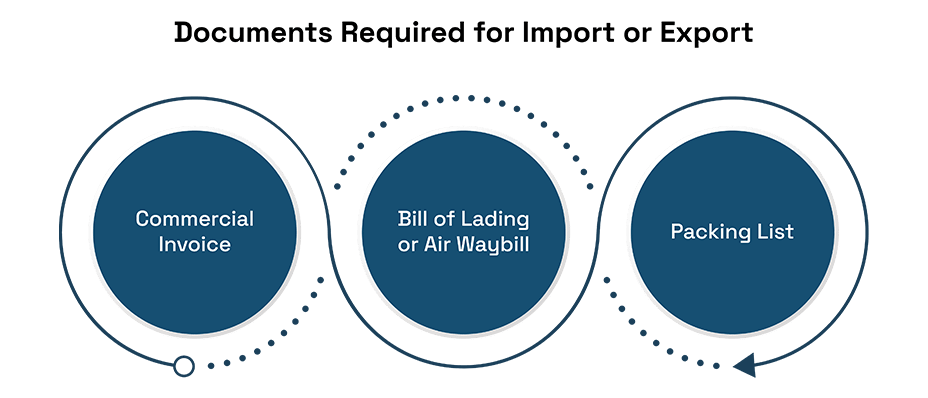
Documents Required for Import or Export
Documentation is a critical part of a trade agreement. Major documents include:
- Commercial Invoice
- Packing List
- Bill of Lading or Air Waybill
- Import or Export License (if applicable)
- Certificate of Origin (sometimes required under agreements like the Generalized System of Preferences)
- Customs Declaration including HS codes
Accurate and complete documentation confirms quick customs clearance support and reduces the chances of disputes. Working with freight forwarding services or customs experts can help manage this difficult process effectively.
Specific requirements for importing goods
Importing goods comes with specific obligations beyond general compliance. Importers must be aware of local taxation laws, product safety standards, and restrictions on sensitive items. In many cases, companies turn to an importer of record services to handle legal and financial obligations when entering a new market. Delivery arrangements also play a role in compliance. Delivered Duty Paid logistics (DDPs), the seller assumes responsibility for duties and delivery, whereas DAPs (Delivered at Place) place the responsibility of import duties on the buyer. Understanding these Incoterms and selecting the right option is necessary to avoid unwanted costs. Also, working with partners giving global supply chain services and comprehensive import-export support confirms organizations remain compliant while improving logistics operations.
Conclusions
International trade presents immense opportunities, but only for businesses that respect and follow compliance frameworks. From import export business registration and export customs brokerage to the correct use of HS codes and Incoterms, every detail matters. Using professional partners for freight forwarding services, importer of record services, and exporter of record services allows smooth transactions and confirms adherence to international export regulations. Working with agreement requirements and using tools such as DDP shipping or DAP logistics, businesses not only reduce risks but also strengthen their position in the global marketplace. In a world driven by global trade facilitation, approval is no longer an option; it is the foundation of sustainable international growth.
DID YOU KNOW?
More timely figures show that the value of UK exports in the 12 months to July 2025 was £894.0 billion, up 2.8% on the 12 months to July 2024. This represents a 4.3% decline in goods exports and an 8.2% increase in services exports.
FAQs:
Q1. What are the common compliance requirements for importing and exporting?
Common requirements include import-export registration, HS code classification, Incoterms (like DAP and DDP), and compliance with both domestic and international trade regulations.
Q2. Why are HS codes important in international trade?
HS codes (Harmonized System codes) standardize product classification, simplify customs clearance, and ensure accurate tariff and duty assessments.
Q3. What documents are required for import or export?
Key documents include a commercial invoice, packing list, bill of lading or air waybill, import/export license (if applicable), certificate of origin, and customs declaration with HS codes.
Q4. How can importer of record (IOR) and exporter of record (EOR) services help businesses?
IOR and EOR services handle legal, tax, and customs obligations in countries where businesses lack a physical presence, ensuring compliance and reducing risks.
Q5. What is the difference between DAP and DDP shipping terms?
DAP (Delivered at Place) requires the buyer to pay import duties, while DDP (Delivered Duty Paid) makes the seller responsible for duties, taxes, and final delivery.