Introduction
Quantum computing is shifting from research labs into real-world business & technology projects. Companies, universities, research centers, & technology providers are investing in quantum systems to solve difficult issues & develop new applications. As these systems become more advanced, there is also a growing need to move quantum computing equipment across global borders.
Transporting quantum computing equipment is not the same as shipping standard IT hardware. Quantum computers can include highly sensitive components, cooling systems, control electronics, & specialized equipment. Some parts may also need strict temperature, vibration, humidity, or handling conditions during shipping.
This makes cross-border logistics an important part of a successful quantum computing project. A small delay or management problem can affect installation schedules, project costs, & equipment performance.
Why Quantum Computing Equipment Needs Special Logistics
Quantum computing equipment can be very important. Depending on the system, shipments may include quantum processors, control systems, cables, electronics, & other supporting components.
Some quantum systems operate at extremely low temperatures. Their supporting equipment may be added with sophisticated cooling technology designed to create & manage these conditions. Shipping such equipment needs careful planning from the point of origin to the final location.
Vibration is another concern. Sensitive components can be affected by rough managing or excessive movement. Packaging must therefore be designed to secure the equipment during loading, unloading, road transport, air freight, & customs verification.
Customs Compliance Is a Major Part of the Process
Moving quantum computing equipment across borders involves more than transportation. Customs compliance is a main part of the process.
Before transporting, companies need to identify the correct product classification & understand the import rules of the final location country. Customs rules may need detailed information about the equipment, its value, country of origin, intended use, & technical details.
Export controls can also be important for updated computing technologies. Depending on the equipment, country of origin, destination, & end user, additional licenses or approvals may be required.
Incorrect documentation can result in customs delays, additional costs, or even shipment holds. For this reason, companies should review trade needs before the equipment leaves the country of origin.
Selecting the correct Transport Method
The transport method depends on the equipment, delivery timeline, destination, & handling requirements.
Air freight can be useful when equipment needs to reach a destination quickly. However, sensitive shipments still require careful packaging & managing throughout the journey.
Road transportation may be used for domestic movements or the first and final stages of an global shipment. A dedicated vehicle can provide better control over management & delivery schedules when needed.
A combination of transport methods may be required. This is where careful coordination becomes important. Every transfer point creates another opportunity for damage, delay, or documentation errors.
Packaging & Handling
Packaging plays an important role in securing quantum computing equipment. Standard shipping boxes may not provide enough safety for highly sensitive components.
Specialized packaging can help minimize the impact of vibration, shock, temperature changes, & humidity. Depending on the equipment, companies may use reinforced containers, shock-absorbing materials, protective barriers, & environmental monitoring devices.
Managing procedures should also be clearly communicated to everyone involved in the shipment. Warehouse teams, freight providers, customs agents, & delivery personnel should understand how the equipment must be moved.
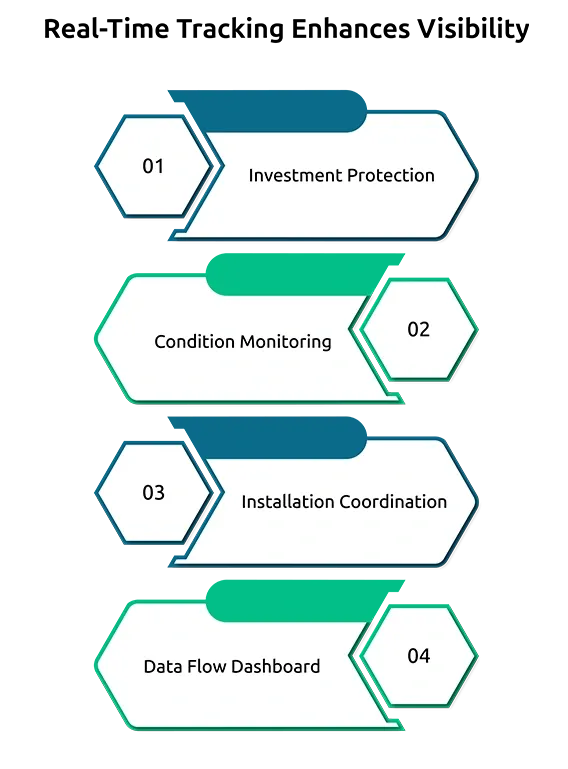
Real-Time Tracking Enhances Visibility
Quantum computing equipment can represent a major investment. Companies therefore need visibility throughout the shipment.
Real-time tracking can show where equipment is located & whether it is following the planned route. Updated management can also provide information about temperature, humidity, shock, or other conditions when sensors are used.
This information allows logistics teams to respond quickly. If a shipment experiences unexpected vibration or a temperature change, the team can investigate the issue before delivery.
Better visibility also helps companies coordinate installation teams, engineers, customs representatives, & receiving facilities.
Working With Experienced Logistics Partners
Cross-border quantum equipment shipments often added with some parties. These may include manufacturers, freight forwarders, customs brokers, warehouses, carriers, & local delivery teams.
Managing all these parties can become difficult without accurate coordination. An experienced logistics partner can help organize documentation, transportation, customs clearance, tracking, & final delivery.
For companies importing advanced technology into a country where they do not have a local legal entity, an Importer of Record (IOR) can also help manage the local import process. The IOR takes responsibility for meeting applicable import requirements and ensuring that the shipment is properly entered through customs.
This can reduce administrative work and help companies avoid unnecessary delays.
Reducing Risks in Quantum Equipment Shipping
The best way to minimize logistics risks is to plan before shipping begins. Companies should understand equipment needs, customs rules, packaging needs, shipping routes, & final delivery conditions in update.
A clear logistics plan should also include backup options. Customs delays, flight changes, weather events, or other unexpected problems can affect global shipments. Having similar routes & clear escalation procedures can help keep projects moving.
Communication is equally important. Everyone involved should know when the equipment is expected, how it must be handled, & what steps to take if a problem occurs.

Conclusion
Cross-border logistics will become increasingly important as quantum computing expands internationally. Shipping quantum computing equipment needs more than standard freight services. It demands careful packaging, specialized management, customs knowledge, trustworthy shipping, & strong shipment visibility.
By planning logistics early & working with skilled partners, companies can minimize delays & secure sensitive equipment throughout its journey. As quantum technology continues to grow, reliable cross-border logistics will help organizations move these updated systems safely & efficiently from one country to another.
Did you know?
GenAI agents are gradually increasing their presence in enterprises, projected to grow from 5% to 25% of transactions in the next three years with faster adoption, according to Infosys research.
FAQs
1. What makes quantum computing equipment difficult to ship internationally?
Quantum computing equipment can contain delicate processors, cooling systems, control electronics, and other sensitive components. These items may require protection from vibration, temperature changes, humidity, and rough handling during international transportation.
2. Can quantum computing equipment require special customs documentation?
Yes. Depending on the equipment, destination, origin, value, and intended use, customs authorities may require detailed product information and supporting documents. Certain advanced computing technologies may also be subject to export controls or licensing requirements.
3. How can companies protect quantum equipment during long-distance transportation?
Companies can use specialized packaging, shock-absorbing materials, reinforced containers, and environmental monitoring devices. Choosing suitable transport methods and clearly communicating handling requirements can also reduce the risk of damage.
4. Why is shipment monitoring important for quantum computing equipment?
Shipment monitoring provides visibility into the location and condition of sensitive equipment. Tracking devices and environmental sensors can help logistics teams identify issues such as unexpected shocks, temperature changes, or delays and respond before they affect the delivery.
5. How can an Importer of Record support quantum equipment imports?
An Importer of Record can help manage local import requirements, customs documentation, and compliance responsibilities when a company does not have a legal entity in the destination country. This can simplify the import process and reduce administrative challenges.