Many products are legal to enter a country, from businesses often struggle to import them. On paper, there is no problem, but in reality, companies face problems, higher costs, & difficult rules that make importing very difficult. This issue is common in industries such as automotive, electronics, medical devices, aviation, IT, & machinery. If a product is technically allowed, companies often need local contacts, professional guidance, &careful planning to minimize the process successfully.
The Gap Between Legal Permission and Real-World Challenges
Being “allowed” to import does not mean the process is simple. Governments use many rules & regulations to control what enters their markets. These rules may not completely block imports, but can slow them down or make them very costly to manage. Delays often occur only after a shipment is already in transit, creating unexpected logistical & financial difficulties.
Complex Regulatory Frameworks
Multiple Authorities and Overlapping Rules
Many products are governed by many regulatory bodies. A single shipment may need approval from customs, environmental agencies, safety regulators, & industry-specific authorities. Each agency has its own rules, documents, & timelines, increasing the risk of delays. Businesses must coordinate with multiple departments, often repeating the same information, which adds difficulties & cost.
Constantly Changing Regulations
Import laws & compliance standards frequently change. A product that cleared customs last year may suddenly need new certificates, tests, or approvals. Staying updated with changing rules is difficult, mainly for companies operating across multiple countries. Temporary bans, new safety standards, or updated environmental rules can make importing products much difficult than it appears.

Licensing, Permits, and Certification Requirements
Products That Need Special Permissions
Many products require import licenses even if they are not banned. These often include dual-use items, batteries, software, telecom equipment, & advanced technology. Approval processes can take weeks or months, & authorities may reject applications without clear reasons. Exporters often need to submit detailed technical specifications, end-user statements, & safety documentation.
Certification & Testing
Even if a product meets international standards, many countries want local testing or certification. Automotive parts, medical devices, & electronic equipment often undergo repeated verification. Some countries also need factory audits to verify production processes, quality control, & safety measures, which can slow market entry for small or first-time exporters.
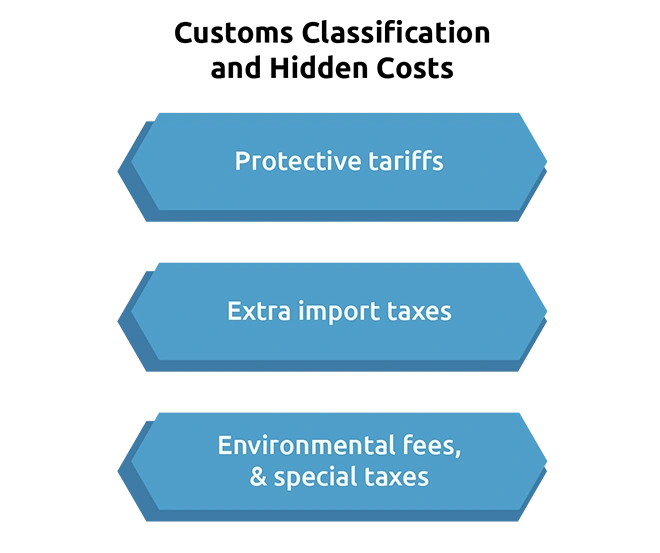
Customs Classification and Hidden Costs
HS Code Challenges
Customs authorities use HS Codes to classify duties & regulations. Misclassification can result in stricter rules or higher fees. Products with multiple uses or advanced features often fall into grey areas, leading to verification, documentation checks, or unexpected requirements.
High Duties and Extra Charges
Even when products are allowed, protective tariffs, extra import taxes, environmental fees, & special taxes can make importing too costly. Delays at ports may also incur storage or holding fees, adding financial pressure to the importer.
Environmental, Sustainability, and End-User Restrictions
Stricter environmental laws require products to meet emission, recycling, & energy efficiency standards. Batteries, electronics, machinery, and fuel-powered equipment may be denied clearance if they fail to meet sustainability standards. Older technology often struggles to deal with these rules, making legal imports challenging.
Authorities may also carefully check the end-use. If there is a concern about misuse, resale, or diversion, approvals may be delayed or denied. This is common for important industries such as aviation, telecom, & technology, where security concerns are great.
Documentation & Local Import Requirements
Global shipments need correct invoices, packing lists, certificates of origin, licenses, & compliance documents. Even minimal errors can cause verification or shipment holds. Some countries also need a local Importer of Record to clear goods, meaning foreign businesses may need a local partner or registered entity to import successfully.
How Businesses Can Overcome These Barriers
Early Compliance Planning
Understanding licensing, classification, & certification requirements before shipping minimizes risk. Managing correct documents & verifying approvals ahead of time can secure costly delays & fines.
Professional Trade Support
Working with customs brokers, IOR & EOR service providers, & compliance experts helps businesses minimize regulations easily. Professional guidance makes sure all documents are correct, timelines are realistic, & compliance requirements are fully met.
Conclusion
In global trade, legality is only the first step. Many products are technically allowed to be transported, but the real main problems, such as licensing delays, difficult regulations, high costs, environmental requirements, & documentation, make the process difficult. Businesses that plan, manage documents carefully, & work with local experts are more likely to succeed. By being secure, companies can minimize delays, manage costs, & access global markets easily.
Did you know?
Exporters rely on imports: Most manufacturers that export also import raw materials, parts, and equipment. Tariffs raise the costs of these inputs and disrupt production, weakening export capacity and global competitiveness.
FAQ
Q1. Why are some products allowed but still hard to import?
A: Even if a product is legally permitted, complex rules, licensing requirements, high fees, and documentation make importing difficult. Delays, inspections, and extra costs can make the process very challenging.
Q2. Which industries are most affected by these import difficulties?
A: Industries like automotive, electronics, medical devices, aviation, IT, and machinery often face practical barriers, even when products are allowed. Products may require special certificates, testing, or approvals.
Q3. How do regulations make allowed products hard to import?
A: Multiple government agencies, changing rules, and overlapping regulations slow down shipments. Products may need local testing, factory audits, or extra permits, which increases cost and delays.
Q4. What role do duties and hidden costs play in import challenges?
A: Even allowed products can face high tariffs, extra import taxes, environmental fees, or storage charges at ports. These hidden costs can make importing financially unviable.
Q5. How can businesses overcome these barriers?
A: Companies can plan, understand licensing and certification requirements, work with customs brokers or local import partners, and ensure all documents are complete and accurate. Professional support reduces delays and costs.