
Overview
In global sea trade, ships constantly move between countries, shipping everything from IT goods to high-value manufactured goods. Yet every ship is run by one nation’s laws, no matter where it sails. This legal permission is known as the flag state, and it plays a vital role in how international shipping terms are applied, how safety is maintained, and how responsibility is taken at sea. For businesses depending on international freight services, premium delivery service options, and dependable freight forwarding companies near me, understanding flag state rules is not just a regulatory detail; it is a foundation of risk control, agreement, and long-term working stability.
What Is the Flag State?
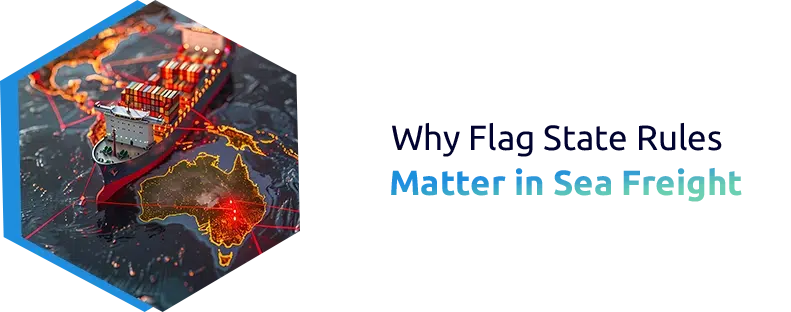
A flag state is the country where a ship is registered, and whose flag it is that businesses are required to fly. This registration links the vessel to a national maritime authority that sets the legal system for how the ship is built, crewed, operated, and inspected. From a trade perspective, flag state rules affect more than paperwork. They improve how ships interact with customs clearance officials, how responsibilities are divided among cargo owners, and how international shipping terms are interpreted when discussions arise.
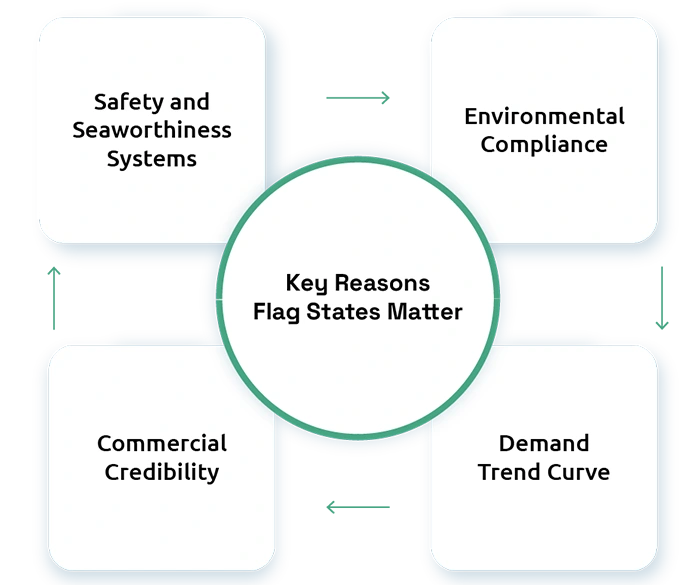
Key Reasons Flag States Matter
1. Safety and Seaworthiness Systems
Flag states are responsible for confirming that ships under their registry meet international safety conventions. This includes vessel construction standards, navigation systems, pollution controls, and emergency preparedness. For companies using international freight services or premium delivery service solutions, a ship’s flag can be a key indicator of how rigorously these safety measures are enforced.
2. Environmental Compliance
Environmental protection at sea is largely enforced through flag states. They confirm vessels follow pollution stopping rules, waste management requirements, and emission controls. Non-agreement can lead to port restrictions, inspections, and penalties that delay shipments and make customs clearance processes difficult.
3. Commercial Credibility
The reputation of a flag state increases how ports, insurance, and trade partners view a vessel. For freight forwarding companies near me, global shipping coordinators alike, working with vessels registered under well-regulated flag states frequently reduces working uncertainty and supports smoother international freight services.
What Is the Role of the Flag State?
Regulatory Oversight
The main role of a flag state is to exercise official control over ships flying its flag. This includes vessel registration, certification, and periodic inspections. Flag states also investigate seaport incidents and enforce corrective actions.
Legal Accountability
When accidents, pollution events, or disputes occur, the flag state has the authority to conduct inquiries and take necessary actions. This legal responsibility is necessary in maritime law, as it determines where and how cases are managed, even when ships are working far from their home waters.
Support for Global Trade Operations
Flags indirectly support global trade by maintaining order and predictability in sea logistics. Stable enforcement helps exporter of record services, importer of record service providers, and international freight services operators coordinate shipments, documentation, and risk management across borders.
Why is the Flag State Necessary in Seaport Law?
Maritime law depends massively on the concept of flag state jurisdiction. Since the open sea does not belong to any single country, the flag state becomes the principal authority governing a ship’s conduct. It sets the legal system for dependability, dispute resolution, and execution of actions.
For businesses, this legal clarity is necessary. It shapes how insurance is structured, how contracts reference international shipping terms, and how agreement is verified during customs clearance. In cases of cargo damage, environmental incidents, or crew disputes, the flag state’s legal system frequently determines investigative procedures and responsibilities.
Conclusion
Flag state rules are far more than symbolic details painted on a ship’s stern. They define the legal identity of a vessel and establish safety standards, and anchor maritime law in an otherwise borderless environment. Whether you are coordinating with exporter of record services, working with an importer of record service, or partnering with freight forwarding companies near me, understanding why flag state rules matter in sea freight helps you make informed decisions, reduce risk, and support sustainable, compliant maritime operations.
DID YOU KNOW?
The IFA brings together the world’s most influential flag states, representing over 40% of the world’s total tonnage, to promote high standards of maritime safety, security, environmental protection, seafarer welfare, and practical, globally consistent rules and regulations.
FAQs:
1. What is a flag state in shipping?
A flag state is the country where a vessel is officially registered. Its laws govern how the ship is operated, maintained, crewed, and inspected, regardless of where it sails.
2. Why are flag state rules important in sea freight?
Flag state rules ensure vessel safety, environmental compliance, and legal accountability. They help reduce operational risks and support smooth international freight services.
3. How does a flag state affect maritime safety and compliance?
Flag states enforce international conventions on ship construction, navigation equipment, pollution control, and emergency preparedness, helping maintain seaworthiness and operational reliability.
4. What role does the flag state play in maritime law?
In international waters, the flag state has legal authority over the vessel. It investigates accidents, manages disputes, and determines legal responsibility when incidents occur.
5. How do flag state regulations impact global trade and logistics?
Strong flag state oversight builds trust with ports, insurers, and customs clearance authorities, enabling smoother operations for freight forwarding companies and international freight services.