
When you ship goods globally, seeing the status “In Transit” can feel easy. It seems like your shipment is on the move & everything is fine. But even when goods are traveling between ports, airports, or warehouses, they can still be inspected or delayed. This can be difficult, especially if you are expecting them on time.
Being “in transit” doesn’t mean your shipment has cleared all rules. Customs & authorities in different countries can check goods at any stage. These checks help prevent illegal imports, mistakes, or unsafe products from entering the country. Understanding why verification happens can help you plan better & avoid problems.
Inspections Happen Before the Destination
Many people think customs only check goods when they arrive. Actually, authorities can inspect shipments while they are on the way. This can happen at ports, airports, or other transit points.
For example, a container of electronics moving from Germany to India via Rotterdam may be checked by customs in Rotterdam. They ensure the HS codes, duties, & documents are correct before proceeding. Even though the shipment is “in transit,” these checks are normal & legal.
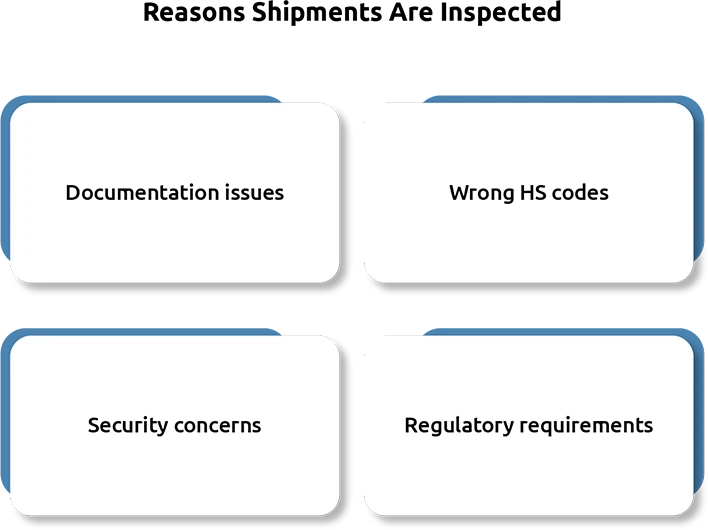
Reasons Shipments Are Inspected
Shipments may be verified for many reasons:
- Documentation issues – Missing or wrong invoices, packing lists, or certificates of origin can trigger checks.
- Wrong HS codes – Each product has a Harmonized System (HS) code used to calculate taxes &rules. Wrong codes can slow things down.
- Security concerns – Authorities may check goods for dangerous or illegal items. High-value or important shipments are often inspected.
- Regulatory requirements – Products like medical equipment, electronics, or automotive parts need licenses or certificates. Customs may verify compliance.
- Duties & tariffs – If there is a worry of unpaid taxes, shipments can be held until payments are confirmed.
How Delays Affect Businesses
Even a small verification can cause delays. A shipment that should take a week may take many weeks if held for checks. This can affect production schedules, delivery times, & customer satisfaction.
For example, during busy seasons, ports may have long queues. A container in transit may be delayed just because of volume. Also, medical equipment or high-value electronics may face extra analysis to ensure safety & compliance.
How to Reduce Delays
You can’t control everything in global transportation, but there are many ways to minimize delays. First, check all documents carefully, with invoices, packing lists, permits, & certificates, to ensure they are correct. Next, use the correct HS codes, as proper classification helps customs process shipments more easily. Working with experts such as freight forwarders, customs brokers, or Importer of Record services can also help minimize difficult rules & prevent errors. It’s important to know the regulations for restricted or controlled goods in the countries you are shipping to. Finally, always plan extra time to account for verification, paperwork, or unexpected delays, so your shipments reach their destination easily.
Why Being Prepared Matters
The key to smooth global shipping is planning. Knowing that “in transit” doesn’t always mean delivery helps businesses stay realistic. By preparing documents, using experts, & allowing extra time, shipments can reach their destination safely & on time.
Verification & delays are part of the system that keeps trade safe, legal, & fair. Businesses that stay organized & informed can manage these checks easily & keep their supply chains running smoothly.
conclusion
If you’ve ever questioned why a shipment can be delayed even while in transit, now you know. Customs may check for documentation errors, HS codes, security issues, or compliance problems. While delays are problematic, being prepared with the correct papers, accurate codes, & professional help ensures goods reach their destination without major problems.
It’s always best to expect the unexpected. Understanding why goods can be verified while in transit helps businesses manage shipments more effectively, avoid fines, & keep operations smooth.
Did you know?
The US has revoked a key trade loophole for shipments from China and Hong Kong, triggering duties and expected delays across fashion’s fragile supply chain. Brands and consumers are bracing for impact.
FAQ
- Q: Why can goods be checked even while in transit?
A: Customs authorities can inspect goods in transit to make sure they comply with regulations, match their documents, and do not include restricted or illegal items. - Q: What causes delays during transit inspections?
A: Delays can happen due to missing or incorrect documents, unusual goods, security checks, or if authorities need to verify the HS codes, permits, or certificates. - Q: How can businesses reduce transit inspections and delays?
A: By preparing correct paperwork, using proper HS codes, working with customs experts, and understanding local import/export rules. - Q: Are all shipments inspected during transit?
A: No. Only certain shipments are selected for scrutiny, often randomly, or if there is suspicion of errors, missing documents, or restricted items. - Q: How long can transit inspections take?
A: The inspection time varies. It can be a few hours for simple shipments or several days if the goods are complex, high-value, or need special permits or testing.