Cloud computing has rapidly become a cornerstone of organizations in our digitally driven society, used for hosting applications, storing data, and streamlining operations. Importing and managing these components efficiently requires strategic tools and methodologies; one essential concept is the Importer of Record (IOR). In this write-up, we explore the role of IOR in cloud infrastructure to ensure an efficient import process.
Understanding IOR in Cloud Computing
Understanding IOR in cloud computing is key to fully appreciating its significance. Importer of Record refers to the entity or service responsible for assuring compliance with import regulations when transporting goods across borders.
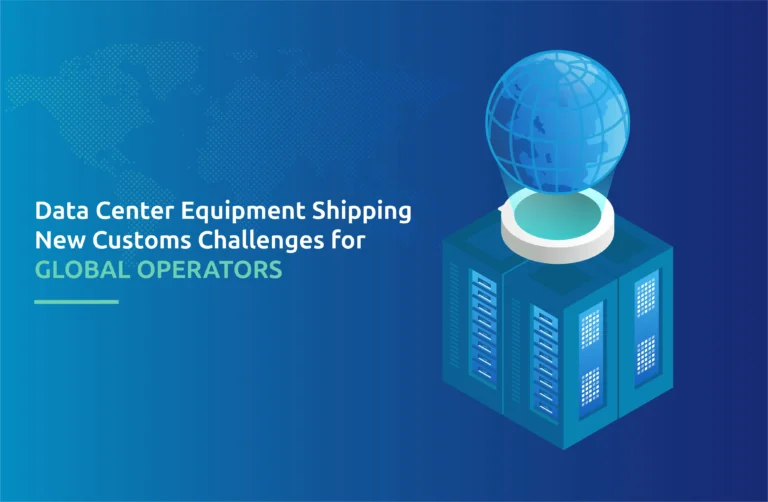
Cloud infrastructure typically comprises physical components like servers, routers, and storage devices. Cloud computing relies heavily on effective infrastructure; whether establishing a new data center or expanding an existing one, importing these essential elements often necessitates adhering to complex customs regulations and paperwork processes.
The IOR acts as a trusted intermediary, ensuring all necessary permits & certifications are obtained, taxes are calculated correctly and paid, and imported goods meet local legal & regulatory standards. By streamlining these processes, the IOR minimizes delays, reduces penalty risks, and allows organizations to focus their energy on expanding cloud operations.
Significance of IOR for Cloud Infrastructure Imports
Importer of Record (IOR) services are indispensable when it comes to managing cloud infrastructure imports. Without an Importer of Record, organizations face logistical problems, legal entanglements, and unexpected expenses due to imports that go unsettled or get delayed by Customs authorities. IOR plays an indispensable role in assuring regulatory compliance across countries with diverse import regulations that must be abided by to avoid customs issues and save time by handling documentation and clearance processes that speed up the deployment of cloud infrastructure. IOR also helps organizations reduce costs by minimizing fines arising from mistakes in the import process, and providing end-to-end management from shipping to final delivery, streamlining a process that would otherwise be too complex. By including IOR in their cloud strategies, organizations can experience smoother operations without logistical bottlenecks while quickly and efficiently expanding infrastructure.
Import Process Key Components and Tools
Importing cloud infrastructure components requires several tools and elements for maximum efficiency and compliance, such as Customs Documentation Tools to streamline document preparation, such as customs declarations, licenses, and permits. Systems such as ACE and ACI are frequently employed for this purpose in North America. Inventory Management Systems also play an integral part, providing real-time tracking capabilities via tools like SAP’s or Oracle’s inventory modules to ensure components remain accounted for at every step. Compliance Checkers verify that imported items meet local technical standards such as RoHS or CE certifications to prevent regulatory violations and ensure safe importation practices. Import Automation Tools like Descartes or Cargowise make repetitive tasks simpler while decreasing human error risk and streamlining overall workflow. Specialized IOR Services bring crucial expertise to the process, from procuring permits to overseeing the delivery of goods. Together, these components and tools ensure an import process that remains efficient, compliant, and in compliance with regulatory requirements.
Impact of IOR on Cost-Effectiveness and Resource Allocation
IOR provides cloud infrastructures with cost-effective resource allocation by minimizing fines and delays, freeing teams to focus on core tasks more easily. Furthermore, its timely component delivery facilitates scalability. Furthermore, its analytics allow for informed budgeting. All these factors combine to make resource management more agile. In cloud computing, the Importer of Record (IOR) confirms regulatory approval, faster customs clearance, and cost optimization, frequently using the Generalized System of Preferences (GSP) when importing critical infrastructure like servers and storage devices. By using tools for documentation, agreement, and automation, IOR services reduce delays, minimize fines, and simplify global cloud expansion, with emerging tech like AI, blockchain, and smart logistics driving future efficiency.
In addition, IOR services help cloud providers maintain consistency and control across multiple international deployments. By standardizing compliance processes and centralizing import data, companies gain better visibility into shipment status, costs, and regulatory requirements. This structured approach reduces operational risks and supports faster decision-making when expanding into new markets. As cloud infrastructure continues to scale globally, a reliable IOR partner becomes essential for maintaining efficiency, compliance, and long-term growth.
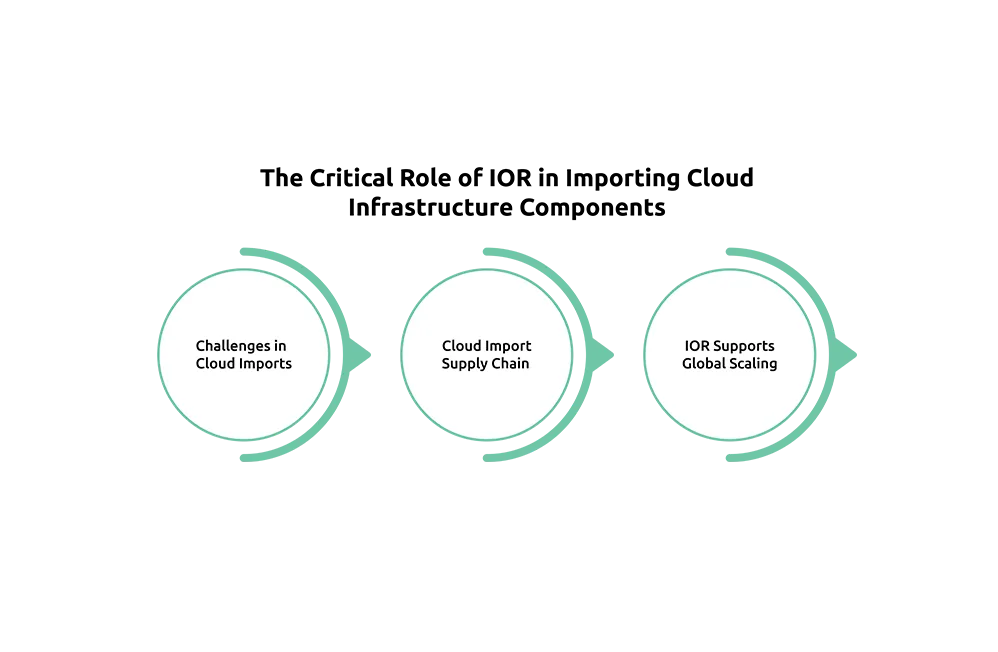
Effective IOR Strategies and their Implementation are presented, along with challenges and best practices associated with their implementation.
Implementing an IOR strategy presents many hurdles, including navigating complex international regulations, managing unexpected costs, avoiding documentation errors that cause delays, and raising awareness about its place in cloud imports. To address these obstacles, businesses can enlist the expertise of IOR providers, automate processes to reduce errors, stay abreast of evolving import regulations, conduct regular audits to identify inefficiencies, train employees on their requirements, and audit regularly to ensure compliance. By using strategic planning and best practices to address these challenges organizations can streamline import operations while unlocking their cloud infrastructure’s full potential – leading to smooth import operations that harness its full potential!
Future Outlook for Cloud Component Import via IOR
Cloud component importation through IOR is being transformed by innovations and advancements that promise greater efficiency and adaptability. AI-powered compliance tools have emerged, offering automated checks for regulatory changes as well as predictions. Blockchain technology is revolutionizing transparency and traceability, decreasing errors and the risk of fraud, while connected devices enable smart logistics systems to optimize transportation for faster and safer deliveries. Global harmonization efforts aim to standardize import regulations, streamlining IOR processes across regions.
Conclusion
Importer of Record (IOR) plays an indispensable role in the successful integration of cloud infrastructure components. From regulatory compliance to optimizing costs and resources, IORs play a vital role for organizations hoping to thrive in today’s increasingly cloud-centric business landscape.
Understanding IOR basics, understanding its significance, and adopting advanced tools and best practices are all ways that businesses can overcome hurdles and streamline cloud import processes. Furthermore, keeping abreast of future trends and innovations will keep them one step ahead.
Utilizing IOR in cloud infrastructure management is not only possible; it is imperative for long-term success.
FAQs
1. When is an Importer of Record required for cloud and data center equipment?
An Importer of Record is required when cloud servers, networking hardware, or storage systems are imported into a country where the buyer does not have a registered local entity or customs authorization.
2. What types of cloud infrastructure equipment need IOR support?
Equipment such as servers, racks, cooling systems, power units, networking devices, and security hardware typically require IOR support due to regulatory and customs requirements.
3. How does IOR support faster deployment of cloud services?
By handling approvals, customs clearance, and compliance checks in advance, IOR services help ensure equipment reaches data centers on time, avoiding delays that could affect service rollout.
4. Can IOR services help manage compliance across multiple regions?
Yes, IOR services are especially useful for cloud providers operating across multiple countries, as they help manage varying import laws, tax structures, and technical regulations.
5. Why do cloud service providers outsource IOR responsibilities?
Outsourcing IOR responsibilities reduces compliance risks, lowers operational burden, and allows cloud providers to focus on service performance and scalability instead of customs complexities.