In the present hyper-associated world, organizations, state-run administrations, and people depend like never before on consistent admittance to computerized administrations. From putting away tremendous measures of information to fueling complex applications like simulated intelligence, AI, machine learning, and IoT, data centers are the backbone of modern digital transformation. As associations progressively move towards cloud arrangements and edge figuring, the interest in strong, high-performing data center foundations keeps on developing. This dependence has changed how we oversee and store information and how we approach the innovation that controls these frameworks. High-density server imports are critical to data center growth, but navigating customs requires strict adherence to the Harmonized System Code (HS Code) to properly classify IT equipment and avoid costly delays. Leveraging trade frameworks such as the Generalized System of Preferences (GSP) can also reduce tariffs in eligible markets, making imports of high-value technology more cost-effective.
Overview:
Modern data centers must have technology that expands handling power while limiting physical and energy impressions. High-thickness servers, known for their capacity to deal with more prominent responsibilities inside a reduced space, have become vital. These servers guarantee that data centers can uphold the rising interest for quicker handling, bigger capacity limits, and upgraded unwavering quality — all while keeping up with functional proficiency.
Regardless of their benefits, bringing in high-thickness servers isn’t without challenges. The cycle includes exploring a mind-boggling trap of global guidelines, consistence norms, and calculated obstacles. From adhering to harmonized system codes (HS codes) and managing customs declarations to ensuring proper handling during transit, each move toward the import interaction requires accuracy and skill. For some organizations, these difficulties are intensified by an absence of neighborhood information and the gamble of resistance, which can prompt deferrals, fines, or gear harm.
The Growth of Data Centers Worldwide
Data centers are at the core of the computerized economy, empowering all that from distributed storage and virtual correspondence to continuous investigation and artificial intelligence-fueled arrangements. As ventures embrace advanced change, the requirement for cutting-edge data centers keeps on rising.
Global Data Center Growth Trends and Market Projections
- Cloud Computing: The rising reception of cloud-based administrations by organizations, everything being equal.
- AI and Machine Learning: High-level computational requirements for preparing man-made intelligence models and running information-escalated calculations.
- Internet of Things (IoT): Billions of connected devices generate massive amounts of data requiring real-time storage and processing.
- 5G Networks: Quicker and more solid web speeds, helping the requirement for edge computing and neighborhood data centers.
Why High-Density Servers Matter
As the interest for information capacity and handling increments, conventional servers are as of now not adequate to meet current prerequisites. By coordinating high-thickness servers, data centers can remain serious in a time when effectiveness, dependability, and manageability are fundamental. Nonetheless, the developing dependence on these servers likewise highlights the intricacies of obtaining, bringing in, and conveying them on a worldwide scale — a region where Importer of Record (IOR) administrations assume a basic part.
Industries Benefiting from IOR Services
IT and Data Centers
The IT and data center area is at the bleeding edge of mechanical progression, with interest in elite execution servers, networking gear, and storage arrangements skyrocketing. IT hardware must meet country-specific standards for safety, electromagnetic compatibility, and environmental regulations. Different countries impose varying taxes and tariffs on high-value IT equipment, creating a maze of paperwork and calculations.
Aviation
The aviation industry relies on cutting-edge technology for safety, efficiency, and performance. Key imports include advanced navigation systems, avionics, communication tools, and specialized components.
Automobile
The automobile sector is transforming with the rise of electric vehicles (EVs), autonomous driving technology, and connected cars. Importing state-of-the-art automotive components, such as batteries, sensors, and software, is critical for staying competitive.
Medical and Healthcare Equipment
The medical and healthcare industry is highly reliant on timely imports of advanced equipment like diagnostic machines, surgical tools, and life-support systems. The stakes are particularly high due to the critical nature of these technologies.
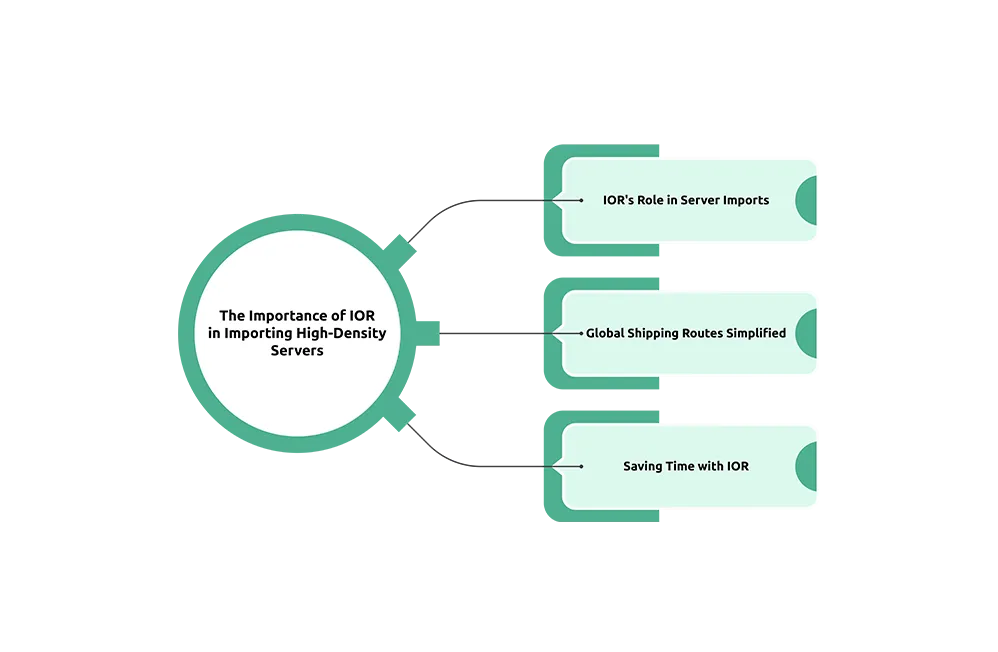
One Union Solution’s Role in Data Center Growth
As the interest in high-thickness servers and high-level IT gear keeps on rising, the intricacies of bringing in such a basic framework have additionally expanded. At One Union Solutions, we have practical experience in improving these difficulties for organizations, enabling them to focus on scaling their activities. Our far-reaching set-up of administrations, including Importer of Record (IOR), DDP conveyance, and Exporter of Record (EOR), guarantees a consistent import process customized to meet the special requirements of data centers.
Our expertise ensures full compliance with local regulations, certifications, and customs requirements across multiple regions. By managing duties, taxes, and documentation upfront, we eliminate delays and unexpected costs. This allows data center operators to deploy infrastructure faster and with greater confidence. Ultimately, our solutions help businesses achieve scalable, secure, and future-ready data center operations.
Conclusion
As the backbone of digital transformation, data centers are driving innovation and growth across industries. High-density servers and advanced IT infrastructure play a critical role in meeting the demands of modern technologies like AI, IoT, and cloud computing. In any case, bringing in this hardware requires exploring a labyrinth of guidelines, consistence principles, and calculated difficulties.
This is where Importer of Record (IOR) administrations become irreplaceable. By guaranteeing consistent, agreeable, and effective import processes, IOR administrations like those given by One Union Solutions enable organizations to focus on their center tasks without the pressure of overseeing worldwide exchange intricacies.
DID YOU KNOW
“Data centers account for about 1% of the world’s total electricity usage, with high-density servers often requiring specialized cooling systems to maintain efficiency.”
FAQs
Q1. Why is customs compliance critical when importing data center equipment?
Data center equipment, such as servers and networking hardware, is subject to strict import regulations. Proper customs compliance prevents shipment holds, penalties, and costly project delays.
Q2. How do IOR services reduce risks for cross-border data center projects?
IOR services assume legal responsibility for imports, ensuring accurate documentation, duty payments, and regulatory approvals, which helps eliminate compliance risks and clearance delays.
Q3. What advantages does DDP shipping offer for large-scale IT infrastructure imports?
DDP shipping provides full cost transparency by covering duties, taxes, and logistics upfront, enabling better budget control and predictable delivery timelines for data center projects.
Q4. Can One Union Solutions manage multi-country data center deployments?
Yes, One Union Solutions supports multi-country deployments by coordinating IOR, EOR, customs clearance, and logistics across multiple jurisdictions, ensuring consistency and compliance.
Q5. How does One Union Solutions help minimize downtime during data center expansion?
By ensuring timely delivery, accurate compliance, and seamless customs clearance, One Union Solutions helps data centers avoid delays and maintain uninterrupted operations during expansion.