Insight
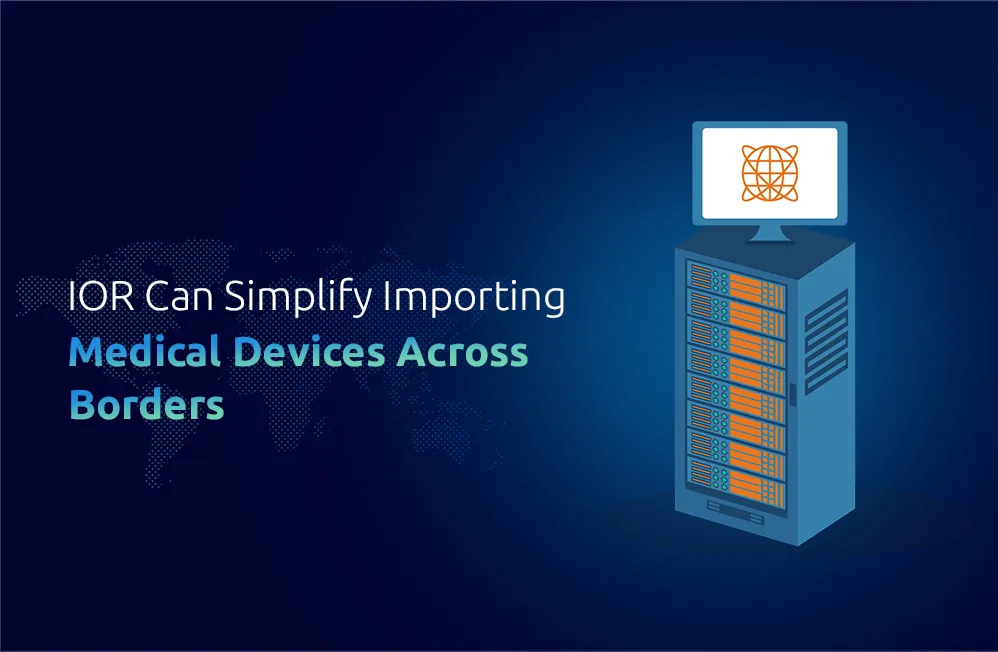
The global medical device market is rising and ever-evolving, providing essential healthcare equipment to countries worldwide. Yet navigating its complex web of trade barriers, regulatory requirements, and logistical hurdles can be an intimidating prospect for companies importing medical devices. Regulatory compliance and cross-border logistics can significantly slow down import processes.
As global healthcare demand continues to grow, businesses must adopt more efficient and compliant import strategies to stay competitive.
Understanding Trade Barriers in the Medical Device Industry
Various factors can pose obstacles, with trade barriers being among the most significant.
Many countries have import restrictions. Additionally, tariffs and duties can escalate costs, confusing pricing strategies for businesses.
Regulatory compliance further adds complexity, as each country enforces unique frameworks encompassing safety standards, labeling requirements, and certification processes. The intricacies of customs procedures & the associated paperwork often result in delays, increasing the burden on importers. Without adequate support, businesses risk facing delays, fines, and missed opportunities in the global medical device market.
These challenges make it essential for businesses to look for reliable support systems that can simplify international trade operations.
Importer of Record Involvement in International Trade
Importer of Record play an essential part in facilitating smooth medical device importation across borders. Their responsibility includes assuring that each shipment complies with regulatory and legal requirements in its destination country.
By acting as a single point of accountability, the IOR helps to streamline difficult import procedures and ensures compliance at every stage.
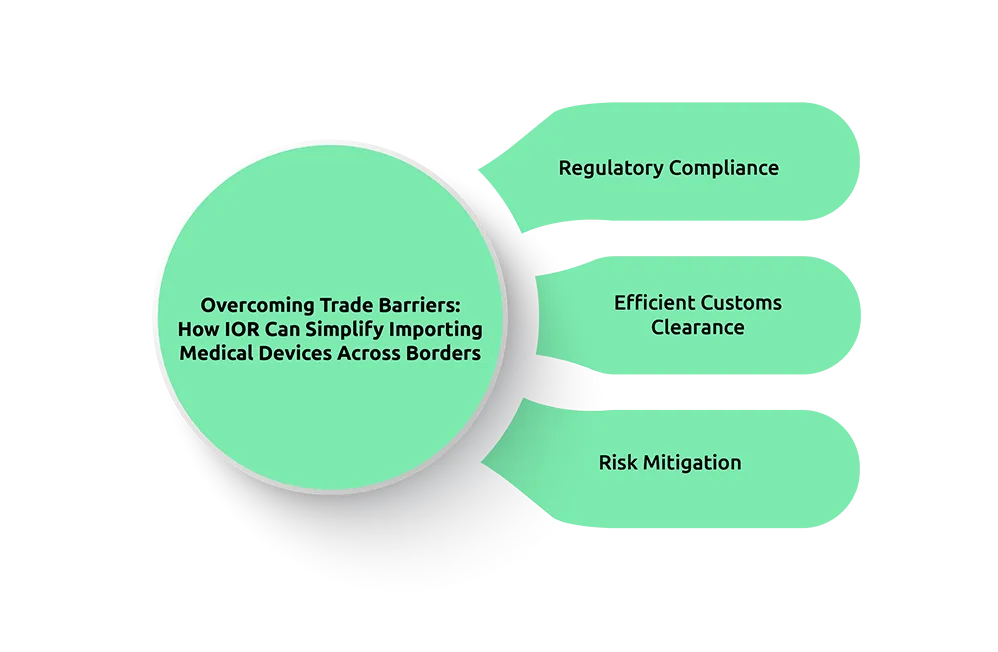
Customs Clearance: The IOR takes care of all customs paperwork. This includes declaring goods and paying tariffs. They make sure shipments pass through customs smoothly.
Compliance: The IOR ensures that medical devices comply with regulatory standards in the destined countries, such as certifications, approvals, and trials.
Duty and Tax Administration: The IOR must calculate, pay, and manage any duties, taxes, or fees for importing devices.
By taking on these tasks, the IOR helps businesses that import medical devices. This allows them to focus on their main work without worrying about complicated international trade rules.
Benefits of Using an IOR for Importing Medical Devices
There are several significant advantages of using an IOR when importing medical devices. Here are a few key benefits:
Simplifying Import Operations
IOR simplifies the import process. They handle all customs clearance and compliance for companies importing medical devices. This means businesses do not have to deal with complicated paperwork from customs authorities. As a result, importing is easier than ever.
Risk Mitigation
An IOR can help lower risks linked to compliance, customs clearance, and logistics delays. It ensures all rules are followed, and deliveries are managed well. This reduces fines, delays, and possible violations.
Simplified Compliance Process
Following the ever-evolving laws and standards can be challenging.This includes rules about certifications, packaging, and labeling. This helps reduce mistakes and penalties related to non-compliance.
Cost Savings
IOR services make import processes easier. They help reduce administrative costs and prevent expensive delays. Their tariff classification services can also save businesses money on duties and taxes.
Together, these benefits allow companies to improve efficiency while maintaining full compliance with international regulations.
Managing Regulatory Compliance with an IOR
Planning the regulatory landscape is one of the biggest challenges medical device importers face. Compliance requirements vary between countries and can rapidly shift over time, making it hard for businesses to remain up-to-date with developments.
This is where the expertise of an IOR becomes especially valuable in navigating constantly changing regulations.
An IOR ensures all necessary documentation is in place by local regulatory standards, including:
FDA Approval (for the USA): Medical devices entering the U.S. must first receive approval from the FDA before being sold commercially;
CE Marking (for EU): In Europe, medical devices must bear the CE mark to demonstrate compliance with European safety standards. IOR verifies whether CE-marked devices are ready for market entry.
Additional Certifications in Different Countries: Additional certifications may be necessary for devices being imported to certain countries, depending on their nature. In this regard, various countries have their own set of guidelines regarding what certifications may be necessary depending on what device or component is being imported.
IOR acts as an intermediary between manufacturers and the regulatory authorities of destination countries, ensuring all necessary certifications for medical devices arrive before arriving at their borders.
Well-Organised Logistics Can Overcome Trade Barriers
Logistics plays an essential role when it comes to importing medical devices. Shipping delays can derail timelines, increase costs, and compromise quality if devices are time or temperature-sensitive.
Efficient logistics planning is necessary to ensure that sensitive medical equipment maintains its quality throughout transit.
An efficient logistics system ensures medical devices arrive on schedule and in good condition. IOR works closely with reliable logistics partners to monitor transport logistics, track shipments accurately, and facilitate customs clearance efficiently for faster supply chain processing times.
Choosing the Right IOR Partner
Choosing an (IOR) partner is key for a smooth import process for medical devices. Select an IOR with a background in managing medical device imports. They will know the regulatory requirements and customs procedures for your products. A knowledgeable partner can significantly reduce operational complexity and improve overall import efficiency. A good IOR should also have a strong global network. This network should include logistics partners and experts in international trade regulations.
Your ideal IOR partner should offer solutions that fit your business needs. They should understand the type of medical devices you are importing.
An experienced IOR partner can offer high-quality service at an economical cost, making international trade simpler for you. By selecting an effective IOR provider, delays, risks, and compliance issues will all be reduced throughout the importation process.
Conclusion
Importing medical devices across borders needn’t be a difficult process. By tapping into the power of an IOR, businesses can streamline the importation process, reduce risks, and comply with local laws more easily. With the right approach and expert support, businesses can overcome trade barriers and ensure the timely delivery of critical healthcare equipment worldwide. At One Union Solutions we offer Importer of Record services. These services help companies cross trade barriers easily. We simplify customs clearance, regulatory compliance, & logistics management for our clients. By teaming with an experienced IOR partner like ourselves, businesses can save time, reduce costs and focus on providing life-saving medical devices to those in need.
FAQs
What Is an Importer of Record?
Ans: An IOR is a legal entity responsible for assuring imported goods comply with all relevant regulatory and customs requirements, including paying any relevant duties and taxes on time.
Can I import medical devices without requiring an IOR?
Ans: No! An IOR is important in providing medical devices that comply with international regulations, certifications, and customs procedures when entering foreign markets.
How does an IOR assist in meeting regulatory compliance?
Ans: An IOR will ensure that your medical devices comply with all regulatory requirements in their destination country, such as certifications, safety standards, and any local laws or requirements.
What are the risks associated with failing to use an IOR for medical device imports?
Ans: Without an IOR, you risk delays, fines, and noncompliance with regulatory standards, which could result in rejected shipments or penalties.
How can I select an IOR service provider?
Ans: Look for an IOR that has experience and expertise in the medical device industry, along with a strong reputation and reliable logistics partners. Additionally, seek one offering customized services tailored specifically for you and your requirements.