Insight
Megaports and airports in the international market are very important in international trade. Singapore, Rotterdam, and Jebel Ali have ports that deal with enormous cargo on their daily schedule, connecting continents and making it easy to transport goods needed by people. Airports are also another entry point to time-sensitive equipment (e.g., aviation parts, IT hardware, and medical equipment) that need to be transported using fast and reliable air freight.
Nevertheless, these crucial locations are frequently congested, with regulatory complications, as well as environmental issues. The extreme weather and sea level increases, which pose pressure on operations in ports and airports, are a result of climate change, prompting the industry to adopt sustainable practices.
The following blog is dedicated to understanding these challenges and exploring intelligent solutions to reduce the time of importation and exportation. It highlights the role of utilizing technology, supply chain optimization, and collaboration with specialists in ensuring efficient, compliant, and environmentally friendly deliveries on a high-value, global basis, from port to port.
Why Do Import-Export Delays Happen?
The majority of delays are preconditioned by several repeated causes that include: errors in the paperwork at the customs, traffic jams at the ports, and changing rules that are hard to follow. Even the most excellent plans may meet roadblocks in the form of incomplete documents or those documents that are full of errors. Delays can be enhanced by things like transport strikes or unexpected changes in the rules. This is particularly very dangerous in the case of delicate or very costly machinery that must be delivered quickly and precisely.
The current trade flows are more active today. Recent research shows that the imports in India have been growing at a rate of 16.7 percent in September of 2025, which has highlighted the pressure that high levels of trade may have on the workings of customs and ports. The understanding of such pressures will ensure that one is ready and minimize possible delays.
Using Technology to Clear Customs Faster
Custom offices are now very technologically oriented. The system is facilitated using digital tools like Electronic Data Interchange (EDI), which eliminates the need for mountains of paperwork by uploading documents in real-time, thereby accelerating customs approval.
The use of blockchain technology is also increasing, which makes shipment records transparent and end-to-end secure. The automation assists in identifying mistakes or paperwork omissions at the initial stages. This implies that there are reduced surprises at the border upon the shipment. Light, speedy clearance of goods at the port is a significant benefit in delivering time-sensitive equipment with confidence.
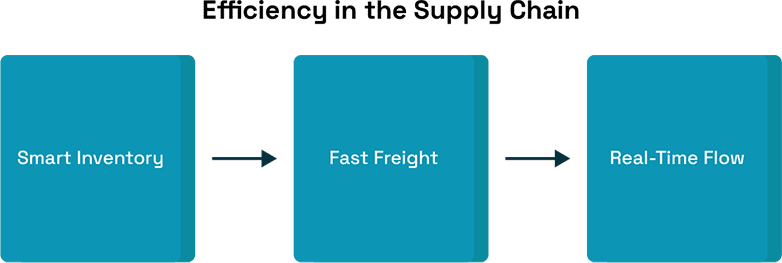
Efficiency in the Supply Chain
An effective supply chain will manage to recognize problems even before they turn out to be costly holdups. A smart inventory system is used to monitor shipments and real stock levels in real-time. The logistics software assists in streamlining routes, schedules, and warehouse logistics, which allows cargo to flow freely between ports. The transport providers should have communication with the warehouse teams.
The new type of warehouse management system (WMS) is used to optimize the overall workflow, reduce the number of human errors, and enable the accurate management of multidimensional inventory, including aircraft components or medical equipment. By focusing on these tools and processes, it is possible to avoid the formation of bottlenecks, thereby making air freight shipping as fast and reliable as possible.
Partnering with Trusted Freight and Customs Experts
Shipping isn’t a solo act. The distinction is in the presence of a good freight forwarder and a qualified customs broker. They are the people who are well informed by these rules and regulations and work hand in hand with the authorities to make sure that your cargo is shipped hassle-free. Such professional consultation is particularly significant when the customer uses the services of Delivery Duty Paid (DDP) shipping; in this case, all the duties and taxes will be made at the first level, and the delivery will be considerably quicker.
Preparing Your Papers Ahead of Time
The friend of paperwork is good in every way, as far as avoiding delays is concerned. Check your invoices, certificates, and licenses twice, and then your shipment is on its way. Understanding who the Importer of record (IOR) and the Exporter of record (EOR) is will ensure that you are not caught at the border due to legal technicalities. Having the right documents at hand can make a difference in possible wait times for a fast pass.
Planning for the Unexpected
Despite the most optimum plans, things may go wrong. Strikes, weather, or political problems that result in delays should be dealt with by intelligent backup plans. The availability of other routes, emergency contacts, and facilities that provide white glove service to delicate cargo also contributes to the safety of your shipment. These precautions ensure the safety of your investment and keep the projects on schedule.
Market Insight
Research from 2024 highlights a growing use of digital warehousing & automated freight forwarding tools. This trend helps overcome challenges caused by complex regulations and busy ports. Countries investing in these smart logistics solutions gain a clear competitive edge, thereby boosting the global flow of sensitive equipment, including IT gear and medical devices.
Conclusion
Minimizing delays in shipping high-value equipment demands smart preparation and modern tools. Accurate volumetric weight calculation, seamless customs coordination with IOR and EOR roles, tech-driven freight forwarding, and expert warehousing all play a part.
At One Union Solutions, we make all these things into place, whether it is DDP shipping or white glove delivery, so you can be sure that your aviation, IT, automotive, and healthcare equipment will be delivered to its destination safely and on time. You can be assured of a smooth international delivery process, as our experience ensures that your business will be successful on an international scale.
Did You Know,
Research indicates that more than 70% of delays in import-export activities can be attributed to errors in completing paperwork or slow customs clearance processes. With the help of digital tracking and smarter clearance, most airports have reduced customs waiting times by nearly half, enabling industries such as aviation and medical to access essential equipment more quickly anywhere in the world.
FAQ’s
What usually causes import-export delays?
Most delays result from mistakes in paperwork, congested ports, and changing regulations.
How does technology help clear customs faster?
Digital tools accelerate document processing and help identify compliance issues before they lead to delays.
Why is working with a freight forwarder important?
Freight forwarder coordinate regulations and customs, making shipment clearance quicker and easier.
What is the benefit of supply chain management systems?
They track inventory and plan routes to avoid bottlenecks and delays.
How does DDP shipping reduce delays?
DDP means all taxes and duties are prepaid, so shipments clear customs without extra hold-ups.