Insight
Import-export is a very significant industry in the global economy, and there are certain limitations, including documentation challenges, that it tends to encounter very frequently. Such cross-border trade documentation is also costly, time-consuming, and costly invoices & custom declarations, bills of lading, certificates of origin title. However, what could be further achieved to simplify the procedure and make it shorter, more transparent, and harmless? This is where blockchain does. The new technology is already beginning to transform the way the import-export business transacts on documentation, and global trade is bound to be faster, more dependable, and a great deal more transparent with this new technology.
What is Blockchain?
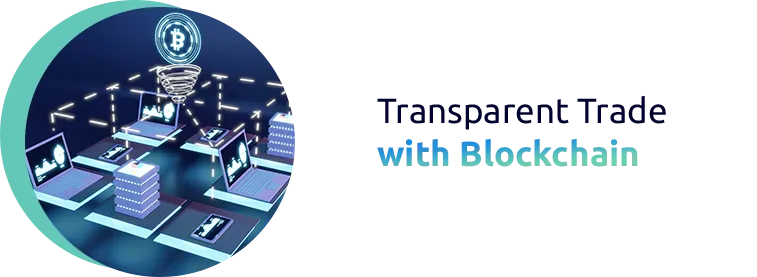
Blockchain is a decentralized digital ledger technology in which a distributed network of computers records transactions. After a transaction is documented, it becomes a part of a blockchain of transactions, and there is no way to manipulate information even in the past. That is why blockchain is exceptionally secure, transparent, & trustworthy, greatly contributing to making it a breakthrough in the import-export domain. When used in trade documentation, blockchain can facilitate the information flow and minimize the necessity to employ the involvement of multiple different agents, such as banks, customs agencies, freight forwarding corporations, and others. It produces one clear transaction that everyone can see and confirm on both sides of the deal, with less hassle when individuals try to find and confirm transactions as they occur.
How Blockchain is Changing Import-Export Documentation
Increased Transparency
The outstanding aspect of blockchain technology is that it offers transparency. In contrast to traditional systems, where the flow of paperwork changes hands several times, blockchain provides one immutable ledger where all involved parties have access to it. Any exporter, importer, customs agent, or bank can curb the course of a transaction so that nobody can cheat with the records. The above transparency will decrease the risks of fraud and any probability of errors or arguments; the entire process will be easier and more reliable.
Faster Transactions
Traditionally, verifying & processing documents in international trade may take much time, and paperwork undergoes approval from various hands. Blockchain accelerates this process in that it enables updated information in real-time. That implies fewer delays and a faster turnaround of shipments. For example, using blockchain, verification of customs declaration, taking of payment, and clearance of goods can occur nearly instantly, which is extremely beneficial in minimizing the time that simple transport of goods across borders takes.
Smart Contracts Automation
The possibility of using smart contracts is one of the most thrilling functions of blockchain. They are self-enforcing contracts in which conditions are coded into contracts and automatically triggered upon the satisfaction of certain set conditions. Suppose that a shipping container is delivered to its destination point. When the money is received, or payment of customs duty is made, the smart contract Springboard goes to the next stage by presenting a bill of lading or paying the supplier. Such a level of automation minimizes the chances of manual interference that, in addition to making transactions quicker, also removes the chances of human error.
Security and Integrity of Documents
In any import-export company, false documents are the most important point. Blockchain makes all documents, including invoices, bills of lading, customs declarations, secure and tamper-free. Each transaction is added to the blockchain in an encoded manner, and it cannot be modified after it has been added to the blockchain. It guarantees that the documentation you depend on regarding your business is legitimate & safe. Using blockchain, you do not have to fear that someone will falsify some documents or alter any information, as is the case with other systems.
Better Compliance and Less Fraud
Regarding international trade, it is essential to follow the rules. Blockchain assists in delivering all documentation, provided that all steps in the transaction process are publicly recorded. With the availability of the immutable, novel, and verifiable ledger, customs agents, banks, and other stakeholders can always easily verify whether they have the required documents and whether all that is transacted is within the local and international laws. Not only does this minimize the chances of non-compliance, but it also increases the difficulty of fraudulent activity going undetected.

The Future of Blockchain in Import-Export
In the future, the use of blockchain in import-export documentation will increase. As the technology is increasingly widespread and more platforms are created, it can be expected that we will witness a more globalized, unified blockchain ecosystem used to record trade documents. It may imply that businesses are not obliged to use various and, more likely, incompatible systems to exchange information. Rather, cross-border trade can be made smoother, faster, and more secure with a single blockchain. The blockchain could also have an impact on sustainability due to its transparency. The ability to monitor the passage of commodities in a clear, irreversible registry allows companies to be certain that their supply is ethical and environmentally friendly. It can be a big plus to companies struggling to comply with the consumer demand of conducting more sustainable business.
Conclusion
Blockchain technology is changing how import and export documents are handled. It makes international trade more transparent, faster, and secure by using smart contracts to automate transactions. As companies and governments start adopting blockchain, global trade is becoming quicker, cheaper, and more reliable, paving the way for a major transformation in the industry.
Did You Know,
Blockchain technology can potentially cut the expenses of trading globally by as much as 15%. Such a cut would be revolutionary, and international trade would be more swift, efficient, and less costly to businesses worldwide.
FAQ’s
How does blockchain improve transparency in international trade?
Blockchain provides a single, unchangeable ledger that all parties can access. This ensures full visibility of transactions and reduces errors or fraud.
Can blockchain automate import-export transactions?
Yes. Smart contracts allow transactions to happen automatically when specific conditions are met, without manual intervention.
How does blockchain enhance the security of trade documents?
Blockchain encrypts all transaction data, making it nearly impossible to alter. This ensures that all records are secure and legally valid.
How does blockchain help prevent fraud in international trade?
Blockchain makes document forgery and other fraudulent activities very difficult by providing transparent and tamper-proof records of all transactions.
How widely is blockchain used in trade today?
Blockchain is still in the early stages of adoption, but its use is growing. Pilot projects in different countries show that it can improve import-export processes significantly.