
Modern global trade depends heavily on strong transport networks and digital systems. Well-connected ports, airports, highways, and warehousing services create the foundation for efficient cross-border commerce. Advanced multimodal transport links reduce delays, enhance customs clearance efficiency, and support end-to-end freight forwarding services for industries such as automotive, IT, aviation, and medical equipment. With businesses increasingly adopting DDP shipping, importer of record solutions, and global trade compliance practices, optimized infrastructure ensures predictable delivery timelines and lowers operational risks. In addition, tools like the harmonized system code (HS Code), HTS tariff classifications, and digital AEO-backed customs processes accelerate clearance and support sustainable trade flows. As global supply chains expand, strong infrastructure remains the backbone of resilient, cost-efficient, and future-ready international logistics.
The Role of Logistics in International Trade
Logistics work as the connecting link between producers and consumers across borders. From customs clearance support to international shipping solutions, logistics confirms the smooth movement of goods. Businesses frequently depend on importer of record services and exporter of record services to meet agreement requirements while minimizing risks. The use of Incoterms, such as DAP, DAPs, and Delivered Duty Paid logistics (DDP shipping), helps traders clearly define responsibilities and costs. By using special services such as DDP service and export customs brokerage, organizations can reduce delays, achieve cost efficiency, and expand market entry globally.
The Role of Infrastructure in International Trade
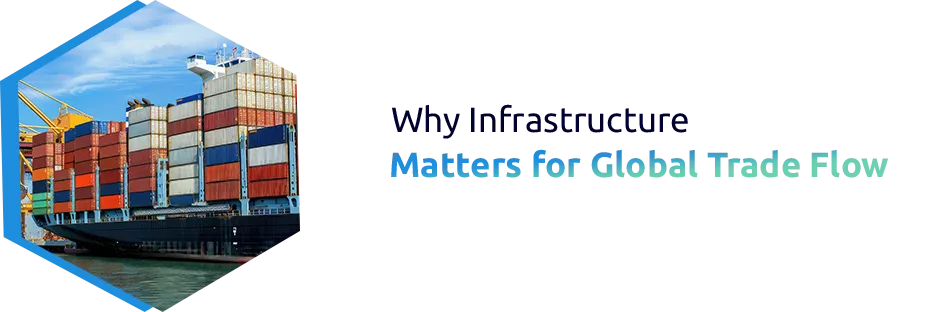
Effective infrastructure is necessary to support trade logistics and agreements. Ports equipped with advanced cargo handling systems, airports with strong air freight connectivity, and highways that connect industrial hubs directly to the entrance reduce time and costs. Infrastructure also plays a major role in global supply chain services, allowing better handling of bulk shipments and sensitive goods supported by tools such as the harmonized system code (HS Code) and HTS harmonized tariff, which ensures consistency across regions. Also, trade guidelines such as the Generalized System of Preferences further promote entry to developing trade, making infrastructure development a vital allow of balanced global trade.
Enhancing International Trade Through Smart Warehousing and In-Transit Visibility
As global supply chains grow more complex, companies are placing greater focus on warehouse solutions and advanced in-transit visibility systems to maintain efficiency. Smart storage and warehousing services—supported by IoT-based monitoring, AI-powered demand forecasting tools, and automated warehouse management services—enable businesses to track goods from origin to destination with complete accuracy. This is especially critical for high-value sectors such as telecommunications, where a strong telco supply chain strategy and optimized MRO supply chain are essential for uptime and service reliability. Using integrated freight forwarding services, trade compliance checks, and third-party logistics providers, businesses can streamline ecommerce international shipping, improve responsiveness, and minimise disruptions. Such advanced warehouse and logistics practices not only strengthen operational control but also improve overall supply chain resilience.
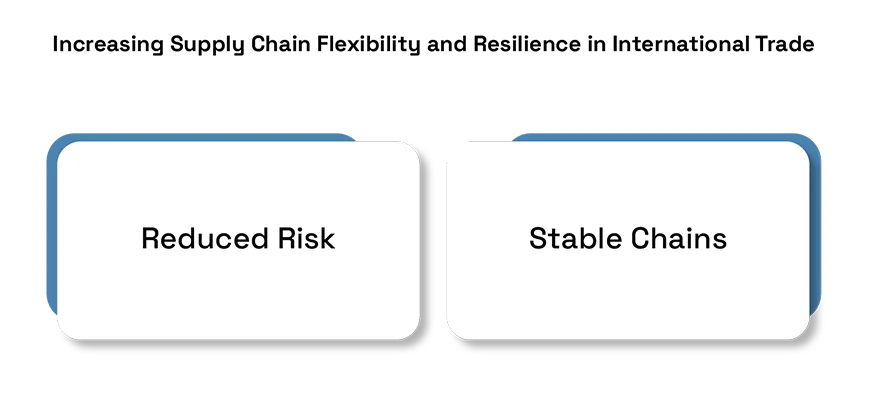
Increasing Supply Chain Flexibility and Resilience in International Trade
The COVID-19 pandemic shows the importance of resilient supply chains. Modern infrastructure, combined with freight forwarding services and live tracking systems, helps organizations adapt quickly to supply. For example, customs brokerage and comprehensive import-export support allow organizations to guide difficult international export regulations effectively. Also, well-planned infrastructure reduces problems and increases trade logistics and agreements, confirming that supply chains remain stable. Organizations that accept flexible shipping methods such as DDP shipping and use global supply chain services can build resilience while reducing risk exposure.
Future Development Trends in Logistics and Infrastructure for Global Trade
The future of global trade will be changed by modern logistics hubs, digital customs sources, and sustainable infrastructure. Combinations of AI, blockchain, and IoT will simplify customs clearance support and international shipping solutions. More countries are aligning their guidelines with global Incoterms and strengthening frameworks for export customs brokerage to improve efficiency. Infrastructure investment will focus on green corridors, digital tracking, and integrated multimodal systems to support global trade facilitation. Businesses will increasingly depend on Delivered Duty Paid logistics, importer of record services, and exporter of record services to confirm agreement while expanding across borders.
Conclusion
Infrastructure development is not only about building roads, ports, or airports. It is about making global trade faster, smoother, and more sustainable. When strong infrastructure is combined with services like customs brokerage, freight forwarding, and complete import-export support, businesses can handle trade rules easily and access new markets. Tools such as HS Codes, HTS tariffs, and systems like the Generalized System of Preferences help create consistency in global trade, while Delivery Duty Paid (DDP) services give clear costs and reduce risk. Continued investment in logistics and infrastructure will strengthen supply chains and support long-term economic growth worldwide.
DID YOU KNOW?
Maritime India Vision 2030 aims to increase the port’s capacity from 1,600 MMTPA to 3,000 million metric tonnes per annum (MMTPA) by 2030. India ranks as the sixteenth largest maritime trade nation, boasting 7,500 km coastline, 12 major ports, and about 200 non-trade ports.
FAQs
Q1: Why is infrastructure important for global trade logistics?
Infrastructure such as ports, airports, roads, railways, and digital systems helps goods move smoothly across borders. Strong infrastructure reduces delays, cuts costs, and supports faster international trade.
Q2: How do logistics services support international trade?
Logistics services like freight forwarding, customs brokerage, Importer of Record (IOR), and Exporter of Record (EOR) help businesses follow regulations and move goods efficiently between countries.
Q3: What role do Incoterms like DAP and DDP play in trade?
Incoterms such as DAP (Delivered at Place) and DDP (Delivered Duty Paid) clearly explain who is responsible for shipping, customs duties, and delivery. This reduces risk and avoids confusion between buyers and sellers.
Q4: How do HS Codes and HTS tariffs support global trade?
HS Codes and HTS tariffs classify products in a standard way. This helps customs authorities apply the correct duties and allows faster and smoother clearance worldwide.
Q5: What future trends will shape logistics and infrastructure in global trade?
Key trends include digital customs systems, AI-based shipment tracking, blockchain for trade records, greener transport routes, and investments in sustainable infrastructure to support long-term trade growth.