Insight
In the fast-paced aviation enterprise, delays may be highly priced. Reduced lead instances for aviation equipment are important to maintaining operational performance, assembly regulatory needs, and minimizing downtime for aircraft. Accomplishing this calls for a robust delivery chain approach.
Reducing lead times in the aviation sector demands advanced aviation supply chain management solutions that integrate technology, major sourcing, and logistics expertise. By simplifying aviation supply chain finance and adopting predictive analytics, live tracking, and on-time inventory practices, businesses can significantly minimize Aircraft on Ground (AOG) scenarios and working downtime. These aviation efficiency solutions not only accelerate procurement and delivery processes but also improve agreement, cost control, and customer satisfaction. With the right partners and digital tools, aviation companies can maintain optimal fleet readiness and stay competitive in a fast-paced global trade.
This article explores how effective supply chain solutions can substantially lessen lead instances for aviation gadgets, with actionable guidelines and the latest industry insights to keep your operations soaring smoothly.
Why lowering Lead times is vital in Aviation
Reducing lead instances in aviation is important because of its tremendous effect on operational performance, safety, and competitiveness. Operational downtime, particularly in Aircraft on Ground (AOG) situations, can cost airlines up to $150,000 per day, highlighting the critical importance of timely access to aviation parts to minimize losses. Faster lead instances also ensure compliance with safety rules and airworthiness requirements by imparting quicker entry to necessary parts and gadgets, thereby maintaining the safety and reliability of operations.
Shorter lead times allow faster operations, which gives companies a competitive advantage in an industry where speed & reliability matter most. By reducing lead times, aviation companies can improve operational stability, increase customer satisfaction, & strengthen their position in the market.

Key techniques to lessen Lead instances in Aviation Supply Chains
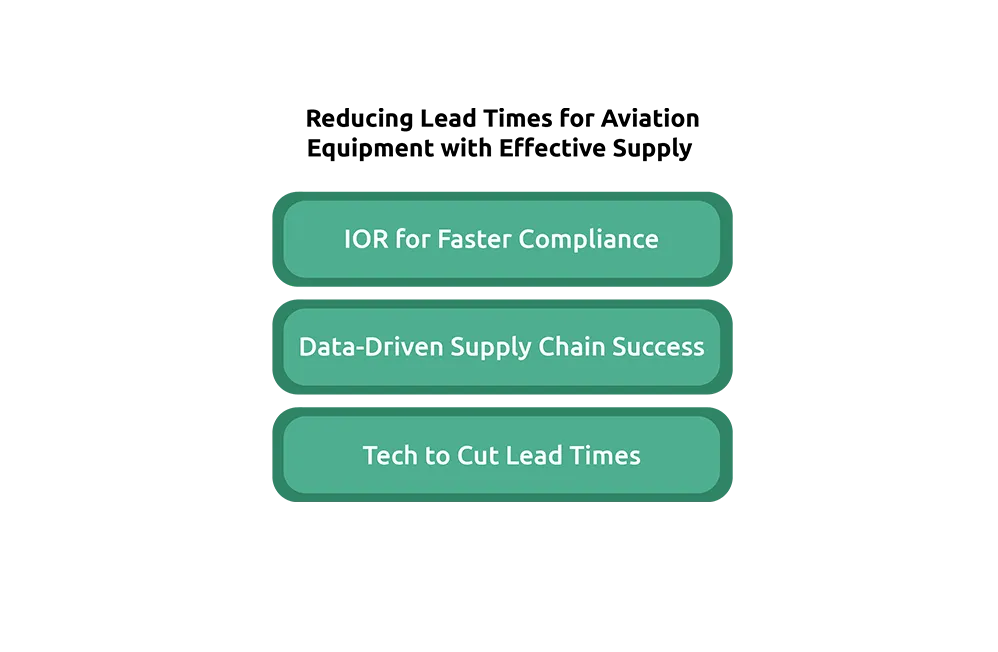
Reducing lead times in the aviation supply chain requires superior equipment, strategic partnerships, and optimized techniques. Enforcing the call for forecasting tools powered via predictive analytics facilitates anticipating the need for a unique aviation system and aligning production schedules and inventory to prevent shortages. Digital supply chain technologies, such as blockchain for transparency, IoT sensors for real-time cargo monitoring, and automated structures for procurement, streamline operations and speed up order fulfilment. Partnering with reliable suppliers who preserve local inventory points guarantees prompt transport of certified aviation equipment. Optimizing stock through simply-in-time (JIT) systems and advanced software maintains essential stock stages without overstocking. Additionally, streamlining customs and compliance through working with skilled custom brokers and using electronic customs submitting systems minimizes delays, ensuring green border clearance. Collectively, those techniques pressure performance and decrease lead times in this fast-paced industry.
The function of technology in Shortening Lead instances
Era is vital in shortening lead times in aviation supply chains by improving efficiency and decision-making. Predictive analytics enables proactive planning by figuring out potential bottlenecks before they occur, including forecasting climate disruptions on delivery routes and adjusting timelines accordingly. Warehouse automation, powered by robot structures, substantially reduces selecting and packing times, leading to faster dispatch and improved order achievement, with some aviation companies reporting a forty growth in performance. Real-time tracking systems using GPS-enabled technologies offer regular updates on cargo places, lowering uncertainties and ensuring accurate delivery timelines. Collectively, these technological advancements streamline operations, reduce delays, and enhance the overall performance of the average supply chain.
Benefits of reduced Lead instances
Reducing lead instances in aviation supply chains offers big benefits that impact operational efficiency and business success. Cost financial savings are achieved by minimizing aircraft on ground (AOG) expenses and decreasing operational downtime, ensuring assets are used more efficiently. Progressed fleet readiness keeps the plane operational and compliant, supporting uninterrupted services. Superior customer pleasure comes from meeting tight timelines, fostering acceptance as true with and reliability in your operations. Moreover, quicker lead times provide a competitive part, allowing businesses to reply fast to market demands and enhance their market role. Together, these advantages force growth and long-term success within the aviation enterprise.
Conclusion
One Union Solutions is a trusted accomplice in addressing complex supply chain-demanding situations. Their understanding of supply chain optimization, compliance management, and tailored logistics solutions ensures faster lead times and operational excellence. By leveraging their superior equipment and enterprise insights, businesses can conquer bottlenecks, enhance efficiency, and preserve a continuing go with the flow of the aviation system. We empower businesses to stay in advance in a quick-paced marketplace while specializing in the core operations. Let our knowledge raise your aviation supply chain to the next level.
Did you recognize,
The worldwide aviation MRO (protection, repair, and Overhaul) market is expected to reach $eighty billion by 2030, emphasizing the need for efficient supply chains.
FAQs
Q1: What are lead times in aviation supply chains?
Ans: Lead times refer to the total time taken from placing an order for aviation equipment to receiving it. This includes procurement, manufacturing, shipping, and customs clearance.
Q2: How can predictive analytics help reduce lead times?
Ans: Predictive analytics uses past and real-time data to forecast demand, identify supply chain delays, and optimize delivery routes, helping shipments arrive faster.
Q3: Are there tax implications when reducing lead times?
Ans: Faster customs clearance may require advance payment of duties and taxes. However, with proper planning, businesses can manage and reduce the financial impact.
Q4: How does inventory optimization reduce lead times?
Ans: Maintaining the right level of inventory ensures critical parts are available when needed, reducing delays caused by stock shortages.
Q5: How can One Union Solutions help reduce lead times?
Ans: One Union Solutions offers end-to-end supply chain management for aviation equipment, enabling faster procurement, smoother customs clearance, and timely delivery.