Executive Summary
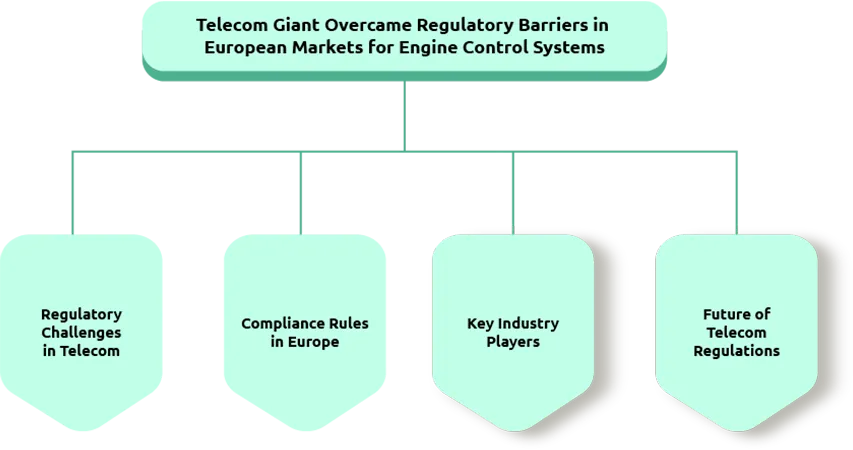
Differences in regulations between countries caused a major telecom company to have a lot of trouble getting engine control systems into European markets on time. The timely installation and use of essential telecom infrastructure were threatened by these regulatory hurdles.
In the telecom industry, regulatory regulations are not just about meeting legal rules; they directly affect how fast infrastructure projects can move ahead. Engine control systems are important for maintaining networks stable, reliable, and run smoothly. If there are delays in importing or approving these systems, telecom services and customer connectivity can be affected. Non-compliance can also result in shipment rejections, fines, or extra inspections. This increases both costs and project risks. Because of this, the situation needed quick action and a clear, well-planned compliance strategy.

The Challenge
The telecom company was entering a crucial stage in the rollout of advanced engine control systems in several European markets. To keep their telecom networks working well and reliably, these systems were necessary. Nevertheless, the process of importing was greatly slowed down by the numerous and varied rules and regulations in various European countries. A lot of delays and higher costs happened because each country had its own rules and procedures for approving engine control systems. For the telecommunications company to meet its operational and project deadlines, it needed a way to get around these complicated regulatory issues and speed up the importation process.
The Solution
One Union Solutions, which is known for its regulatory compliance and importation services, was hired to deal with this important issue. The approach had many parts, and the main ones were as follows:
Regulation and Compliance Mapping: One Union Solutions carefully looked at the rules that apply to engine control systems in all of the European countries they were interested in. They made a list of the exact rules and certification processes that had to be followed.
This clear planning helped remove confusion and avoided repeating the same documents. By understanding each country’s specific requirements in advance, the company prepared the right documents from the start and reduced unnecessary communication with authorities.
Unified Certification Process: One Union Solutions created a unified certification strategy by using its large network and years of experience. This method sped up the approval process by making sure that the telecom giant’s engine control systems met the strictest standards. This made sure that they would work in all countries.
By meeting the highest regulatory standards from the start, the company avoided repeated testing and product changes. This saved time and money and allowed the products to enter different markets smoothly.
Proactive Communication with Regulatory Bodies: One Union Solutions set up ways for local regulatory authorities to talk to them before they needed to. They were able to speed up the review and approval processes by building these relationships, which cut down on the time normally needed for certification.
This early and clear communication helped identify and solve possible compliance issues in advance. Because of this, approvals were faster and unexpected problems were avoided.
Complete Documentation: One Union Solutions provided complete documentation to ensure ongoing compliance and make operations run more smoothly. This helped the telecom giant’s internal teams understand and follow the rules set by regulators.
Properly organized documents also helped create a clear internal compliance system. This made future imports simpler and ensured that all teams followed the same rules and procedures every time.
Support and monitoring in real-time: One Union Solutions provided support and monitoring in real-time during the importation process. This made sure that any new problems were dealt with right away, which avoided any possible delays and made sure that the importation process went smoothly.
Real-time tracking and regular updates helped quickly find any delays or issues. Fast action was taken to solve problems, making sure the shipments moved smoothly and customs clearance was completed without delays.
Business Impact and Long-Term Success
Because of these efforts, the telecom company was able to get around the rules that were getting in the way of their business. The engine control systems were brought in without any delays, which made sure that important telecom infrastructure could be set up on time. The strategic approach taken by One Union Solutions not only solved the immediate problem but also set up a strong framework for future compliance and importation activities. This will help the telecom giant’s long-term success in European markets.
As a result, the company improved its operations, reduced approval time, and achieved better coordination across its European projects. The clear and organized compliance system created during this project now works as a long-term regulatory guide for future expansion plans. By developing a strong regulatory base, the telecom company was able to grow its operations confidently in different countries while staying fully compliant with local laws. This example shows how expert regulatory support can turn complicated import challenges into smooth and successful market entry strategies.
Did you know?
Did you know that early engagement with regulatory authorities can reduce approval time by weeks or even months? Many companies now follow pre-compliance checks aligned with EU Product Compliance Framework to avoid costly delays and rework during importation.
FAQs
1. Why is regulatory compliance important when importing telecom equipment into Europe?
Regulatory compliance is important because each European country has specific rules related to safety, technical standards, and certifications. Without proper compliance, shipments can be delayed, rejected, or penalized, which can impact telecom network rollout and business operations.
2. What are the common regulatory challenges faced when entering multiple European markets?
Common challenges include different certification requirements, CE marking approvals, product testing standards, customs documentation procedures, and country-specific technical regulations. Managing these variations across multiple countries can be difficult and time-consuming.
3. How does a unified certification strategy help telecom companies?
A unified certification strategy ensures that products meet the highest regulatory standards from the beginning. This reduces the need for repeated testing, avoids duplication of paperwork, and speeds up approvals across multiple countries.
4. What risks can companies face without expert regulatory support?
Without expert guidance, companies may face shipment delays, customs holds, financial penalties, re-certification costs, project timeline disruptions, and potential damage to their reputation in new markets.
5. How does proactive communication with regulatory authorities improve the import process?
Proactive communication helps identify potential compliance issues early. It builds trust with authorities, shortens approval timelines, and reduces the chances of unexpected objections or delays during the certification process.