Overview
Medical air freight plays an important role in new healthcare logistics by allowing the fast transport of surgical tools and medical devices across borders. These shipments frequently require temperature sensitivity, strong managing requirements, and on-time delivery. Air freight, freight forwarders, exporters, and healthcare organizations must clearly know responsibility at every stage of the shipment. Packaging issues to customs clearance delays, even small problems can affect shipments and create economical or legal risk. Proper planning, supported by correct HS code categorization, Incoterms, and approval processes, helps reduce issues and protect all shipments.
What is the Liability of Medical Air Freight
Dependability in medical air freight shows the legal responsibility held by carriers, freight forwarders, and service providers if cargo is lost, damaged or delayed during logistics. Airlines mainly work under international air transport agreements that limit payment unless carelessness is validated during processes. This means shippers must clearly define responsibilities through Incoterms such as DAP or DAPs, which determine when risk ships from seller to buyer in global trade.
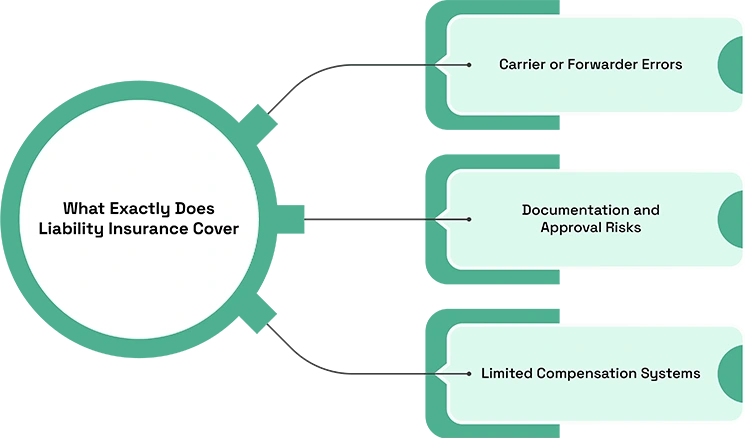
What Exactly Does Liability Insurance Cover?
Dependability insurance generally protects logistics providers rather than cargo owners. Coverage may include:
Carrier or Forwarder Errors
Mistakes in handling, documentation, or routing can lead to shipment delays or decline. Liability insurance helps cover claims growing from operational avoidance in shipments.
Documentation and Approval Risks
Incorrect HTS Harmonized Tariff Schedule categorizations or missing documentation can show customs penalties. Questions like can a freight forwarder be an exporter of record frequently arise when responsibilities are unclear, increasing exposure to dependability.
Limited Compensation Systems
Carrier dependability is usually calculated by weight rather than shipment value, which may not show the true cost of specialized medical equipment or biologics.
What is the Insurance of Medical Air Freight
Freight insurance is separate from liability coverage. While dependability insurance protects service providers, cargo insurance protects the shipment owner against economical loss in shipments. Medical shipments frequently ship under International freight services involving multiple handling points, making complete insurance necessary for air freight. Insurance programs are customized based on cargo value, packaging, route risk, and regulatory requirements.
How Much Does Freight Insurance Cost?
Insurance premiums change but are generally calculated as a small percentage of the cargo’s declared value. Factors changing cost include:
Shipment Value and Sensitivity
High-value medical devices or temperature-controlled medical shipments increase premiums due to higher risk.
Route and Regulatory Difficulty
Shipments moving through multiple officials may see additional inspections, requiring stronger approval controls and sometimes exporter of record services or importer of record service support.
Risk Management Methods
Organizations using best trade compliance software for import export rules and strong inventory and order management systems frequently benefit from reduced insurance costs because risks are better controlled in freight.
Key Liability and Risk Areas in Medical Air Freight
Medical air freight faces unique operational risks that extend beyond physical damage.
Temperature Excursions
Even brief exposure outside required temperature ranges can provide devices unusable. Liability disputes frequently arise when tracking responsibility is unclear within the supply chain optimization process.
Customs and Regulatory Delays
Incorrect HS code declarations or misunderstandings around the generalized system of preferences (GSP) can delay shipments at borders. Delays may lead to problems, creating disputes between shippers and logistics providers in global trade.
Documentation Responsibilities
Businesses frequently ask whether a customs broker manages both import and export documentation. While brokers can support, responsibility completely depends on agreements and Incoterms selection.

What Does Medical Air Freight Insurance Typically Cover During Shipments?
Medical air freight insurance is related to risks that standard carrier liability may not fully cover.
Loss or Damage
Protection against accidents, mishandling, or aircraft incidents affecting cargo condition.
Theft or Misplacement
Coverage applies if shipments are lost during transit hubs or transfers.
Delay-Related Losses
Certain guidelines compensate for losses caused by delays impacting time-critical medical goods.
Customs and logistics Risks
Insurance may extend to risks arising during customs clearance or regulatory inspections, specifically when international approval processes are required.
Conclusion
Insurance and liability management are necessary components of medical air freight operations. The high value and sensitivity of healthcare shipments demand clear allocation of responsibility, correct documentation, and strong approval systems. Understanding liability limits, choosing appropriate insurance coverage, and Incoterms such as DAP with operational methods help reduce disputes. Professional services providers, and effective supply chain optimization plans, organizations can hugely reduce economical problems.
DID YOU KNOW?
Depending on the insurance pathway, the economic benefits to healthcare are estimated to range from $9.3 billion to $10.9 billion annually.
FAQs:
1. Who pays for freight insurance?
Freight insurance is usually paid by the cargo owner, either the buyer or seller, depending on the agreed Incoterms. For example, under some delivery terms, the seller may arrange insurance, while in others the buyer takes responsibility once the risk reduces.
2. What is not covered by general liability insurance?
General liability insurance typically does not cover cargo loss, temperature damage, improper packaging by the shipper, regulatory penalties, or delays caused by customs authorities. Specialized freight or cargo insurance is required for shipment protection.
3. What is covered by freight policies?
Freight insurance policies generally cover physical loss or damage, theft, mishandling during shipments, and sometimes delay-related financial losses.
4. Do freight forwarders need insurance?
Yes, freight forwarders usually require liability insurance to protect against issues, documentation, or handling issues. However, this insurance protects the forwarder, not the cargo owner, so separate cargo insurance is still used.
5. Why is insurance important in medical air freight?
Medical shipments are valuable and frequently temperature-sensitive. Insurance helps protect against economical losses caused by damage, delays, or regulatory disruptions, confirming continuity in healthcare supply chains.